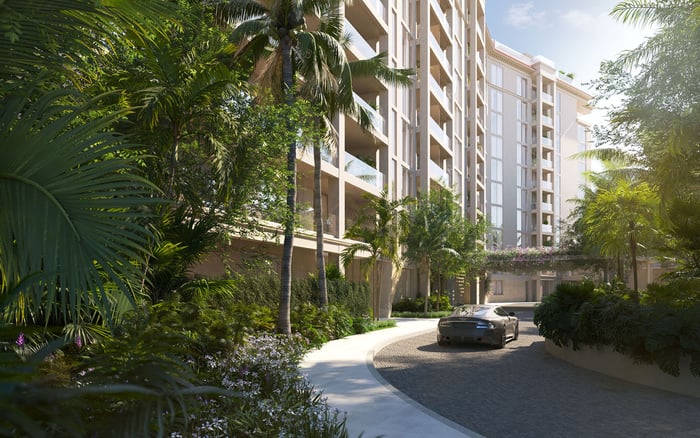
A buyer-focused comparison of Alana Bay Harbor Islands, Oceana Key Biscayne, and Villa Miami, emphasizing ownership structure, lifestyle orientation, and diligence priorities.
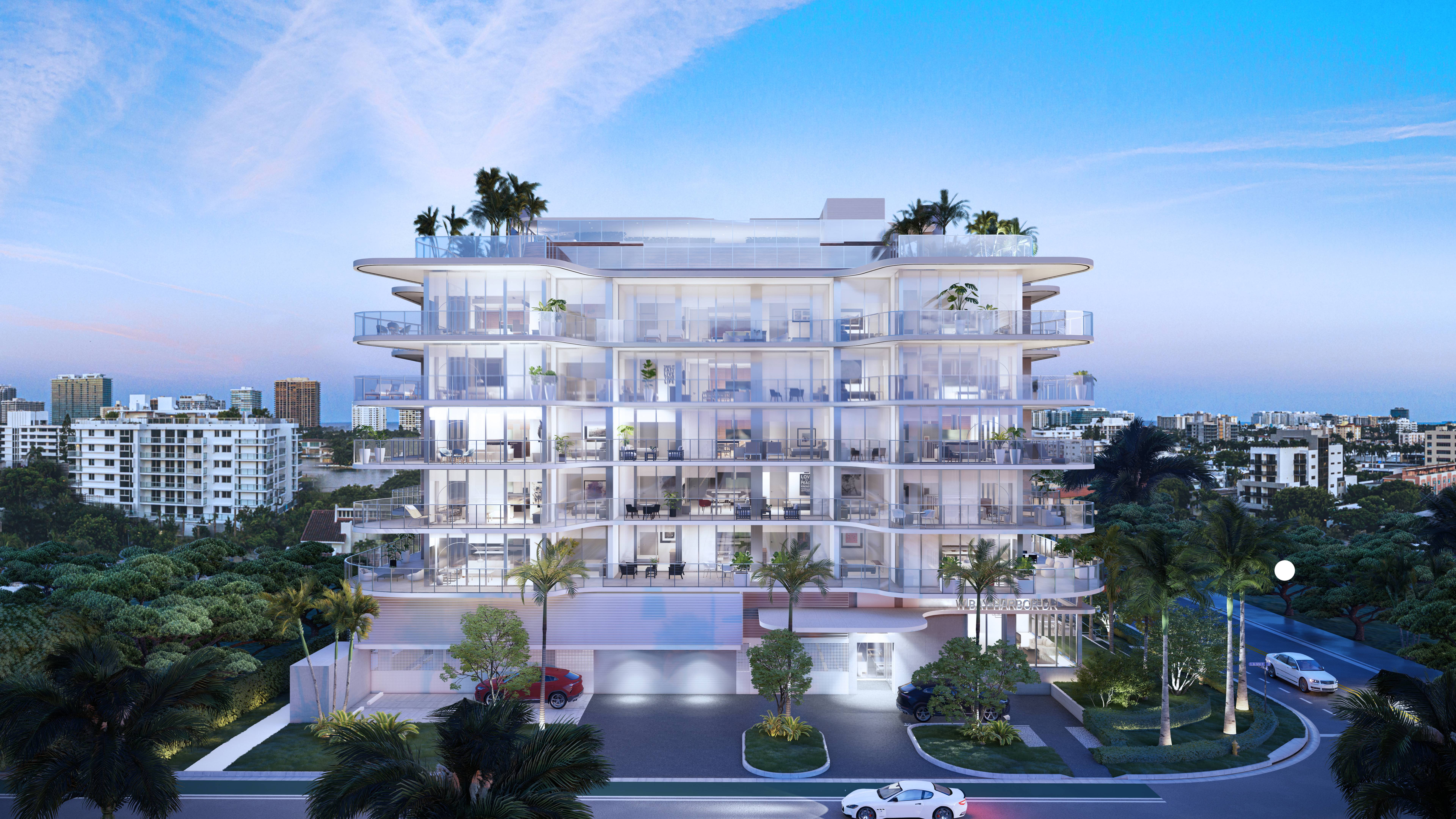
The most useful way to compare Alana Bay Harbor Islands, Oceana Key Biscayne, and Villa Miami is not to ask which is the most glamorous. Each carries a distinct ownership logic. One is boutique and low-scale, one is completed and beachfront, and one is branded, design-driven, and urban bayfront.
For affluent buyers, that distinction matters. The purchase decision is not only about views, finishes, or arrival sequence. It is about the timing of capital, the maturity of the condominium regime, the character of the association, and the lifestyle that can support long-term value. A buyer seeking a quieter island rhythm will not evaluate risk the same way as a buyer pursuing a completed beach residence or a new-construction position in the urban core.
That is why Alana Bay Harbor Islands, Oceana Key Biscayne, and Villa Miami should be read as three separate ownership archetypes rather than interchangeable luxury condominiums.
Alana Bay Harbor Islands is best understood as a boutique condominium ownership option in Bay Harbor Islands. Its appeal sits in a lower-scale, more intimate environment than the large resort towers that define other parts of the South Florida coastline. For some buyers, that intimacy is the point: fewer layers, a more residential pace, and an island setting that can feel walkable and discreet.
The ownership angle, however, is not simply aesthetic. Because Alana is framed as a boutique pre-construction purchase, diligence should begin with contract architecture. Deposit terms, delivery timing, amendment rights, and final condominium documents are central. Buyers should understand what is fixed, what remains subject to change, and how the completed association will operate once the building is delivered.
Pre-construction buyers often focus on potential upside, but at this level the more refined question is control. How much certainty exists around the finished product? How will costs be allocated? What will the governing documents allow, restrict, or require? In a smaller-building setting, association dynamics may feel more personal, but they can also make governance more immediate. The buyer who chooses Alana is likely prioritizing scale, privacy, and island calm while accepting the normal obligations of buying before completion.
Oceana Key Biscayne is the clearest completed beachfront proposition among the three. Its ownership profile centers on resort-style beachfront living in Key Biscayne, not pre-construction upside or delivery speculation. For buyers who want a direct beach-and-island lifestyle, this is the most straightforward fit.
Because Oceana Key Biscayne is already established, diligence shifts from construction timing to operational depth. A buyer should evaluate association finances, reserves, insurance, assessments, maintenance history, and resale patterns. The key question is less about what the developer will deliver and more about how the condominium performs as a living institution.
That can be a meaningful advantage for buyers who prefer evidence over projection. A completed condominium offers a more visible ownership record: how the building is maintained, how the association communicates, how expenses are managed, and how prior resales have been absorbed. In luxury beachfront ownership, those questions are not administrative details. They shape carrying costs, liquidity, and daily enjoyment.
Oceana also speaks to a different emotional buyer. The value proposition is not merely square footage or finishes. It is a completed resort-style beachfront environment within an island community. For the owner who wants to arrive, use, entertain, and live with fewer unknowns than a development-stage purchase, the mature regime is part of the attraction.
Villa Miami occupies the most urban position in this comparison. Set within Miami’s Edgewater and greater Downtown Miami context, Villa Miami is positioned as a branded, design-driven bayfront condominium. Its ownership logic combines new-construction upside with the risks typical of pre-construction contracts and delivery timelines.
That makes the buyer’s diligence twofold. First, the contract must be examined with the same care applied to any pre-construction acquisition: deposits, delivery assumptions, remedies, changes to plans, and final condominium documents. Second, the location thesis must be tested. Villa Miami’s value is tied partly to Edgewater and Downtown Miami neighborhood fundamentals, which means buyers are not only purchasing a residence. They are also taking a position on an urban bayfront district.
This is the clearest city-facing lifestyle play of the three. It will likely attract buyers who want bay views, design identity, and proximity to Miami’s center of gravity rather than a quieter island or beach-only setting. For that buyer, the branded nature of the condominium may add emotional and market appeal, but it does not eliminate delivery risk. It simply reframes the proposition around design, timing, and urban growth.
The three projects require different questions at the offer stage. With Alana Bay Harbor Islands, the emphasis is on boutique scale and pre-construction certainty. The buyer should understand how a smaller association will function and what the final documents will require.
With Oceana Key Biscayne, the central issue is not delivery. It is stewardship. A mature beachfront condominium should be reviewed through the lens of reserves, insurance, assessments, association governance, and resale history. The quality of the ownership experience rests on how the building has been managed over time.
With Villa Miami, the analysis turns toward branded new construction in an urban bayfront setting. The opportunity is partly tied to future completion and partly tied to Edgewater’s position within greater Downtown Miami. The diligence is therefore both contractual and neighborhood-based.
In simplified terms, Alana is about intimacy and timing, Oceana is about completed beachfront certainty, and Villa Miami is about design-led bayfront exposure. None is inherently superior. Each is designed for a different owner.
The Alana buyer may be someone who values a smaller residential environment and the quiet confidence of Bay Harbor Islands. They may accept pre-construction complexity because the end goal is a more intimate island condominium rather than a large amenity-driven tower.
The Oceana buyer is likely more focused on immediate lifestyle clarity. Beachfront access, resort-style living, and a completed ownership regime matter more than getting in early on a development timeline. This buyer wants to evaluate what already exists.
The Villa Miami buyer is typically drawn to city energy, bayfront design, and the momentum of the urban core. They may be comfortable with a pre-construction timeline if the brand, architecture, and Edgewater location align with their long-term view of Miami.
For South Florida’s luxury audience, the most disciplined decision is rarely the loudest one. It is the one where ownership structure, lifestyle use, carrying-cost expectations, and exit strategy all point in the same direction.
Is Alana Bay Harbor Islands best understood as a boutique purchase? Yes. It is positioned as a boutique condominium in Bay Harbor Islands, with ownership shaped by smaller-building dynamics and pre-construction diligence.
What should buyers focus on with Alana? Buyers should examine deposit terms, delivery timing, and final condominium documents before relying on the appeal of its lower-scale setting.
Is Oceana Key Biscayne a pre-construction opportunity? No. Oceana Key Biscayne is positioned as a completed ultra-luxury beachfront condominium, so the diligence is different.
What matters most when reviewing Oceana? Association finances, reserves, insurance, assessments, and resale history are central to understanding the ownership profile.
Why is Key Biscayne important to the Oceana thesis? Key Biscayne gives Oceana the most direct beach-and-island lifestyle position among the three properties discussed here.
How does Villa Miami differ from Oceana? Villa Miami is a branded, design-driven bayfront condominium tied to new-construction timing rather than an already mature condominium regime.
What should Villa Miami buyers watch closely? Buyers should review pre-construction contract terms, delivery timelines, and final condominium documents with care.
Why does Edgewater matter for Villa Miami? Edgewater and greater Downtown Miami fundamentals are part of the ownership thesis, because the project is an urban bayfront play.
Which option feels the most private? Alana may appeal to buyers seeking a lower-scale, more intimate association environment in a walkable island setting.
Which property is best for immediate beachfront living? Oceana Key Biscayne is the most direct fit for buyers prioritizing completed resort-style beachfront ownership.
For a tailored shortlist and next-step guidance, connect with MILLION.
If branded residences are on your mind — as a home or as an allocation — we would be glad to share what we are seeing, privately.
Begin a quiet conversation