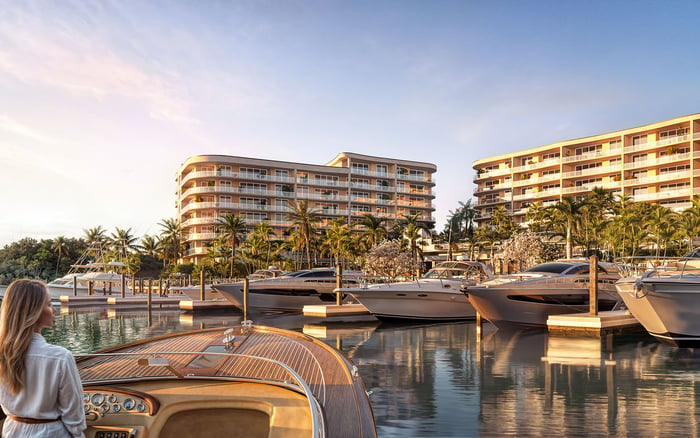
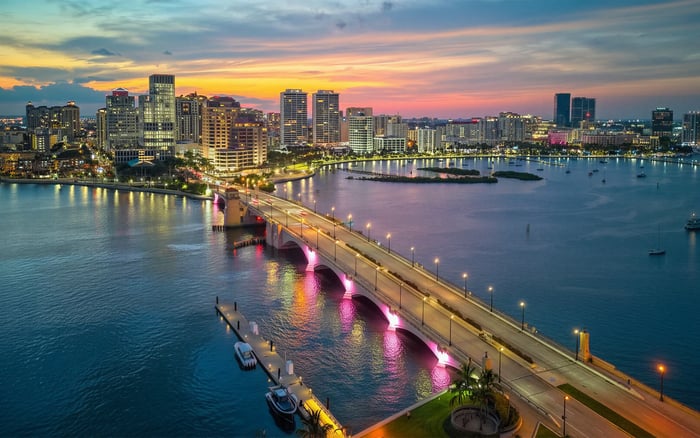
A trophy penthouse can sit well above the waterline while still carrying building-level flood exposure. For South Florida buyers, the real cost includes insurance, financing, reserves, resilience work, access, and future marketability.
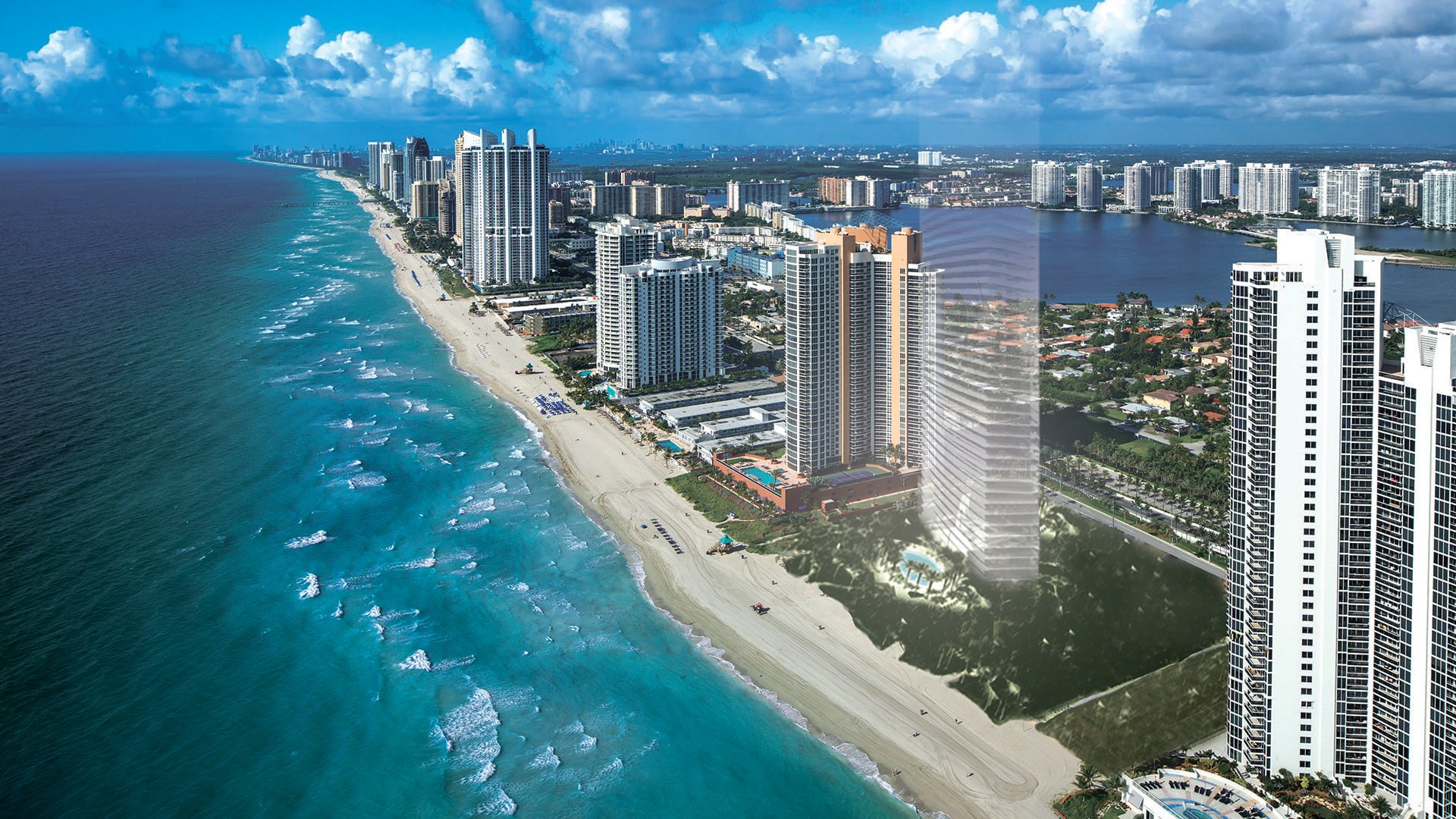
A South Florida trophy penthouse may live in the sky, with private terraces, open water views, and a clear sense of separation from the city below. Yet its real cost is still tied to the first floors, the garage, the lobby, the electrical rooms, the elevators, the access road, and the association balance sheet. Flood-zone exposure is not simply a question of whether water can reach the residence. It is a question of whether the building can function, insure, finance, repair, and resell with confidence after a flood event.
That distinction matters across Miami-Dade, Broward, and Palm Beach. A buyer considering a penthouse in Brickell, Miami Beach, Sunny Isles Beach, Fort Lauderdale, Palm Beach, or Pompano Beach is not only buying air rights and finishes. The buyer is also buying into shared infrastructure. If parking, utility systems, pool decks, service entries, storage rooms, generators, pumps, or lobby areas are vulnerable, that risk can flow into monthly dues, special assessments, downtime, and market perception.
This is why disciplined waterfront buyers underwrite flood exposure as part of the acquisition price. The headline number may be the contract price, but the real number includes insurance obligations, financing conditions, association reserves, resilience spending, and the probability that a future buyer will ask the same questions with even greater precision.
Public flood maps are the starting point. They help identify whether a building sits in an area where flood exposure may affect insurance and lending conversations. For a financed purchase, the lender’s requirements can become part of the deal structure. For a cash purchase, the issue does not disappear, because association insurance costs, master-policy deductibles, exclusions, and future resale questions can still affect ownership.
A penthouse owner may never see water at the residence level and still absorb higher building-wide costs through assessments or dues. Insurance pricing can also vary by property characteristics, building design, proximity to water, and replacement-cost considerations. Two beautiful coastal towers can therefore carry different risk profiles, even if they appear similar from the terrace.
A buyer comparing The Residences at 1428 Brickell with a beachfront opportunity in The Perigon Miami Beach should not assume that elevation in the air equals identical exposure on the balance sheet. The more useful question is how the entire building performs, protects, insures, funds, and recovers.
The most expensive surprises in a luxury condominium are often collective. Floodproofing, equipment elevation, waterproofing, temporary barriers, drainage work, pumps, generators, and protective systems are generally building-wide investments. Even when these upgrades are prudent and value-preserving, they can change the economics of ownership.
The due-diligence package should therefore go beyond the floor plan. Buyers should review the building’s mapped flood zone, available elevation information, association insurance policies, deductibles, reserve materials, inspection history, and planned capital projects. A building with underfunded reserves and known resilience needs may offer the right view at the wrong carrying cost. Conversely, a well-capitalized association that has planned for flood mitigation may help protect both lifestyle and liquidity.
Coverage limits also matter. Flood-related insurance can include limits, exclusions, and deductibles, so owners and associations can still face gaps after an event. In a high-service tower, the affected components may include finishes, mechanical systems, amenity areas, and access points that support the entire resident experience.
For ultra-premium buyers, the cost of flood exposure is not purely financial. It is also operational. If a storm compromises the garage, elevator systems, service corridors, driveway access, or ground-floor utilities, the penthouse may remain physically untouched while its daily usability is interrupted. In this tier of the market, continuity is part of the luxury proposition.
This is especially important for second-home and seasonal-use patterns. A residence intended to feel effortless can become burdensome if post-storm access, contractor coordination, insurance claims, or association meetings become recurring concerns. The question is not only, “Can I live above the flood level?” It is, “Can the building operate elegantly after a flood?”
In areas with intense waterfront demand, buyers are increasingly comparing architecture with resilience posture. A Sunny Isles Beach buyer looking at Bentley Residences Sunny Isles may be focused on privacy, design, views, and services, but prudent underwriting still includes the same flood-map, insurance, and association review applied to any coastal tower. In West Palm Beach, a buyer drawn to Alba West Palm Beach should take a similarly disciplined approach to building-level costs and long-term marketability.
Flood-zone exposure can influence future liquidity because the next buyer, lender, and insurer may revisit the same file. If premiums rise, reserves increase, or a building announces major resilience work, the market may reprice the carrying cost. In trophy real estate, shifts in perceived risk can matter because the buyer pool is selective and well advised.
Visible water-management issues, recurring access interruptions, or uncertainty around building-level mitigation can add friction to future negotiations. These conditions do not erase the appeal of South Florida’s waterfront towers. They make diligence more valuable.
The cleanest sale process is likely to belong to buildings that can produce a coherent file: flood-zone information, elevation materials if available, insurance, reserves, inspection records, mitigation planning, and capital strategy. The best underwriting is not fear-based. It is precision-based. A trophy penthouse can remain an extraordinary asset, but its true cost lives at the intersection of architecture, insurance, infrastructure, association governance, and future buyer psychology.
Does a high-floor penthouse still need flood due diligence? Yes. The residence may be elevated, but the building’s systems, access, amenities, insurance, and association costs may still be flood-exposed.
Can flood-zone status affect a mortgage? Yes. Lenders may review flood exposure and insurance requirements as part of the financing process.
Why does flood insurance matter to a cash buyer? Cash removes lender requirements, but it does not remove association insurance costs, deductibles, exclusions, reserves, or resale risk.
What documents should a buyer request? Ask for flood-zone information, elevation materials if available, insurance policies, deductibles, reserve materials, inspection records, and planned resilience projects.
Can association dues rise because of flood exposure? Yes. Floodproofing, pumps, barriers, waterproofing, generators, and equipment elevation can become building-wide expenses.
Do insurance policies cover every flood-related loss? No. Coverage can include limits, exclusions, and deductibles, so buyers should review both unit and association policies carefully.
Why do access points matter for a penthouse buyer? A penthouse can remain dry while garages, elevators, service entries, or driveways disrupt daily use after a flood event.
Are newer buildings automatically free from flood-cost surprises? Not automatically. Newer design may help, but buyers should still review flood maps, insurance, reserves, and building-level mitigation.
How can flood exposure affect resale? Future buyers may evaluate the same insurance, reserve, access, and mitigation issues, which can influence pricing and negotiation leverage.
How should flood risk be priced into a trophy penthouse offer? Treat it as part of total ownership cost, including premiums, dues, reserves, special assessments, resilience work, downtime, and resale friction.
For a discreet conversation and a curated building-by-building shortlist, connect with MILLION.
If branded residences are on your mind — as a home or as an allocation — we would be glad to share what we are seeing, privately.
Begin a quiet conversation