A buyer-focused review of Shorecrest’s unresolved outage provisions, with practical requests for generator runtime, elevator operating sequences, refrigerator circuits, and owner emergency planning.
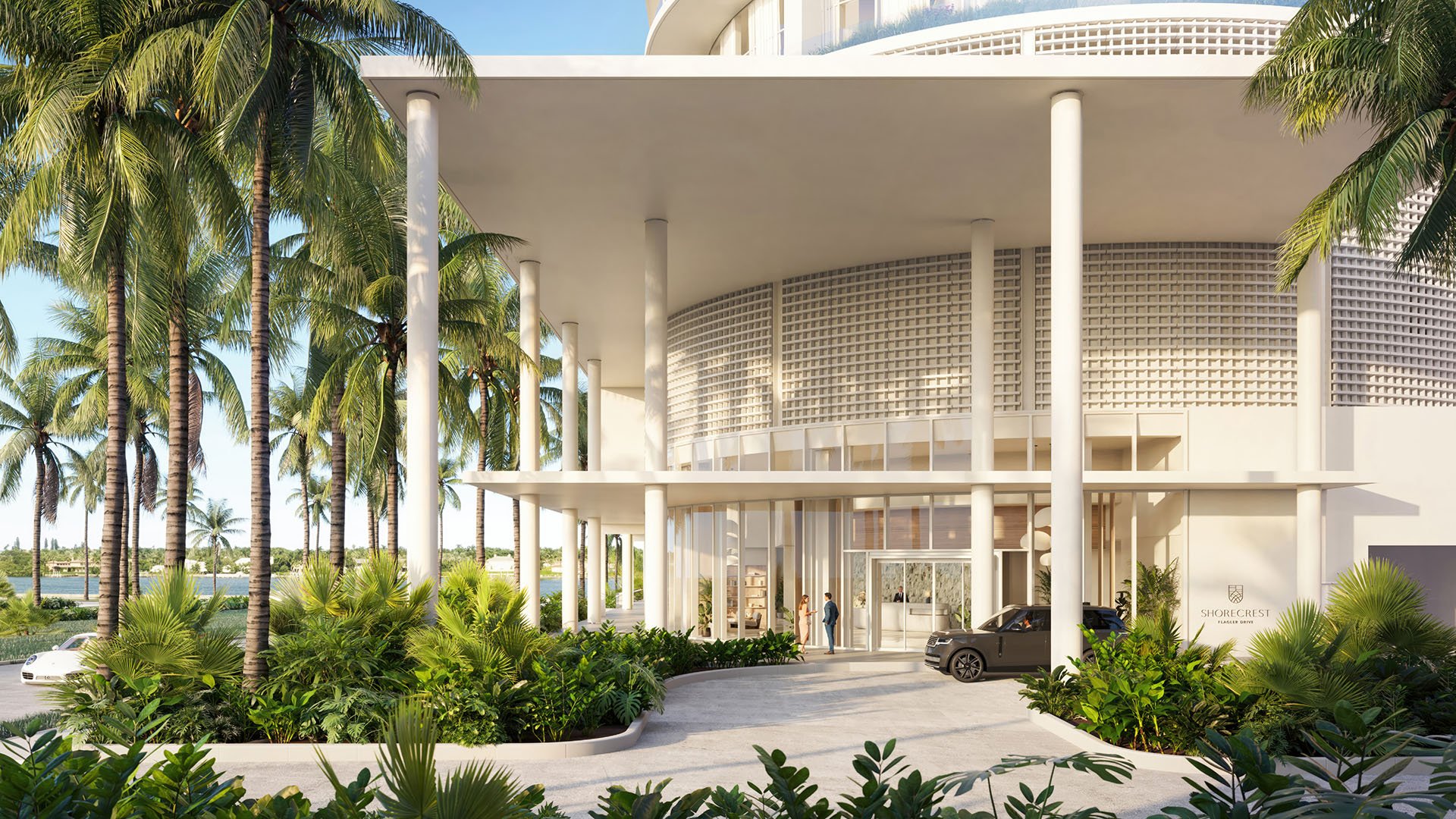
At Shorecrest Flagler Drive West Palm Beach, a planned 28-story, 98-residence condominium, an owner’s operational review should begin with three distinct questions: how long backup power can operate, how the elevators will function, and whether in-unit refrigeration will remain powered. A general assurance that the building has emergency power answers none of them.
For a luxury residence, continuity is part of comfort. Yet available project disclosures do not establish generator fuel type, tank capacity, guaranteed runtime, emergency load schedules, or refueling arrangements. They also do not confirm emergency power for in-unit refrigerators or freezers. These are unresolved specifications-not evidence that the building lacks those capabilities.
The essential distinction is between an expectation and a documented service commitment. Owners should seek written answers tied to the systems, operating procedures, and responsibilities that will govern an extended interruption.
A meaningful runtime statement must identify what the generator is expected to support. Request equipment specifications, fuel type, usable fuel capacity, and runtime at the stated emergency load. The answer should distinguish a proposed design target from a contractual commitment or a tested operating result.
Request the emergency load schedule alongside the runtime calculation. Have the project team identify which systems are included, which are excluded, and whether any loads are reduced or disconnected as an outage continues. Elevator availability does not establish that residential air-conditioning, kitchen appliances, or every common-area service will remain available.
The refueling plan deserves equal scrutiny. Request written arrangements identifying who orders fuel, who supplies it, what delivery commitments apply, and how access to the property will be coordinated. Ask whether the quoted duration assumes replenishment. An estimate that depends on deliveries is not a measure of on-site fuel endurance.
For buyers also considering Alba West Palm Beach, these questions provide a disciplined basis for comparison. Compare documented loads and operating conditions, not a shared description such as backup power. Do not assume operational equivalence between the projects.
Elevator recall and continued resident service require separate review. Shorecrest’s recall floor, fire-service sequence, designated emergency elevator, backup-power schedule, and resident-access restrictions remain unresolved in the available project information. A reference to recall does not establish that residents can continue making ordinary trips.
Request a written sequence explaining what happens when utility power fails, when backup power becomes available, and when normal service returns. Separately, request the sequence governing a fire alarm or another condition that changes elevator access. Have the team identify which car, if any, is intended for resident use during backup operation.
The practical questions are specific: Is service continuous or scheduled? Who authorizes access? What restrictions apply during emergency operations? How will residents receive updates? A designated elevator is not, by itself, proof of unrestricted availability.
For an owner who depends on elevator access, the purchase review should include a personal contingency plan. Request the building’s resident-assistance procedures and clarify the limits of staff support before relying on continued occupancy during an extended outage.
The historical 2010 Florida provision addressed qualifying residential multifamily buildings at least 75 feet high with public elevators. It described alternate power for at least one elevator for a specified number of hours each day over five days. It did not promise continuous operation of every elevator.
That earlier residential-elevator generator requirement was repealed in 2011. It should not be presented as current law or as a verified Shorecrest obligation. Applicable project-specific requirements need separate confirmation from qualified legal and engineering advisers.
The historical provision also contemplated either an on-property generator and fuel source or a current service contract providing equipment and fuel on call within 24 hours after a request. Its written emergency-plan requirement addressed operations before, during, and after an emergency.
None of those historical terms establishes five days of whole-building power, air-conditioning, or in-unit refrigeration. Keep legal compliance, equipment capability, and promised resident services distinct throughout the review.
Emergency power for Shorecrest’s in-unit refrigerators and freezers remains unconfirmed. Request written identification of the refrigerator and freezer circuits, if any, connected to emergency power, along with the conditions under which those circuits operate.
Ask whether that confirmation applies to the specific residence and appliance configuration being purchased. Clarify any operating limits, interruptions during power transfer, or later shutdown conditions. An assurance about building power is no substitute for an answer about the kitchen circuit.
If refrigeration is essential to the household’s plans, do not rely on an unconfirmed connection. Establish an alternative arrangement appropriate to the items being stored. Both the purchase decision and the household contingency plan should reflect documented capabilities, not assumptions drawn from the residence’s luxury positioning.
Begin the document review by reconciling the property identification. Two addresses appear for Shorecrest: 1901 N. Flagler Drive, West Palm Beach, FL 33407, and 1865 North Flagler Drive. Have counsel confirm the correct legal identification in the condominium documents rather than selecting one address informally.
Keep the generator specifications, emergency load schedule, elevator sequence, and refrigeration confirmation together. Request commissioning records when available, along with the maintenance program, testing responsibilities, and refueling arrangements. Distinguish documents describing planned systems from records confirming completed testing.
A buyer evaluating Forté on Flagler West Palm Beach can use the same document categories without assuming identical systems. The objective is a comparable written record, not a ranking unsupported by operating details.
For an intermittently occupied residence, ask who communicates outages, whether authorized personnel may enter the unit, and how an absent owner will learn of changes to refrigeration or elevator service. Request those procedures in writing, including any limits on management’s responsibilities.
Do not treat portable generators as an assumed workaround or assume that a resident arrangement is authorized at Shorecrest. Do not plan to operate one inside a unit or on a condominium balcony.
The ownership decision ultimately rests on three documented boundaries: the duration of specified backup loads, the conditions of elevator access, and the treatment of in-unit refrigeration. Until those boundaries are clear, maintain a conservative household plan rather than presume a number of backup-power days.
For a discreet conversation about your West Palm Beach purchase priorities, connect with MILLION.
If branded residences are on your mind — as a home or as an allocation — we would be glad to share what we are seeing, privately.
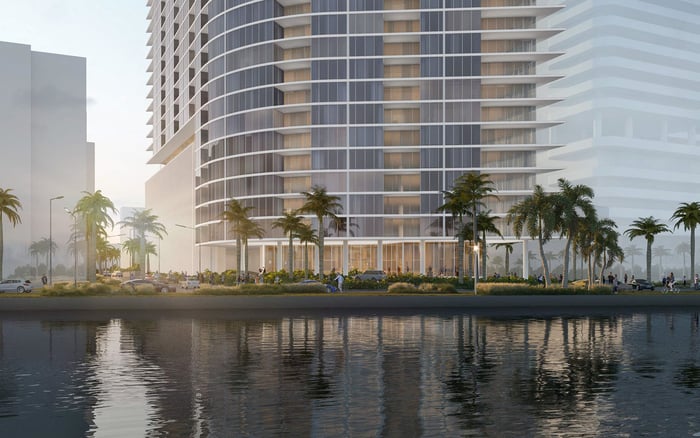
Begin a quiet conversationShorecrest is planned as a 28-story condominium with 98 residences on North Flagler Drive in West Palm Beach.
No guaranteed runtime is established in the available project disclosures. Request usable fuel capacity, runtime at stated loads, and the assumptions concerning refueling.
Request equipment specifications, fuel type, usable capacity, an emergency load schedule, and refueling arrangements. Obtain commissioning and maintenance records when available.
No. Recall should not be equated with continued passenger service; the designated elevator, operating sequence, schedule, and resident restrictions require separate confirmation.
No, the historical 2010 provision does not establish Shorecrest’s obligations. The earlier residential-elevator generator requirement was repealed in 2011; current project-specific requirements need separate confirmation.
No. It addressed specified daily elevator access over five days, not continuous power for all elevators, residential air-conditioning, or in-unit refrigeration.
That remains unconfirmed. Obtain written identification of any emergency-powered refrigerator and freezer circuits and their operating conditions.
Project materials use both 1901 N. Flagler Drive and 1865 North Flagler Drive. Counsel should reconcile those addresses against the legal condominium documents.
No approved resident arrangement at Shorecrest is established in this review. Do not plan portable-generator operation inside a residence or on a condominium balcony.
Request written procedures for outage notifications, authorized unit entry, and communication about refrigeration or elevator interruptions. Clarify management’s responsibilities and maintain a household contingency plan.