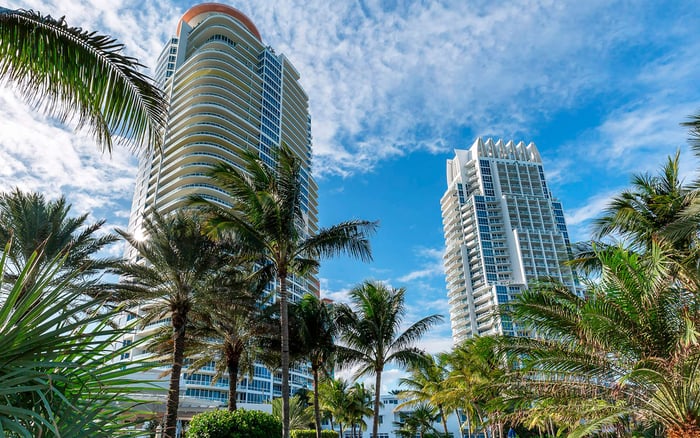
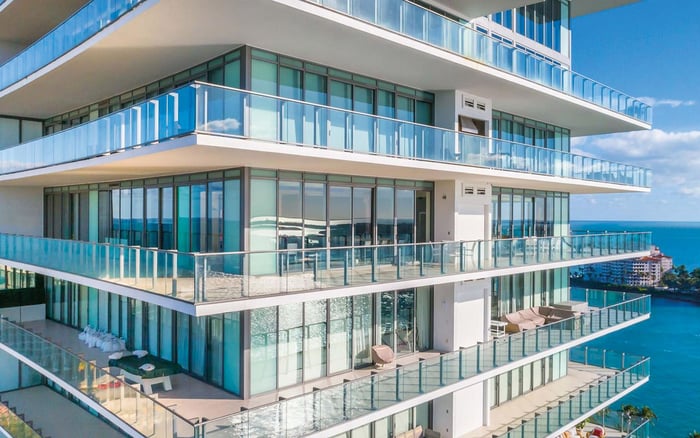
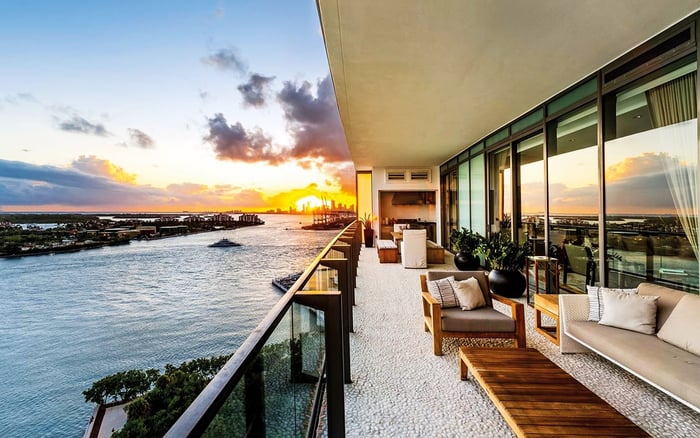
An owner-focused review of the documentation needed to understand Apogee South Beach’s outage readiness, from usable generator fuel and elevator procedures to refrigerator-circuit coverage and household food safety.
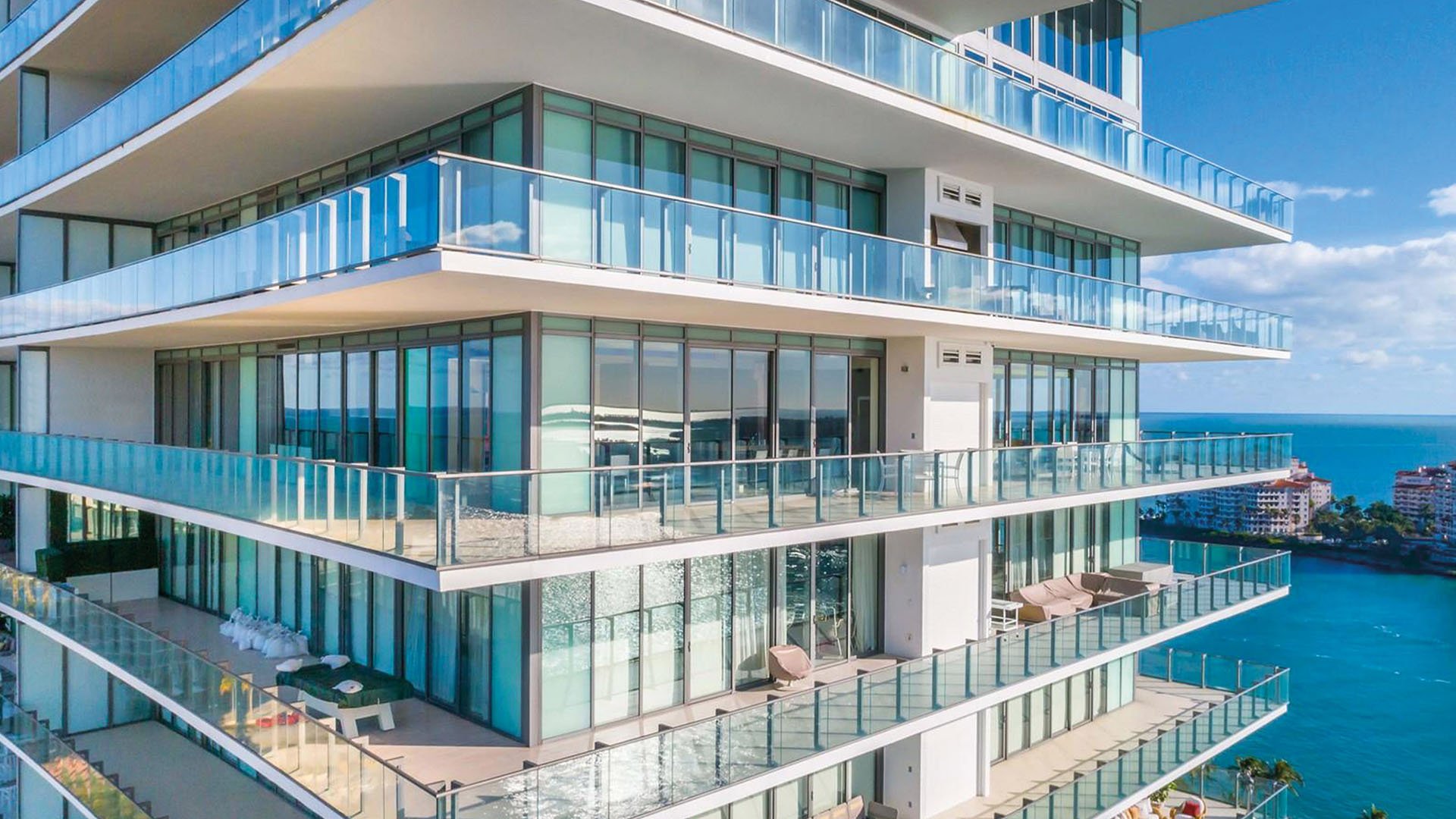
At Apogee South Beach, privacy and service are central to the residential experience. The 67-unit, 22-floor condominium at 800 South Pointe Drive in Miami Beach offers residences accessed through private elevator foyers, along with 24-hour valet and security. Those features define everyday service, not emergency-power capability.
For an owner, the review begins with three distinct questions: how long the generator can support its designated loads, how elevators operate during an interruption, and whether the refrigerator inside the residence receives backup power. Each requires a written answer. A reassuring description of building service cannot replace equipment records, operating procedures or circuit-level confirmation.
The essential distinction is between protecting critical building functions and preserving ordinary household convenience. Until coverage is confirmed, owners should plan for interrupted elevator access and unpowered refrigeration rather than assume a common-area generator resolves either issue.
A credible runtime assessment begins with usable fuel, not a tank’s stated capacity alone. Request the fuel type, usable tank capacity, reserve requirements and consumption at different operating loads. Then ask which load condition supports any duration quoted by management.
The documentation available for this review does not establish Apogee’s generator specifications, fuel capacity, consumption or guaranteed runtime. No building-specific runtime should guide an owner’s plans without further confirmation. Ask management to distinguish an estimate under defined conditions from a contractual assurance.
The supporting records matter as much as the headline figure. Request maintenance history and recent load-bank test results, together with the emergency-power one-line diagram and connected-load schedule. Have management identify coverage for fire and life-safety equipment, water pumps, security, elevators and residential circuits individually. Treat this as a request for clarification, not a presumption that every category is connected.
For buyers also considering Continuum on South Beach, the same document-based questions provide a useful comparison framework. They do not establish equivalent equipment or performance between properties.
Onsite fuel duration and extended-outage support are separate questions. Request the refueling agreement in writing, including any hurricane fuel-delivery priority. Ask management how replenishment is coordinated and who communicates changes to residents.
A delivery agreement should not be treated as a guarantee of continued ordinary service. The owner’s planning file should distinguish the documented onsite operating estimate from the arrangements intended to support a longer interruption.
A useful management response would identify the assumptions behind the runtime estimate, the point at which replenishment is requested and the notification process if circumstances change. These are verification questions, not established details of Apogee’s procedures. Their value lies in making the household plan less dependent on an undefined promise of backup power.
Private elevator foyers make vertical access particularly important to the ownership experience. A separate service elevator serves delivery personnel and other non-residents. Neither feature establishes which elevator, if any, residents may use during an outage.
Request the approved fire-recall sequence and the utility-outage sequence separately. Ask which elevators are authorized for resident use after generator transfer, what operating restrictions apply and how staff communicate availability. An elevator’s inclusion in an emergency-power load schedule does not, by itself, establish permitted passenger access.
The verification file should include inspection records, certificates of operation, emergency-power tests and documented Phase I recall and Phase II firefighter-operation tests. Ask management how those records relate to resident instructions without treating fire-service procedures as a promise of normal passenger service.
Obtain clear household instructions before an interruption. Owners should know whom to contact, how access changes are announced and what arrangements management recommends when elevator service is unavailable. Do not infer resident access from secure elevators, staffing levels or a separate service car.
The decisive question is specific: does the refrigerator circuit in this residence, or a designated outlet serving it, receive emergency power? Obtain written confirmation for the individual unit. A generator serving shared building functions does not establish coverage for a kitchen appliance.
Until coverage is confirmed, prepare for refrigeration to stop when utility power fails. Keep refrigerator and freezer doors closed. An unopened refrigerator generally keeps food safe for up to four hours; an unopened full freezer generally maintains safe conditions for approximately 48 hours, compared with approximately 24 hours for a half-full freezer.
These are planning windows, not substitutes for temperature checks. Use refrigerator and freezer thermometers, including when power returns. Discard refrigerated food exposed to 40°F or higher for two hours or more, and never taste food to determine whether it is safe.
Ice-filled coolers and shelf-stable food supplies offer a practical fallback. Organize them before an interruption rather than repeatedly opening the refrigerator to assess its contents. The goal is a simple household routine that does not depend on unconfirmed electrical coverage.
Portable equipment is not an appropriate workaround on a condominium balcony. Generator operation is prohibited indoors, on balconies or near open windows. Generators must be outdoors, in well-ventilated locations, at least 20 feet from windows, doors and vents.
A limited portable-generator permit exemption for directly connected appliances and lights does not establish permission for resident use at Apogee. Improper electrical connections can create fire hazards and endanger utility workers when service returns. Generators must also be turned off and allowed to cool before refueling.
For an owner seeking continuity, the appropriate path is confirmation of authorized building systems and a household contingency plan-not an improvised connection or balcony installation.
For a resale purchase or a second-home ownership plan, assemble one concise operations file: the runtime basis, refueling agreement, connected-load schedule, elevator procedures and written refrigerator-circuit confirmation. Keep building-level documents separate from the household’s food-safety preparations.
The same review can inform questions when evaluating Five Park Miami Beach, without assuming any particular emergency-power capability there. Across properties, compare documented functions rather than the language of full-service living.
At Apogee, the strongest owner position is knowing precisely what is supported, what remains to be confirmed and how the household will respond if service is interrupted. That clarity belongs alongside privacy, service and daily comfort in an ownership decision.
For a discreet perspective on South Florida ownership and residential due diligence, explore MILLION.
If branded residences are on your mind — as a home or as an allocation — we would be glad to share what we are seeing, privately.
Begin a quiet conversationApogee South Beach is at 800 South Pointe Drive in Miami Beach. It is a 67-unit, 22-floor condominium.
A building-specific duration is not established here. Request usable fuel capacity, consumption at defined loads and reserve requirements before relying on a runtime estimate.
Request maintenance records, recent load-bank test results, the emergency-power one-line diagram and the connected-load schedule. Ask management to identify the assumptions behind any quoted runtime.
Do not treat a refueling agreement as a guarantee of uninterrupted service. Request its terms and hurricane delivery priority in writing, separately from the onsite fuel estimate.
Resident elevator availability during outages is not established here. Request the approved utility-outage sequence and written clarification of which elevators residents may use after generator transfer.
Yes. Request both approved sequences, along with inspection records, emergency-power tests and documented Phase I recall and Phase II firefighter-operation tests.
Coverage for unit refrigerators is not established here. Confirm in writing whether the individual refrigerator circuit or a designated outlet receives emergency power.
An unopened refrigerator generally keeps food safe for up to four hours. Keep its doors closed and use a thermometer to assess temperatures.
An unopened full freezer generally keeps food safe for approximately 48 hours; a half-full freezer generally provides approximately 24 hours. Check temperatures rather than relying solely on elapsed time.
No. Local hurricane safety guidance prohibits balcony generator operation, and a portable-generator permit exemption does not establish permission for resident use at Apogee.