A buyer-oriented review of Apogee South Beach’s advertised wellness amenities and the written operating policies owners should request before relying on fitness access, outside trainers, or acoustic protections.
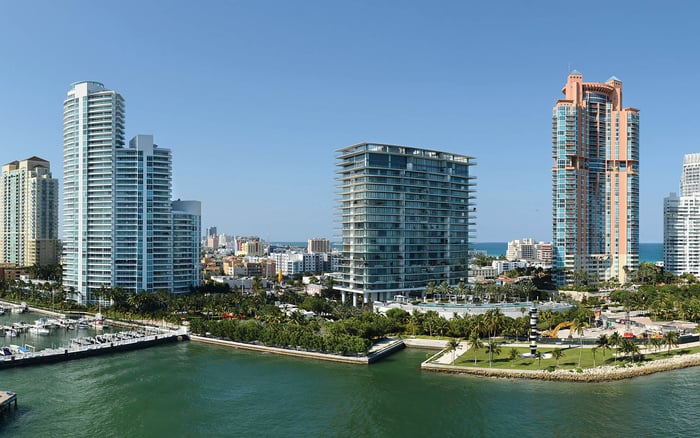
At Apogee South Beach, located at 800 South Pointe Drive in Miami Beach’s South of Fifth neighborhood, the ownership question extends beyond the presence of a fitness center. For a resident with a carefully scheduled training routine, the more consequential questions are access, trainer approval, and whether shared amenities can coexist comfortably with private residential life.
Advertised amenities include a strength-training fitness center, spa, infinity-edge pool, and open-air party pavilion. Concierge service, valet parking, private elevators, and private terraces with gas grills round out the advertised offering. None of these features, however, establishes the rules governing everyday use.
A sound owner-operations review separates advertised amenities from documented permissions. The advertised offering does not disclose reservation procedures, trainer requirements, or acoustic controls. That does not mean such policies do not exist. It means buyers should request the current written rules before treating any particular routine as assured.
The fitness center is advertised as state-of-the-art and equipped for strength training. The description does not specify advance reservations, capacity limits, operating hours, or resident-app booking procedures. It also leaves fitness-room guest policies, cancellation terms, and a reservation calendar unspecified.
For a prospective owner, the first request should be the current fitness rules and a clear explanation of how access works. Ask whether ordinary workouts are walk-in, whether personal-training sessions require bookings, and whether a reservation secures equipment, a time slot, or exclusive use. These are distinct arrangements, not interchangeable privileges.
Next, test the policy against the household’s actual schedule. If training before work is essential, confirm permitted hours and any restrictions that could affect that routine. If visiting family members might use the gym, request eligibility requirements and clarify whether the owner must accompany them.
Cancellation terms deserve attention even when no fee is involved. Owners should understand how unused reservations are released, how competing requests are handled, and whether recurring bookings are permitted. None of these arrangements should be assumed from the amenity description.
The advertised fitness offering includes exercise routines and dietary guidance from “experienced staff,” without identifying their credentials, employer, or service schedule. Before relying on that offering, ask management what service is available, who provides it, and whether it carries a separate charge.
Outside trainers require a separate inquiry. The advertised offering does not identify an approved-trainer roster or explain whether condominium approval is required. A trainer’s professional competence and permission to enter the building are separate questions. Resolve both before scheduling sessions.
A useful diligence request should cover the approval process, accepted certifications, CPR/AED documentation, insurance requirements, waivers, and security check-in procedures. Ask who reviews submissions, whether approvals expire, and what happens when an insurance policy or credential lapses. Annual verification is a suggested control, not a verified Apogee requirement.
The permitted scope of service also matters. The advertised offering does not establish whether trainers may conduct group sessions, use amplified music, store equipment, or train nonresident guests. Written answers can prevent a private session from becoming an unanticipated shared-space issue.
Finally, do not infer building affiliation from an Apogee-branded training offer elsewhere. A similar name, advertised session rate, or published credential standard does not establish authorization to operate inside this condominium.
For owners, acoustic diligence should extend beyond speaker volume. A practical review distinguishes equipment impact, exercise-related vibration, amplified sound, and mechanical noise. These are categories to investigate, not established conditions or defects at Apogee.
The advertised offering does not disclose building-specific decibel limits, quiet hours, acoustic studies, or noise-enforcement procedures. Request current rules, any available acoustic, mechanical, or flooring studies, and complaint or incident records that management can appropriately share. Ask how complaints are documented, investigated, and resolved.
Potential controls to discuss include vibration-isolation flooring, equipment-drop restrictions, speaker and bass limits, and defined hours for noisier activities. These are suggested measures, not verified existing policies. Their suitability should be assessed against the building’s actual conditions rather than prescribed from an amenity photograph.
For a residence under consideration, ask management to explain its relationship to amenity spaces and equipment areas. A viewing during permitted amenity use may help gauge personal comfort, but it cannot replace written rules or a technical assessment where one is warranted.
The advertised infinity-edge pool and open-air party pavilion extend the operational review beyond the gym. The pavilion is advertised for private and social events, including weddings, birthdays, and outdoor gatherings. Buyers should request event conditions rather than assume that a residential setting guarantees a particular sound environment.
Ask about event end times, amplified music, guest access, setup and breakdown, and who is responsible for responding to complaints. The advertised offering does not establish these details. Request a defined escalation process alongside any quiet-hours policy.
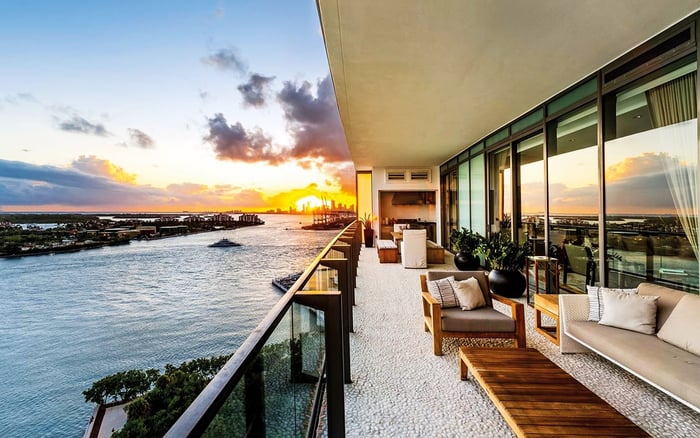
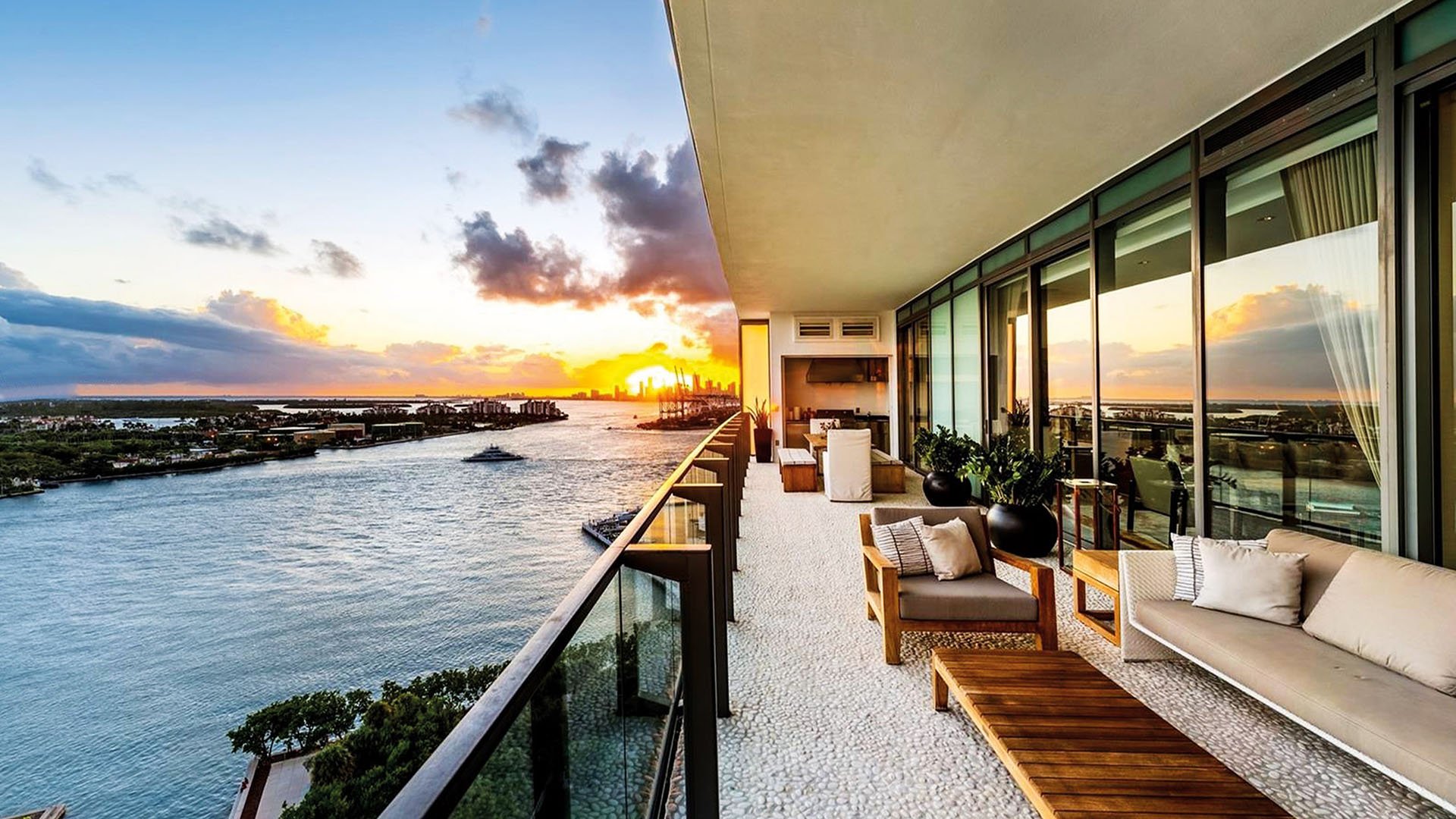
Private terraces with gas grills are also advertised. Owners should obtain the applicable use rules and understand how private entertaining and shared amenity events are addressed. The objective is not to eliminate social life, but to understand the boundaries within which it operates.
For a resale purchase, request the current operating documents early enough to evaluate them alongside the residence. Keep verbal assurances separate from written permissions, and ask management to clarify any inconsistencies before relying on a particular use.
A buyer also considering Continuum on South Beach can apply the same questions to each candidate: who can reserve, who can train, and who responds when activity affects neighboring residents? This is a diligence framework, not a claim that the properties share rules or service models.
Likewise, a shortlist that includes Five Park Miami Beach should compare documented operating terms rather than infer them from amenity language. Lifestyle fit depends on the permissions and practical arrangements that support a household’s routine.
For Apogee, the decision is straightforward: establish fitness access, trainer authorization, and acoustic accountability in writing. Advertised amenities are the starting point; operating documents determine which expectations an owner can reasonably rely upon.
For a discreet perspective on South Florida ownership and property selection, explore MILLION.
If branded residences are on your mind — as a home or as an allocation — we would be glad to share what we are seeing, privately.
Begin a quiet conversationApogee South Beach is at 800 South Pointe Drive, Miami Beach, FL 33139, in the South of Fifth neighborhood.
The advertised amenities include a strength-training fitness center and spa. An infinity-edge pool is also listed.
Reservation requirements are not disclosed in the reviewed public materials. Request current booking procedures and operating hours from management.
A fitness-room guest policy is not disclosed in the reviewed public materials. Ask management about eligibility, accompaniment, and any access restrictions.
The fitness description refers to experienced staff without identifying their credentials, employer, or service schedule. Clarify those details before relying on training or dietary guidance.
The reviewed public materials do not establish whether outside trainers require approval. Obtain written authorization and the applicable credential, insurance, and check-in requirements.
Those permissions are not established in the reviewed amenity description. Request written rules covering session size, music, equipment storage, and nonresident participation.
No. A similarly named provider’s pricing or credential standards do not establish permission to operate inside Apogee South Beach.
Building-specific quiet hours, decibel limits, acoustic studies, and noise-enforcement procedures are not disclosed in the reviewed public amenity pages. Request the applicable documents from management.
The pavilion is advertised for private and social events. Request event end times, sound restrictions, guest-access conditions, and complaint-response procedures.