A buyer-oriented guide to reviewing balcony waterproofing, rain-related concerns, inspection records, and façade-work logistics for a Pompano Beach residence.
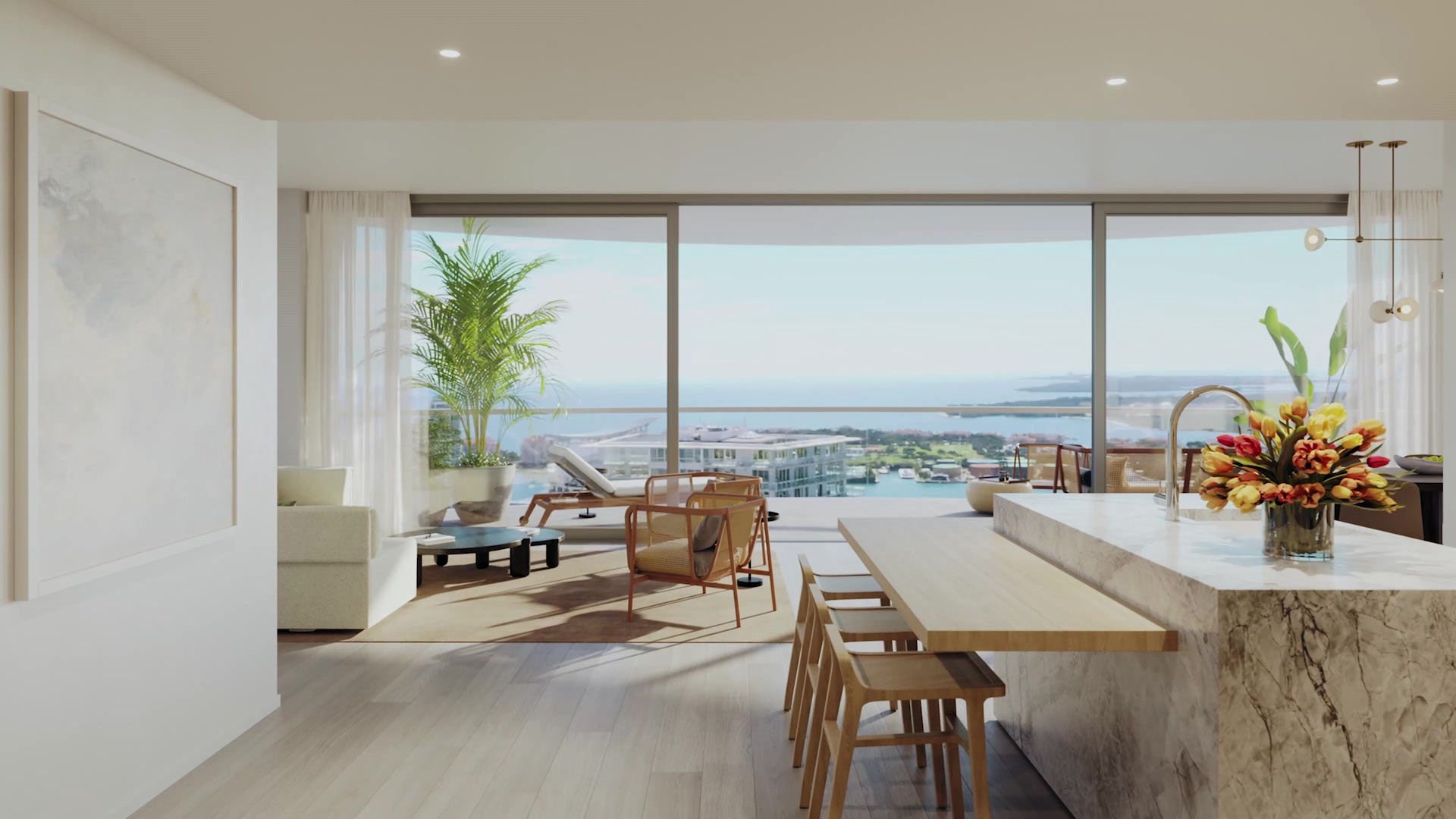
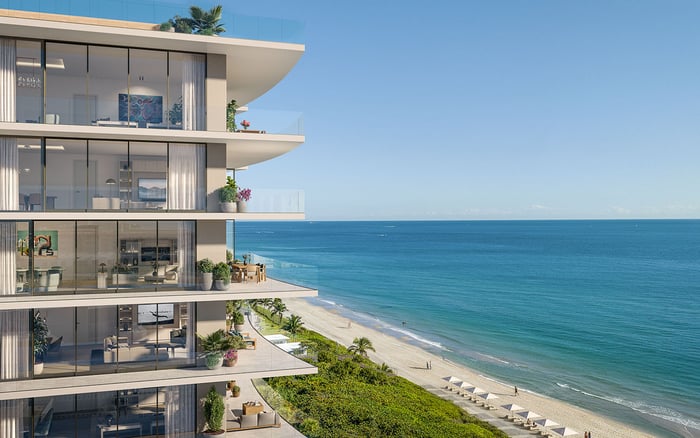
For a Pompano Beach residence, the balcony deserves the same attention as the interior plan. Its appeal is immediate; its maintenance arrangements are less visible. Before committing, a buyer should understand what has been inspected, what work remains unresolved, and how exterior maintenance could affect daily use.
The essential distinction is between building safety compliance, waterproofing performance, and the practical calendar for façade work. These questions are related, but the assurances are not interchangeable. A safety certification is not a residence-specific waterproofing warranty, and a municipal inspection appointment does not establish when contractors will need terrace access.
Whether considering The Ritz-Carlton Residences® Pompano Beach or another local address, apply the same document-led approach. A project name alone does not establish an individual balcony’s condition or the status of exterior work. The objective is a clear operating picture before closing.
Ask the association or manager for the waterproofing scope applicable to the residence. Does it cover only the balcony surface, or does it extend to adjoining details? Ask the responsible engineer or contractor to identify the areas covered, the work completed, and any exclusions. Attractive finishes cannot substitute for that explanation.
Request any applicable warranty. Confirm who issued it, what it covers, when coverage begins, and what maintenance or owner actions could affect it. Establish whether the documents concern the specific balcony, a larger building phase, or a proposed program. A general description of completed work does not necessarily answer those questions.
For buyers comparing Armani Casa Residences Pompano Beach with other residences, these questions provide a useful framework without implying anything about a particular property. Request written clarification of responsibility for future maintenance and repairs. Refer questions about finishes, furniture, or alterations to the association and the professional responsible for the waterproofing system.
A concern described as wind-driven rain calls for a precise inquiry: what was observed, where, under what circumstances, and who evaluated it? Request any dated photographs, maintenance entries, professional findings, or testing records relevant to the residence. If testing occurred, ask for its scope and conclusions rather than relying on a verbal summary.
Do not infer a cause from a stain, a damp threshold, or the absence of visible damage during a showing. Ask the evaluating professional whether the concern involves the balcony assembly, adjacent façade, openings, or another area-and whether further investigation is recommended. These are diagnostic questions, not conclusions about the building.
If a repair is described as complete, ask what evidence supports closure and whether a follow-up evaluation was performed. A buyer considering Ocean 580 Pompano Beach can apply the same questions while keeping every conclusion tied to the actual residence and its documentation. General assurances should not replace unit-specific answers.
Pompano Beach enforces the Florida Building Code, including standards for structural integrity, hurricane resistance, and building-system installation and maintenance. The local building-safety inspection framework applies to buildings and structures 25 years old or older, with subsequent inspections at 10-year intervals. It expressly includes elevated decks, balconies, docks, and seawalls when attached to or supporting a structure.
Required safety inspections must be performed by a Florida-licensed professional engineer or Florida-registered architect. The inspection report must certify that the building is structurally and electrically safe, or has been made safe, for continued occupancy.
For a building subject to the program, request the structural and electrical inspection reports, repair directives, and subsequent completion documents. Read them together. An initial finding, a repair instruction, and a final certification mark different stages; one should not be substituted for another.
After repairs, the inspecting engineer or architect must re-inspect affected areas and submit an amended report with a signed and sealed letter confirming completion and certification for continued use. Ask whether that closeout has occurred and whether any items remain unresolved. Keep this regulatory file separate from waterproofing warranties and rain-testing documentation.
After receiving an inspection notice, an owner generally has 180 days to submit the completed inspection report. Required repairs generally must be completed within 180 days of the inspection-report date, unless the Building Official specifies a different period. The two periods begin with different events.
For a purchase decision, request the notice date, report date, applicable repair deadline, and any formally specified alternative period. Then ask for the contractor’s proposed sequence. A regulatory deadline does not establish which elevation will be worked on first or when a particular balcony will be available again.
This distinction also belongs in conversations about Casamar or any other residence under consideration. Ask whether the schedule is preliminary, contracted, or confirmed for the relevant area. Clarify which dates depend on inspections, professional acceptance, or other stated conditions, without assuming exterior work is underway at that property.
Request a residence-specific access plan from the manager or contractor. Ask whether workers need interior entry, when balcony use would be restricted, and what residents must remove or protect. Establish who provides notice, how much notice is planned, and whom an absent owner should authorize to coordinate access.
Ask explicitly about weather-cancellation procedures. Who decides whether work proceeds, how are residents notified, and how is a cancelled visit rescheduled? Clarify how the plan distinguishes temporary access restrictions from clearance to use the area again.
Municipal scheduling is separate. Inspection requests can be submitted online at any time, seven days a week, while regular city inspections occur Monday through Thursday. Requests submitted by midnight may be scheduled for the next available business day; estimated arrival times are posted by 8:00 a.m. on inspection day. These arrangements help coordinate city access, not a condominium contractor’s façade calendar.
Before closing, assemble three distinct sets of answers: safety-inspection status, waterproofing and rain-related documentation, and residence-specific access arrangements. Identify who is responsible for each outstanding response and request written clarification wherever dates or responsibilities remain uncertain.
The strongest purchase review preserves the pleasure of the residence while making its practical obligations clear. A defined scope, documented closeout, and usable access plan provide a firmer basis for a decision than a broad promise that everything has been handled.
Explore Pompano Beach residences with MILLION and bring these operational questions to your next private viewing.
If branded residences are on your mind — as a home or as an allocation — we would be glad to share what we are seeing, privately.
Begin a quiet conversationRequest the applicable work scope, any warranty, maintenance requirements, and residence-specific repair documentation. Ask the responsible professional to clarify coverage and exclusions.
Do not treat a structural and electrical safety certification as a residence-specific waterproofing warranty. Review waterproofing documentation separately.
Ask for documented observations, professional findings, and any relevant testing records. Have the evaluating professional explain the diagnosis and whether further investigation is recommended.
The local framework applies to buildings and structures 25 years old or older, with subsequent inspections at 10-year intervals.
Yes. The program expressly includes elevated decks, balconies, docks, and seawalls when attached to or supporting a structure.
A Florida-licensed professional engineer or Florida-registered architect must perform the required inspections.
An owner generally has 180 days after receiving the inspection notice to submit the completed report.
Required repairs generally must be completed within 180 days of the inspection-report date, unless the Building Official specifies a different period.
The inspecting engineer or architect must re-inspect affected areas and submit an amended report with a signed and sealed letter confirming completion and certification for continued use.
No. Regular city inspections occur Monday through Thursday, while a contractor’s façade-access calendar must be confirmed separately with the manager or contractor.