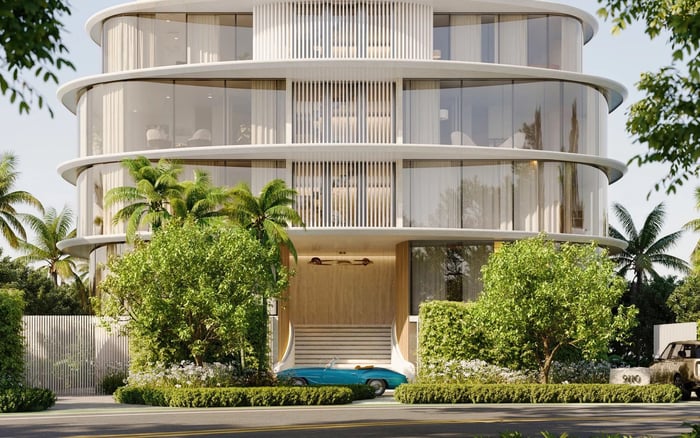
For buyers at Mila and Alana, water-risk diligence should distinguish verified equipment from proposed safeguards. A practical framework connects detection, isolation, maintenance, and documented response without assuming either property's specifications.
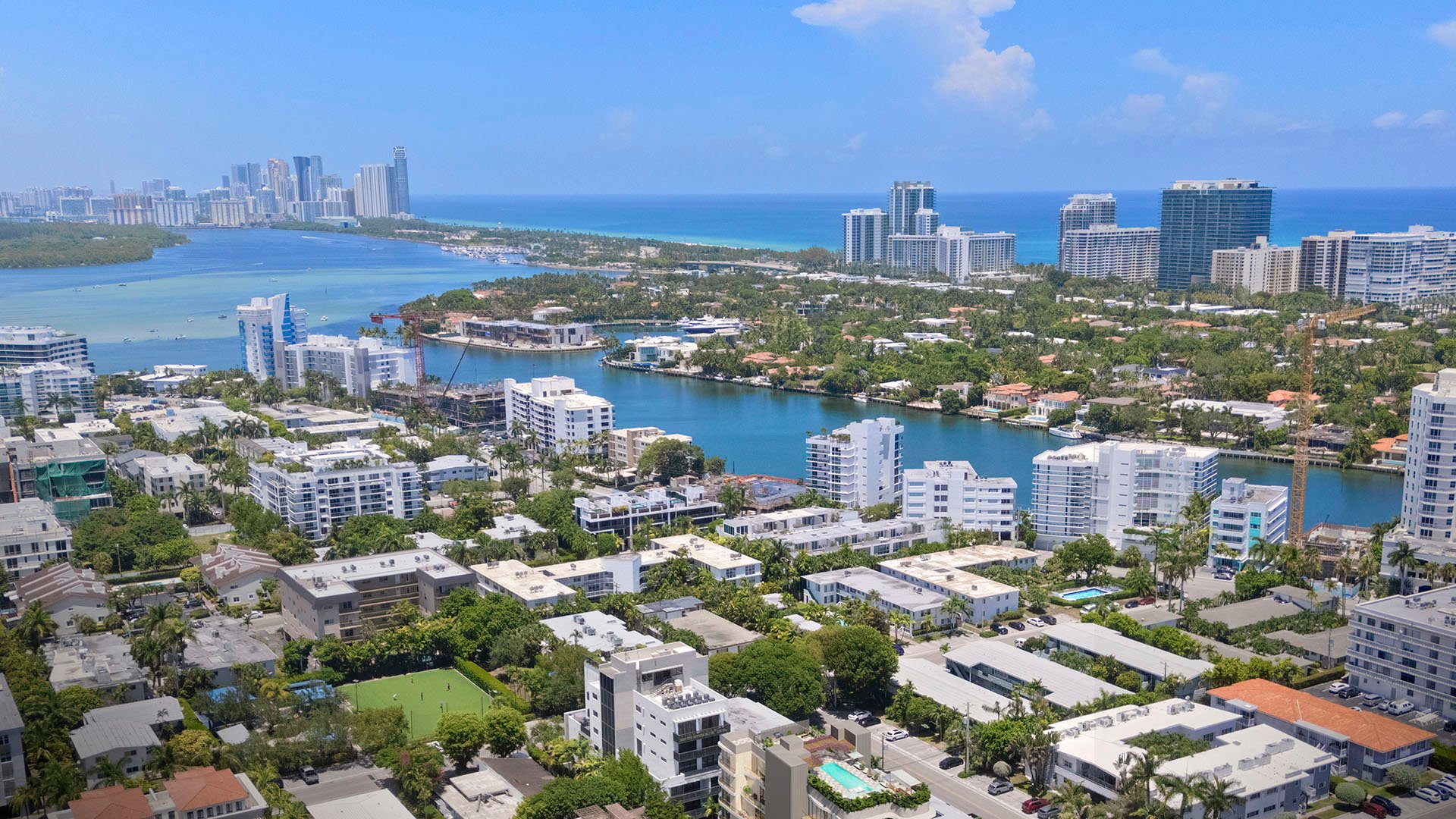
A well-considered residence should offer more than beautiful rooms. For buyers who travel frequently or maintain several homes, confidence also depends on what happens when a plumbing problem begins behind a closed door. Water-leak detection, automatic isolation, and a documented response plan deserve attention alongside finishes and floor plans.
At Mila Bay Harbor Islands and Alana Bay Harbor Islands, these protections warrant specific diligence questions, not assumptions. This article does not verify a complete sensor inventory, automatic shutoff installation, or written water-damage response standard for either property. That does not establish that these protections are absent.
The essential distinction is between equipment that detects a problem, valves that limit its spread, and people authorized to act. Buyers should seek evidence for all three. A sensor specification alone does not explain who receives an alert or how an unoccupied residence is accessed.
Begin by confirming that every document applies to the correct property and residence. Neither a building's scale nor a general description of its amenities establishes its water-protection capabilities.
For each property, request a plumbing riser and isolation diagram, a sensor inventory, valve specifications, testing and maintenance logs, and the written water-intrusion response policy. Ask for documents specific to the residence under consideration, rather than a general description of available technology.
The response should distinguish installed equipment from proposed work or owner-selected upgrades. It should also identify who is responsible for devices inside residences and equipment serving shared plumbing. The objective is not simply an assurance that the building is protected, but a clear understanding of that protection's scope and limits.
Point-of-leak sensors and flow monitoring perform different functions. Point sensors detect water where they are placed. Flow monitoring can identify abnormal water use, including patterns that may indicate a plumbing event. Neither description alone confirms that a valve will close automatically.
A useful review asks three separate questions:
Where are sensors located, and what spaces or plumbing connections fall outside their coverage?
What water-use abnormalities can the monitoring system recognize, and who receives those alerts?
Which detection events trigger automatic isolation, and which require a person to intervene?
Ask whether the equipment can learn household water-use patterns, recognize abnormalities, and turn off the supply. Treat those capabilities as items to verify, not as specifications for MILA or Alana.
Ask for the installed model, its configured settings, and evidence of testing. Also request an explanation of what happens during power or connectivity interruptions, how manual operation works, and how service is restored. These are recommended diligence questions, not claims that either property has a particular system or limitation.
An isolation valve's location matters as much as its automation. Ask whether the building uses residence-level, riser-level, or zone-based isolation, and whether an affected area can be isolated while other areas remain supplied.
Ask management to identify exactly which pipes and areas each valve serves. The plumbing diagram should clarify whether a response would isolate one residence, a shared zone, or a broader supply. The phrase automatic shutoff should not be read as a promise that one device can contain every possible leak.
If Bay Harbor Towers is also on a buyer's shortlist, apply the same document request there rather than assuming comparable specifications. A meaningful comparison measures verified coverage, isolation boundaries, and operating responsibility-not the prominence of smart-home language.
For an absent owner, an alert is only the beginning. A recommended response policy should identify the primary after-hours recipient, a backup contact, and the escalation route if the first person cannot respond. Ask for explicit responsibilities rather than a general assurance that someone will handle an incident.
Entry authority requires equal clarity. Who can access an affected residence, under what authorization, and how is the owner notified? Who may isolate the water supply, and who determines when service can resume? These questions should be resolved through the applicable condominium documents and operating procedures, not improvised during an event.
Request a written sequence covering alert receipt, assessment, authorized entry, isolation, owner communication, and incident documentation. Ask how affected areas are recorded and follow-up work is assigned. This framework is an operational recommendation, not a verified policy at either condominium or a universal legal requirement.
Testing should support that sequence. Request records showing what was tested, when, and by whom, along with maintenance responsibilities. A clear allocation of responsibility is especially important when equipment inside a residence interacts with a building-managed system.
For a Bay Harbor Islands purchase, review flood-related requirements separately from indoor leak protection. Do not treat flood-compliance documentation as confirmation that indoor leak sensors or automatic shutoffs are installed. Request evidence for those systems directly.
Financial responsibility is a separate inquiry. Ask how the condominium documents allocate water-service expenses, device maintenance, and water-damage costs. Do not assume that the allocation for one category determines responsibility for another; review the declaration and relevant policies with qualified advisers.
Insurance also warrants written confirmation. No device-linked savings are established here for MILA or Alana owners. Ask the insurer whether any discount is available and, if so, about the specific device, activation and maintenance conditions, and applicable policy terms before assigning value to it.
Apply the same discipline when considering The Well Bay Harbor Islands: request property-specific evidence without importing assumptions from another address. The goal is a clear record of what is installed, what remains proposed, who maintains it, and who acts when an alert arrives.
For MILA and Alana buyers, that record is the practical benchmark. Detection should connect to a defined isolation strategy, and both should connect to an authorized, documented response. Operational confidence comes from understanding those connections before ownership begins.
For a discreet perspective on South Florida residences and ownership considerations, explore MILLION.
If branded residences are on your mind — as a home or as an allocation — we would be glad to share what we are seeing, privately.
Begin a quiet conversationThis article does not verify automatic shutoff installations at either property. Buyers should request property-specific specifications and testing records; lack of confirmation does not prove absence.
Request a plumbing riser and isolation diagram, sensor inventory, valve specifications, testing logs, and written water-intrusion response policy. Confirm that the documents apply to the property and residence under consideration.
Ask for a written breakdown of installed equipment, proposed work, and owner-selected upgrades. Request testing records for equipment represented as operational.
A point sensor detects water where it is placed. Flow monitoring can identify abnormal water use that may indicate a plumbing problem.
Detection and isolation are separate functions. Buyers should confirm whether installed equipment is configured to close a valve automatically or requires human intervention.
The diagram helps clarify which residences, pipes, or zones an isolation valve serves. It supports a more precise understanding of the scope of a shutoff.
It should identify alert recipients, backup contacts, entry authority, isolation authority, owner communication, and incident documentation. This is a recommended framework, not a confirmed policy at either property.
No; buyers should review flood-compliance documentation separately from indoor leak protection. Request direct confirmation of sensors, monitoring, and automatic shutoffs.
Review the condominium declaration and relevant policies with qualified advisers. Ask separately about water-service expenses, device maintenance, and water-damage costs.
No savings are established here for MILA or Alana owners. Ask the insurer whether a discount is available and request written eligibility and policy conditions.