A buyer-focused look at One Thousand Museum’s sculptural architecture, advertised security and amenities, and the operational diligence that matters for long-term ownership.
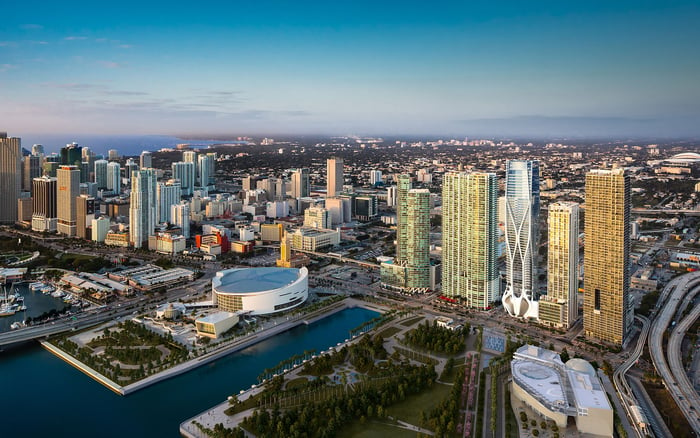
At 1000 Biscayne Boulevard, beside Museum Park, One Thousand Museum Downtown Miami offers a distinctive proposition: a 62-story residential tower by Zaha Hadid Architects, with fewer than 100 residences and a curving concrete exoskeleton. The exterior commands attention. For a prospective owner, however, the more consequential question is how that architecture supports everyday life.
The answer requires separating enduring design qualities from services that depend on current operations. Expansive interiors, an extensive advertised amenity program and security-oriented circulation establish the appeal. Staffing, maintenance, association finances and household rules determine whether it holds over time for a particular buyer. Architectural distinction merits attention, but it cannot replace operational diligence.
The exoskeleton is both the tower’s defining visual gesture and an expression of its structure. By reducing the need for conventional interior columns, it supports expansive residential spaces. For an owner, that relationship between structure and planning matters more than spectacle alone: it provides a basis for evaluating furniture arrangements, entertaining and the separation of household activities.
During a residence visit, study the actual plan rather than assuming every space benefits equally. Consider where seating belongs, how circulation works around furniture and whether private rooms remain comfortable when guests are present. Assess the relationship between the interior and exterior structure from the positions where you would sit, work and dine.
Buyers also considering Aston Martin Residences Downtown Miami should apply the same discipline: compare individual residences and ownership documents, not architectural identities alone. At One Thousand Museum, the exoskeleton is a documented distinction; its suitability for your household remains a personal assessment.
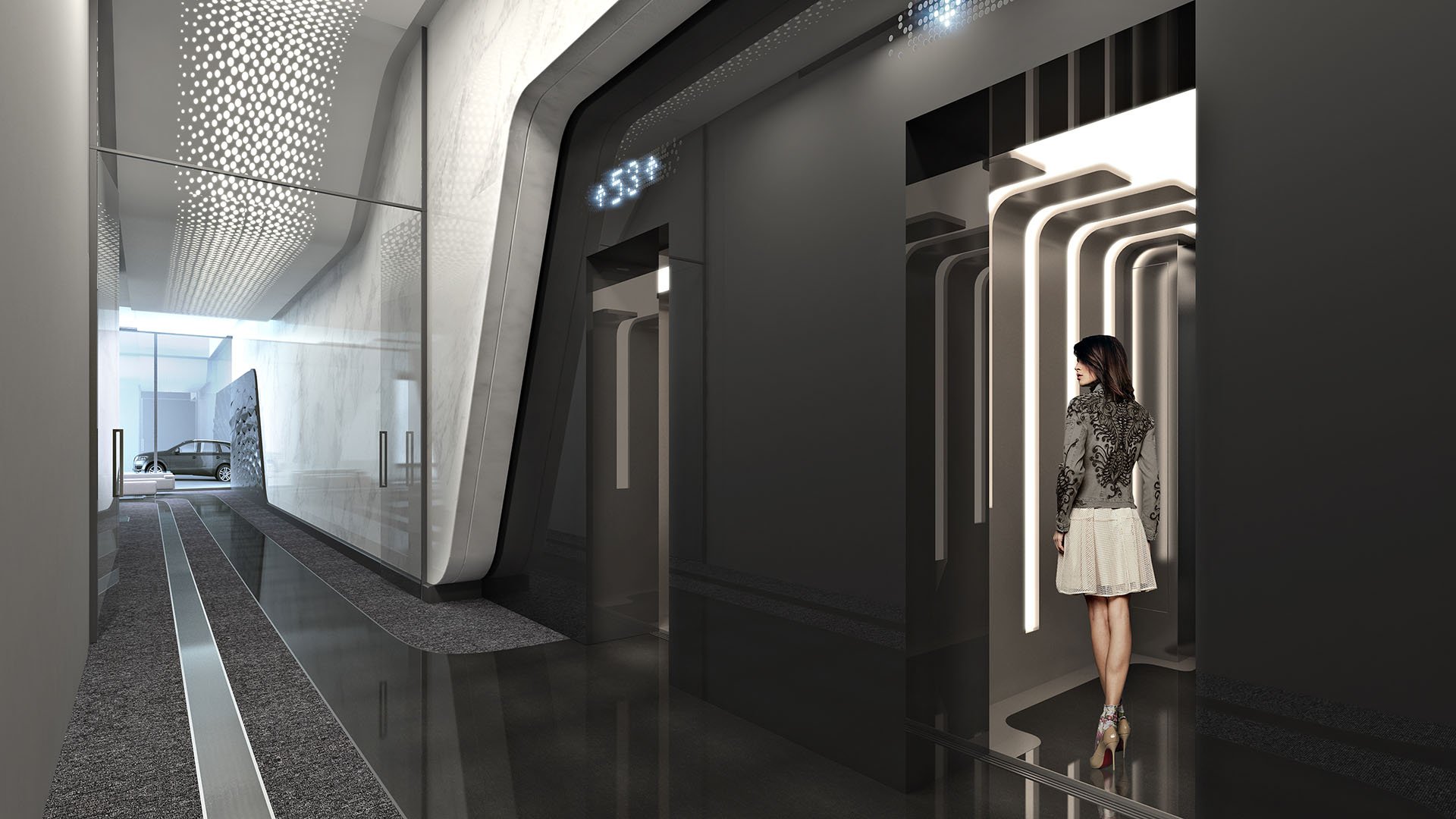
The advertised security program includes 24-hour coverage and specialized security personnel, alongside valet service, concierge assistance and on-site management. Secure on-site parking and high-speed elevators with destination-entry smart technology form part of the described arrival experience. The security concept also includes integrated technology and specialist planning for residents, guests and personal property.
These features signal an emphasis on controlled access. They do not, by themselves, establish present staffing levels, system condition or security effectiveness. Ask management to explain the current resident and visitor arrival process at an appropriate level, without requesting sensitive operational details.
Practical questions are often the most revealing. How are expected guests received? What happens when a resident arrives with a driver, caregiver or household employee? How are deliveries and contractors handled? Confirm procedures for credentials, temporary access and lost access devices, along with responsibility for maintaining the relevant systems. Privacy depends on consistent administration, not simply the presence of equipment.
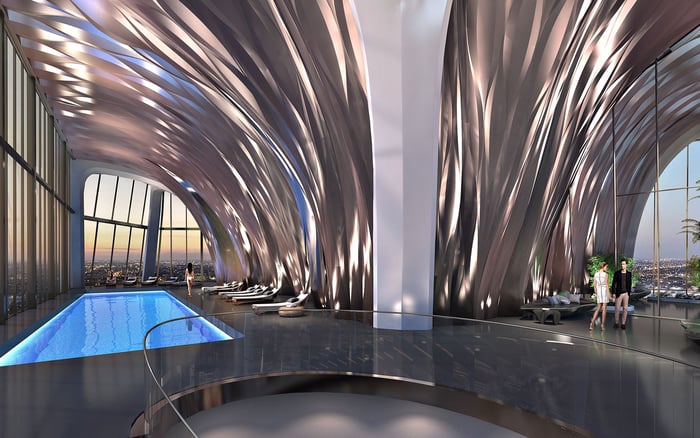
The advertised amenity program encompasses more than 30,000 square feet for fewer than 100 residences. It includes a double-height aquatic center with an indoor pool, an outdoor pool and recreation areas, a fitness center, spa, treatment rooms, steam and sauna facilities, relaxation areas and a sky lounge.
That breadth calls for a more personal assessment than an amenity count. A frequent swimmer may value dependable pool access more than entertaining space. A resident who travels extensively may prioritize reliable arrival services over treatment facilities. Ask which spaces are currently available, which require reservations, whether guest access is restricted and which services carry separate charges.
Pool facilities warrant particular attention during inspection and document review. Ask about maintenance schedules, closures, waterproofing work and the condition of associated systems. The measure is not simply how attractive an amenity appears during a showing, but how predictably it fits the owner’s routine.
A private rooftop helipad is part of the advertised offering, and the described service arrangement includes security escorts between the heli-lounge and landing pad. Buyers should not read those descriptions as assurance of unrestricted or currently available aviation access.
Before assigning value to this feature, confirm authorization, present availability, booking procedures, operating restrictions and insurance requirements. Ask how any permitted use interacts with residential quiet, guest arrangements and building procedures. Even buyers with no intention of flying should understand potential noise implications. Treat the facility as a separate diligence item, not a guaranteed extension of daily transportation.
A distinctive building warrants the same financial discipline as any other substantial residential purchase. Obtain current association fees, budgets, financial statements, reserve information, insurance certificates, board minutes and assessment notices. Review them together: a fee figure alone cannot explain the association’s obligations, funding priorities or potential future demands on owners.
The physical review should cover the façade, waterproofing, elevators, pools, roof, HVAC and security systems. Request structural assessments and maintenance histories, then have qualified advisers evaluate what has been completed, what remains planned and how the work is funded. Neither architectural authorship nor a low residence count establishes low operating costs or superior durability.
For a shortlist that also includes Casa Bella by B&B Italia Downtown Miami, use a consistent comparison framework. Separate purchase considerations from recurring expenses, potential assessments, insurance obligations and the services your household will actually use. Do not assume that similarly positioned residences have equivalent ownership economics.
For an owner who spends only part of the year in Downtown Miami, convenience depends on arrangements that rarely dominate a presentation. Confirm how authorized household representatives obtain access, how maintenance visits are coordinated during absences and what procedures apply when deliveries arrive without the owner present. Distinguish association responsibilities from services that require a separate arrangement.
Review rental rules, guest policies, pet provisions and move-in procedures before committing. If personalization is part of the purchase plan, examine alteration approvals and façade and window restrictions early. The ability to acquire a residence does not establish permission to renovate or use it exactly as imagined.
One Thousand Museum’s appeal begins with architecture, but the decision to buy should rest on a clear understanding of ownership. The right fit is a residence whose spatial qualities suit the household, whose current services meet expectations and whose maintenance and financial obligations are understood. That is the distinction between admiring a tower and choosing a home within it.
For a discreet conversation about One Thousand Museum and your South Florida residential priorities, connect with MILLION.
If branded residences are on your mind — as a home or as an allocation — we would be glad to share what we are seeing, privately.
Begin a quiet conversationOne Thousand Museum is at 1000 Biscayne Boulevard in Downtown Miami, beside Museum Park.
Zaha Hadid Architects designed the 62-story residential tower, whose exterior is defined by a curving concrete exoskeleton.
It helps reduce the need for conventional interior columns, supporting expansive residential spaces. Buyers should still evaluate the layout of each individual residence.
The building is described as having fewer than 100 residences.
The advertised program includes 24-hour security, specialized personnel, secure parking and high-speed elevators with destination-entry smart technology. Current staffing, system condition and procedures require confirmation.
The advertised offering includes indoor and outdoor pools, a fitness center, spa, treatment rooms, steam and sauna facilities, relaxation areas and a sky lounge. Confirm current availability and access rules.
No. Confirm current authorization, availability, booking procedures, restrictions and insurance requirements before relying on its use.
Request current association fees, budgets, financial statements, reserve information, insurance certificates, board minutes and assessment notices. These should be considered together when evaluating ownership obligations.
Request structural assessments and maintenance histories for the façade, waterproofing, elevators, pools, roof, HVAC and security systems. Qualified advisers should evaluate planned work and its funding.
Review guest access, deliveries, rental rules, pet policies, move-in procedures and arrangements for authorized representatives. Confirm alteration approvals and façade and window restrictions if renovations are planned.