A buyer-focused look at Eighty Seven Park’s Renzo Piano architecture, landscaped setting, and oceanfront lifestyle, with a disciplined framework for reviewing privacy, condominium documents, and resale value.
Eighty Seven Park’s appeal begins with a particular relationship between building, ocean, and landscape. At 8701 Collins Avenue in North Beach, Miami Beach, near Surfside, the oceanfront condominium centers its design on light, air, and outdoor space. The geographic distinction matters: although Eighty Seven Park Surfside is a familiar marketing designation, the property is in Miami Beach, not within Surfside’s municipal boundaries.
For a buyer, that precision should set the tone for the entire evaluation. Architectural distinction and an attractive setting deserve attention, but so do the legal boundaries, operating obligations, and financial commitments of ownership. The strongest purchase case brings those considerations together rather than allowing one to obscure the others.
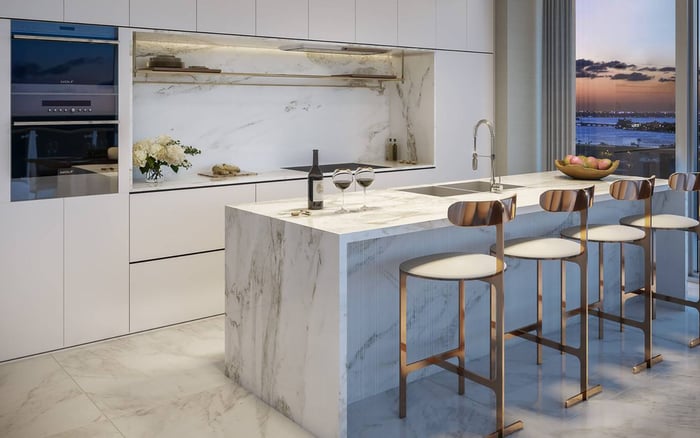
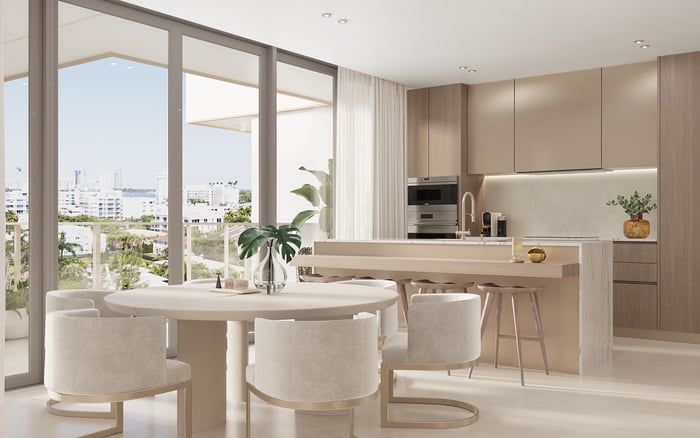
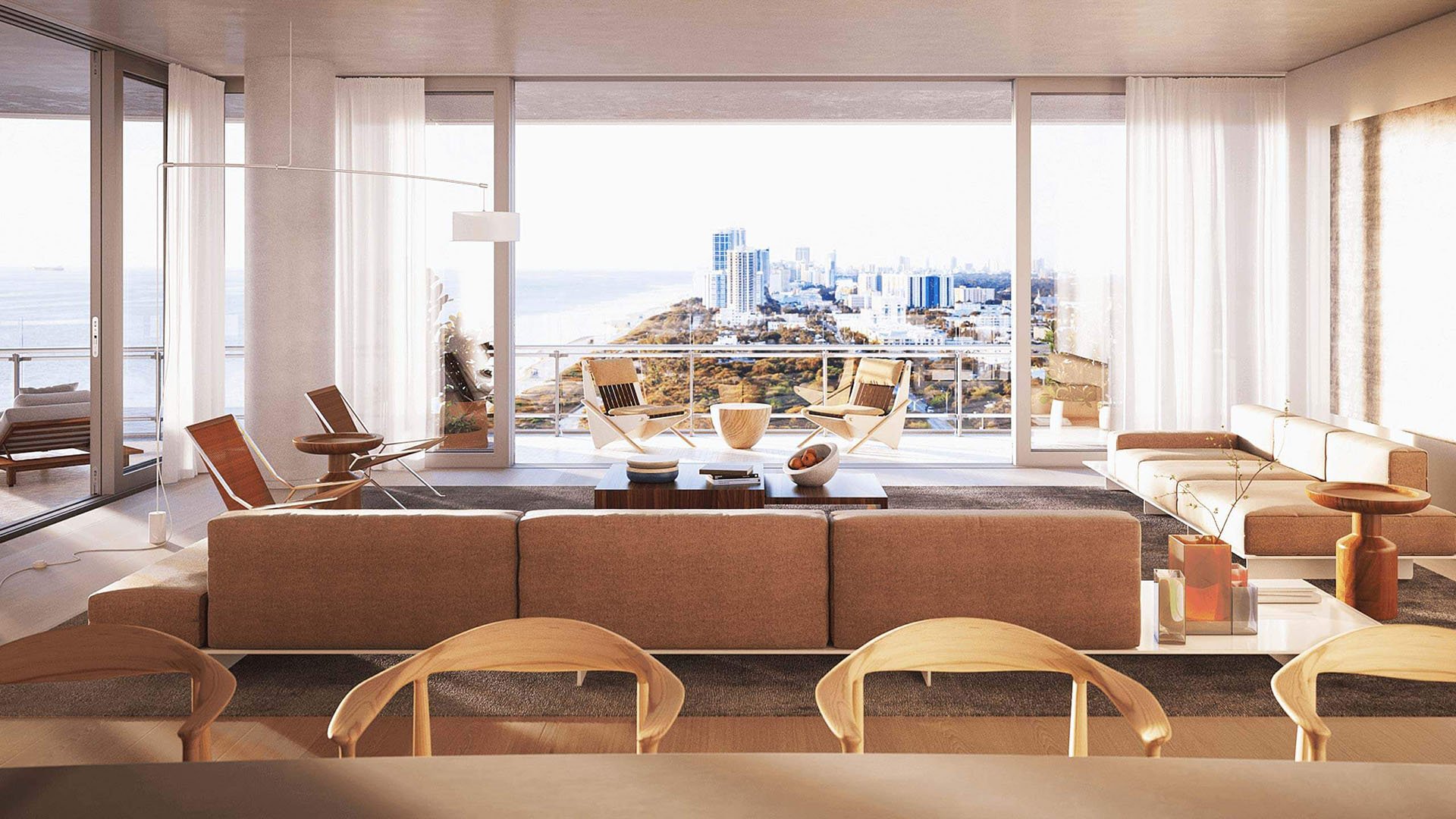
Renzo Piano Building Workshop designed Eighty Seven Park, with landscape design by West 8. The curved facade and extensive glazing connect the architecture with its natural setting. Floor-to-ceiling glass and substantial outdoor spaces carry that intention into the residence, beyond the building’s exterior identity.
The useful question during a viewing is how the architecture performs in the particular home. Assess daylight at different hours, the relationship between interior rooms and terraces, and the balance between outward views and inward visibility. A photograph can establish a composition; it cannot tell you whether a living room feels comfortably private or an outdoor dining area suits your routine.
Treat the glazing and terraces as both lifestyle features and due-diligence subjects. Ask who maintains each component, which alterations require approval, and how repair access is handled. A refined architectural experience is easier to enjoy when its practical responsibilities are clear.
The building sits between an adjoining public oceanfront park and a separate private resident landscape. The stated acreages-a 35-acre public park to the south and a private two-acre park to the north-are marketing figures, not substitutes for surveyed boundaries.
This arrangement can offer a compelling sense of openness. It does not guarantee absolute privacy, permanent views, or immunity from neighboring development. Public landscape and resident-only grounds also serve different purposes. Buyers should understand their respective boundaries, access arrangements, and operating rules rather than treating them as one continuous private estate.
Visit the specific residence at more than one time of day. Consider terrace sightlines, activity in adjoining outdoor areas, and the distinction between a broad outlook and visual seclusion. Ask counsel to examine any claimed view protections rather than assigning value to an assumption.
If Arte Surfside is also on your shortlist, apply the same privacy questions independently. A shared place in a buyer’s search does not establish equivalent landscape rights, outlooks, or ownership obligations.
Advertised amenities include two oceanfront pools, a full-service beach club, fitness and spa spaces, concierge, valet, and wine-storage or tasting areas. Beach offerings include lounge chairs, umbrellas, towel service, and cabanas. These features frame the lifestyle proposition, but confirm their current availability and terms before making a purchase decision.
Request current service schedules, guest policies, reservation procedures, and any separate charges. Clarify whether particular facilities or privileges are included with the residence, assigned separately, or subject to availability. If effortless hosting is a priority, test that expectation against the written rules.
Be especially precise about the phrase private beach. Beach service does not, by itself, establish exclusive ownership of the shoreline. Access rights, service arrangements, fees, and applicable operating restrictions warrant separate review. The relevant luxury is knowing exactly what ownership provides.
The residence count illustrates why condominium documents matter: the stated figures vary between 66 residences and seventy homes. Neither should be treated as the final legal answer. Reconcile the discrepancy through the recorded declaration, amendments, and applicable condominium records.
Then move from the building to the individual purchase. Obtain the survey, unit boundaries, and parking and storage assignments. Confirm whether ancillary spaces are deeded, assigned, or governed through another arrangement, and whether the seller can transfer the rights being represented.
Request responsibility schedules for glazing, terraces, waterproofing, and landscaping. These distinctions can affect both control and expense. The objective is not merely to collect documents, but to establish a consistent account of what you own, what you may use, and what you must maintain.
Architectural authorship and landscape setting can shape buyer preference, but neither establishes a resale premium on its own. Asking prices are invitations to negotiate, not evidence of achieved value. Build the analysis around closed transactions, adjusting for floor, exposure, view, layout, condition, terrace configuration, parking, storage, and assessment liability.
Begin with the closest relevant sales within the building before broadening the comparison. If Fendi Château Residences Surfside enters the discussion, use it to examine differences, not as automatic proof of equivalent value. A useful comparison explains why buyers might substitute one residence for another-and where that substitution breaks down.
The financial review should include current budgets, financial statements, reserves, assessments, insurance policies, and litigation disclosures. Obtain engineering reports, applicable inspection records, and board minutes as well. Read them together: a proposed project in meeting minutes may help explain a budget item or a potential future obligation.
Do not infer current financial strength, structural condition, insurance adequacy, or assessment exposure from the building’s design reputation. Each requires current documentation and appropriate professional review. Nor does this architectural profile establish verified resale performance or predict future appreciation.
The strongest case for Eighty Seven Park is specific: a home whose light, terrace, outlook, and landscape relationship suit the buyer, supported by clear ownership rights and an understood financial position. Neither the architect’s name nor the park setting should substitute for that alignment.
Before committing, reconcile the legal documents with the physical residence and the seller’s representations. Then evaluate the price alongside immediate obligations and potential capital needs. That discipline preserves what makes the property appealing while grounding the acquisition in the realities of ownership.
For a discreet conversation about your oceanfront search, connect with MILLION.
If branded residences are on your mind — as a home or as an allocation — we would be glad to share what we are seeing, privately.
Begin a quiet conversationNo. It is at 8701 Collins Avenue in North Beach, Miami Beach, near Surfside, although Surfside appears in its marketing designation.
Renzo Piano Building Workshop designed the building. West 8 is credited with the landscape design.
Building descriptions identify 66 residences, while the project’s vision language refers to seventy homes. Buyers should reconcile the count through recorded condominium documents.
A curved facade, extensive floor-to-ceiling glazing, and substantial outdoor spaces connect residences with the ocean and surrounding landscape.
No. The adjoining landscape offers openness, but it does not establish absolute privacy, protected views, or immunity from neighboring development.
The 35-acre public park and two-acre private park figures are marketing descriptions. Buyers should consult surveys and legal documents for boundaries.
Advertised offerings include two oceanfront pools, beach services, fitness and spa spaces, concierge, valet, and wine-storage or tasting areas. Current availability and terms require confirmation.
No. Beach service does not establish exclusive shoreline ownership; access rights, operating rules, and fees require separate review.
Request the declaration, amendments, survey, assignments, maintenance responsibilities, financial records, reserves, engineering and inspection records, board minutes, insurance, assessments, and litigation disclosures.
Compare closed transactions by floor, exposure, view, layout, condition, terrace, parking, storage, and assessment liability. Asking prices alone do not establish value.