Onda Bay Harbor pairs boutique waterfront living with operational complexity. For a second-home buyer, disciplined review of insurance, household oversight, marina responsibilities, taxes, and association documents is essential before closing.
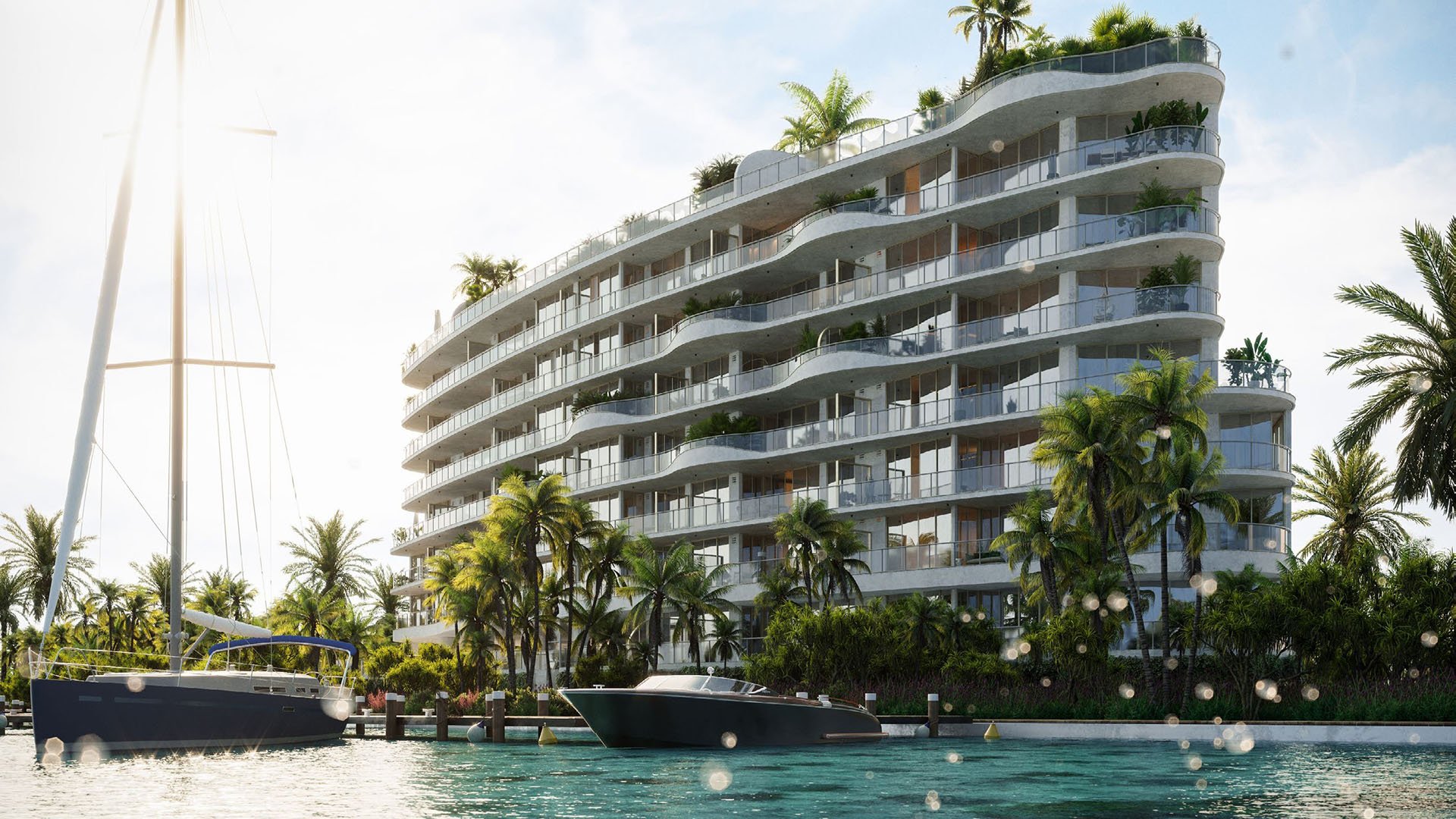
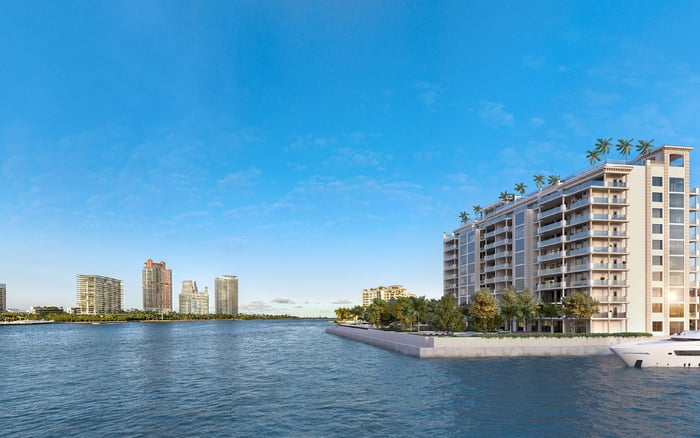
Onda Bay Harbor is an eight-story, 41-residence condominium at 1135 103rd Street in Bay Harbor Islands. Co-developed by CMC Group and Morabito Properties and completed in 2024, the property spans approximately 300 linear feet along Biscayne Bay. Its scale is intimate; its ownership considerations are not.
The appeal is clear. Rooftop spaces include a pool, sundeck, lounge, and summer kitchen overlooking the bay and ocean. Wellness facilities encompass a fitness center, yoga studio, massage rooms, sauna, and steam room. Enclosed parking, EV charging, bicycle storage, private storage, and fiber-to-the-home connectivity address practical needs. Front-desk reception, personalized assistance, 24-hour valet, and video surveillance establish a useful service layer.
For an owner who spends months elsewhere, however, amenities do not replace a private operating plan. In a buyer's working file, labels such as Bay-harbor, Waterfront, Marina, and Second-home should prompt three distinct reviews: risk transfer, property oversight, and tax treatment.
A second home should be managed as an operating asset, not merely furnished as an occasional residence.
Insurance review should begin at the boundary between the condominium association's master policy and the owner's HO-6 policy. Before closing, compare the master policy's limits, covered building components, exclusions, and deductibles with an HO-6 quotation covering unit interiors, contents, loss of use, and personal liability. The objective is to identify gaps before a claim-not after one.
Named-storm and hurricane deductibles warrant separate attention under both policies. An insurance adviser should translate those provisions into the owner's potential out-of-pocket exposure. That analysis should account for the condominium documents and any circumstances in which association costs could reach individual owners.
Flood requires a separate review. Obtain the property's flood-zone determination, then confirm the association flood policy's limits, deductibles, and covered components. Custom finishes, art, electronics, and other valuable contents may warrant separate flood-contents protection or scheduled property endorsements. Coverage decisions depend on the owner, unit, lender, and current policy language; assumptions based on purchase price alone are inadequate.
Extended vacancy changes the conversation. Disclose anticipated periods of non-occupancy and determine whether documented inspections, leak detection, automatic water shutoff, or environmental monitoring affect coverage. The insurer should also understand who can enter the residence, how an incident is escalated, and how quickly a qualified vendor can respond.
Buyers comparing boutique island options such as Alana Bay Harbor Islands should apply the same building-versus-unit analysis while recognizing that each association's documents, insurance program, deductibles, and operating rules are property-specific.
Onda's boating proposition adds another layer. The private marina is variously described as having 14 or 15 slips, with one description noting accommodations for boats from 36 to 60 feet. A buyer should rely on the declaration, marina rules, and closing documents to verify the current slip count, dimensions, allocation, deed or license structure, transferability, and recurring fees.
The marina provides direct ocean access through Haulover Inlet, while a residents' water-sports dock offers access to kayaks, paddleboards, and other equipment. Those lifestyle benefits do not mean the condominium policy protects an owner's vessel. A separate boat or yacht policy should be evaluated for hull damage, liability, pollution, towing, navigation limits, and named storms.
Marina users also need a written boat-management plan covering captain services, detailing, maintenance, insurance documentation, and hurricane-season mooring or haul-out arrangements. The same diligence applies when evaluating nearby waterfront residences such as La Maré Bay Harbor Islands, although the governing documents and facilities require independent review.
Onda's front desk, valet, and security provide an important service base, but a second-home owner should confirm the limits of that support in writing. Will staff accept deliveries, admit contractors, hold keys, coordinate emergency entry, or conduct unit checks? A polished lobby presence should never be mistaken for a private estate-management mandate.
A written operating plan should assign responsibility for HVAC servicing, humidity control, plumbing inspections, appliance checks, vendor access, and pre-arrival preparation. It should identify who is authorized to approve work, establish a spending threshold for urgent repairs, and define the communication chain when the owner is abroad or otherwise unavailable. Depending on the owner's preferred level of service, a household manager, personal assistant, cleaning team, or local property-oversight provider can execute the plan.
The most effective cadence is established before the first long absence. Set the inspection frequency in consultation with the insurer, retain service records, and define the evidence required after each visit. For owners also considering Origin Bay Harbor Islands, this staffing framework remains useful: the central question is not simply which amenities exist, but who protects the private residence while it is unoccupied.
A condominium used as a second home generally does not qualify for Florida's homestead exemption or the Save Our Homes cap because those benefits are tied to a primary Florida residence. Florida's non-homestead assessment cap generally limits annual assessment increases on second homes and vacation properties to 10 percent, subject to exceptions that include ownership changes and improvements. A Florida tax adviser should confirm the treatment for the buyer's circumstances and intended ownership structure.
Property taxes and condominium assessments should be modeled independently. Onda's 41 residences support labor- and maintenance-intensive amenities, including the marina, rooftop pool, spa facilities, valet, and security. The diligence package should therefore include the current budget, reserve study, recent meeting minutes, insurance certificates, deductibles, and claims history. Rather than relying on a single headline estimate, buyers should assess how recurring operations and future obligations may affect carrying costs.
If rental income forms any part of the plan, verify rental restrictions before underwriting revenue. Tax advice should address rental income, ownership structure, and an eventual sale. A second home, occasional rental, and primary residence are not interchangeable categories.
The final file should combine insurance quotations, the master-policy summary, flood information, marina documents, tax guidance, staffing authorizations, vendor contacts, and emergency procedures. It should also assign responsibility for pre-arrival preparation and post-departure shutdown. For Onda Bay Harbor, the defining principle is clear: the purchase is complete only when the residence can be protected and operated during the owner's absence.
For discreet guidance on South Florida's finest residences, connect with MILLION.
If branded residences are on your mind — as a home or as an allocation — we would be glad to share what we are seeing, privately.
Begin a quiet conversationWaterfront exposure, extended vacancy, condominium policy boundaries, and possible marina use create distinct risks that should be reviewed separately.
Buyers should evaluate coverage for unit interiors, contents, loss of use, and personal liability alongside the association's master policy.
Named-storm or hurricane deductibles may apply under both association and unit policies, affecting the owner's potential out-of-pocket cost.
Yes. The owner should disclose expected vacancy and confirm any requirements involving inspections, leak detection, water shutoff, or environmental monitoring.
Owners should not assume it does. A separate boat or yacht policy should address hull, liability, pollution, towing, navigation, and named-storm risks.
Published descriptions differ between 14 and 15 slips, so buyers should verify the definitive count and allocation in the condominium and marina documents.
That should be confirmed in writing. Front-desk, valet, and security services do not automatically include private unit inspections or vendor supervision.
It should assign HVAC service, humidity control, plumbing and appliance checks, vendor access, emergency response, and pre-arrival preparation.
Generally, no. Florida homestead exemption and the Save Our Homes cap are tied to a qualifying primary Florida residence.
Review the association budget, reserve study, meeting minutes, insurance certificates, deductibles, claims history, and applicable marina documents.