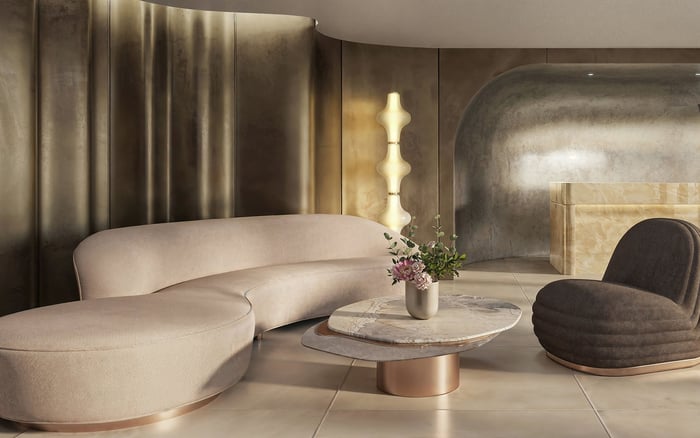
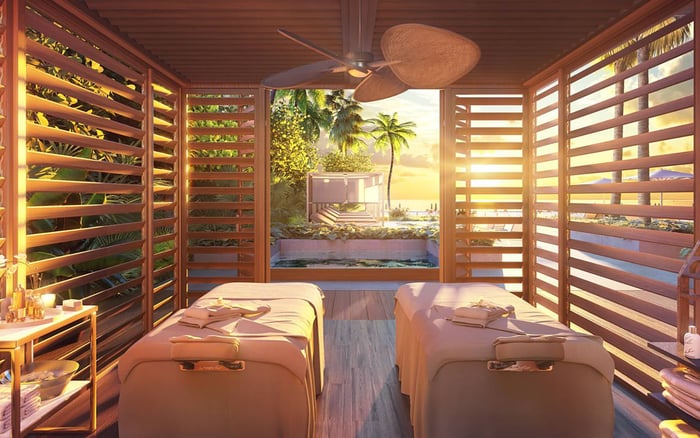
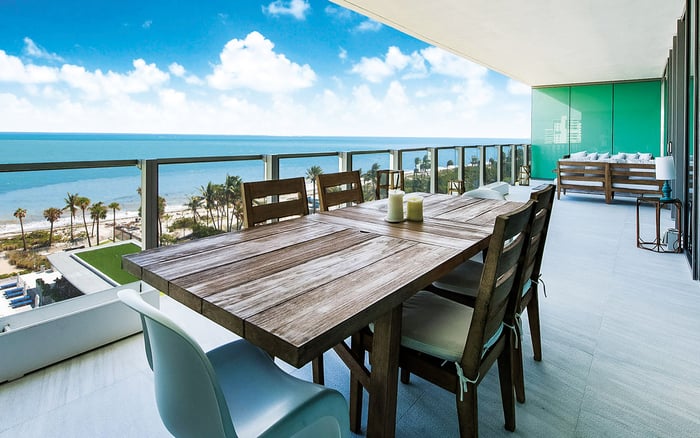
A buyer-oriented comparison of Oceana Key Biscayne and Auberge Beach Residences & Spa Fort Lauderdale through the lens of building culture, service depth, elevator privacy, and owner-only amenities.
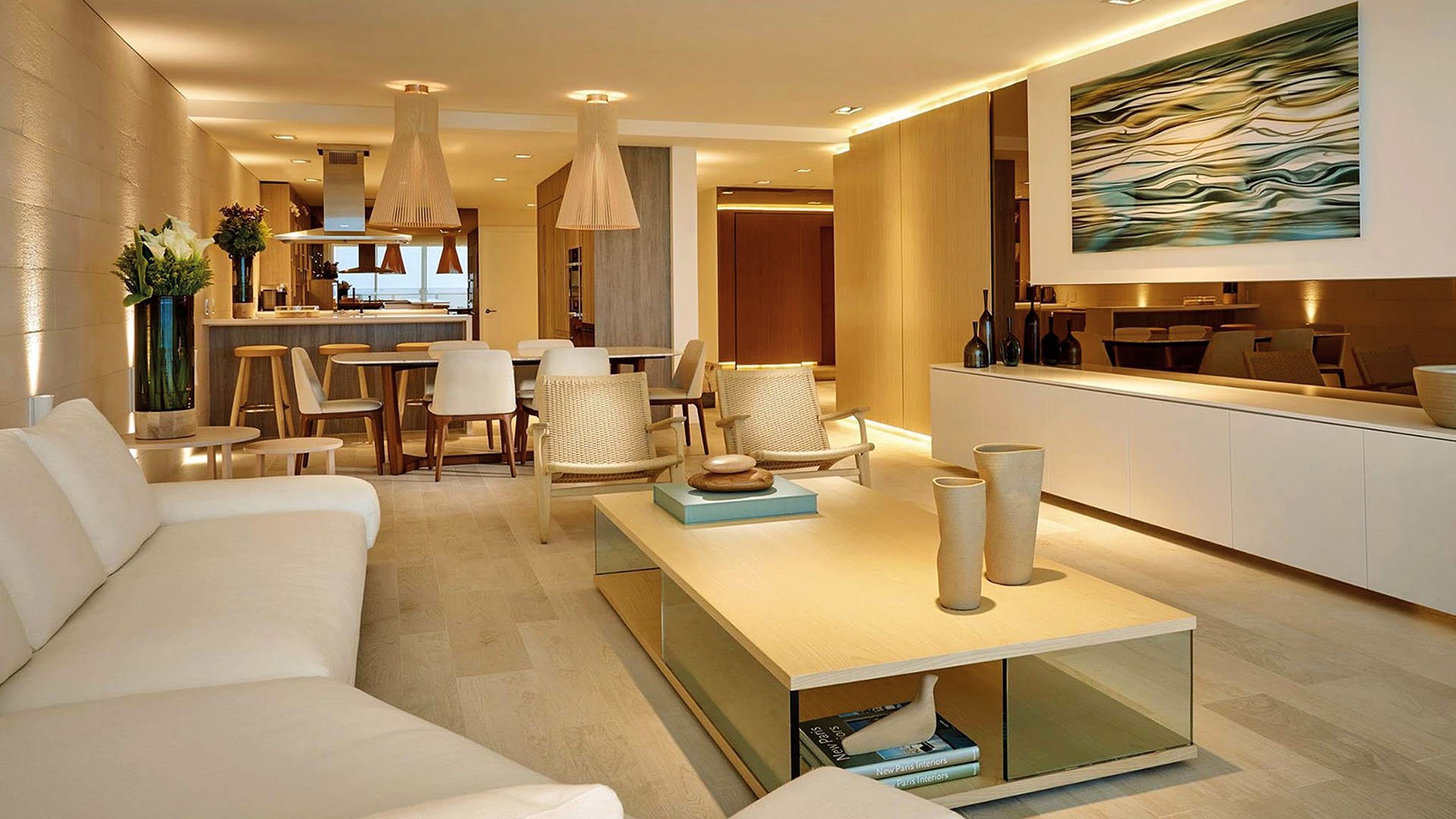
At the ultra-luxury edge of South Florida real estate, two residences can appear similar on paper yet feel materially different the moment an owner returns home. That difference is building culture: the combined effect of operating philosophy, architectural rhythm, staffing style, privacy norms, and the way residents actually use shared spaces.
Oceana Key Biscayne and Auberge Beach Residences & Spa Fort Lauderdale belong in the same buyer conversation because both ask purchasers to think beyond square footage. A residence is not only a private interior. It is also a daily sequence of arrivals, greetings, elevator rides, amenity visits, guest management, and moments of quiet transition.
For buyers comparing the two, the sharper question is not which building sounds more luxurious. It is which building’s culture will make ownership feel more intuitive after the novelty of the closing has passed.
South Florida condominium living is not a single category. Key Biscayne and Fort Lauderdale frame two distinct versions of coastal ownership, each with its own emotional tempo. Oceana Key Biscayne reads as an island-oriented residential choice for buyers who may value calm, composure, and a more insulated sense of return.
Auberge Beach Residences & Spa Fort Lauderdale occupies a different cultural lane. Its name and positioning naturally invite a broader service conversation, especially for buyers who want a residence where hospitality language, wellness expectations, and waterfront daily life are evaluated together.
That distinction matters for owners who divide time between homes. The right building should reduce friction. If a buyer wants stillness and a quieter residential rhythm, Oceana Key Biscayne may align with that instinct. If the buyer wants a more service-forward Fort Lauderdale setting, Auberge Beach Residences & Spa Fort Lauderdale may feel more natural.
Service depth is often misunderstood. It is not simply the number of people behind a desk or the scale of an amenity program. In the best buildings, service depth is measured by memory, restraint, anticipation, and consistency. It is the difference between being noticed and being handled.
At Oceana Key Biscayne, the ownership comparison can be framed around discreet residential refinement. Buyers should ask whether service supports privacy rather than announcing itself. For many ultra-premium purchasers, that is the point: the building should feel composed, predictable, and residential first.
At Auberge Beach Residences & Spa Fort Lauderdale, service depth is central to the comparison because buyers may expect a more hospitality-inflected environment. The important question is how that translates into daily life. Does the building feel polished without feeling public? Are shared spaces managed in a way that preserves owner comfort? Is the service presence attentive but not intrusive?
A boutique sensibility can exist in either model, but it must be authentic. The most successful buildings do not over-serve. They establish a code, then execute it so consistently that the owner stops thinking about logistics.
Elevator privacy is one of the quietest forms of luxury, and one of the most revealing. In a trophy condominium, the journey from arrival area to residence shapes how secure, relaxed, and unseen an owner feels. For Oceana Key Biscayne and Auberge Beach Residences & Spa Fort Lauderdale, vertical circulation belongs at the center of the comparison because it is where architecture meets etiquette.
Buyers should resist reducing this topic to hardware alone. The practical questions are broader. How does the arrival sequence feel at active times of day? Is there a sense of separation between owners, guests, service activity, and amenity traffic? Does the route home preserve composure after a public evening, a beach day, or a long flight?
In the resale conversation, elevator privacy often becomes more important after the first tour. A dramatic view may win attention, but the private arrival sequence sustains long-term satisfaction. In the investment conversation, it can also influence perceived prestige because sophisticated buyers understand that privacy is not only about walls. It is about flow.
Owner-only amenities are not merely features. They are expressions of a building’s social contract. The question is who the building is designed to privilege in everyday use. A pool deck, lounge, wellness space, or waterfront environment can feel entirely different depending on whether it is governed by owner-first norms, guest-heavy activity, or a more transient energy.
Both Oceana Key Biscayne and Auberge Beach Residences & Spa Fort Lauderdale should be assessed through this lens. The relevant issue is not to count amenities, but to understand their culture. Are they places where owners linger, or spaces shown beautifully on a tour but used lightly in real life? Do residents treat them as extensions of the home, or as occasional conveniences? Is the atmosphere social, silent, family-oriented, wellness-led, or hospitality-driven?
The strongest owner-only amenity programs create belonging without pressure. They allow residents to participate without performing. For South Florida buyers with multiple homes, that distinction is decisive. An amenity program should make the property easier to inhabit, not busier to manage.
When comparing these two buildings, buyers should begin with self-knowledge. The right answer depends less on market chatter and more on daily patterns. A buyer who prizes a restrained island mood may prioritize Oceana Key Biscayne. A buyer who wants a polished residence with a more service-forward Fort Lauderdale identity may gravitate toward Auberge Beach Residences & Spa Fort Lauderdale.
Touring should be sensory and behavioral, not just visual. Notice how staff greet residents. Observe whether amenity areas feel protected or performative. Consider the elevator path as carefully as the view. Ask how the building manages guests, deliveries, service providers, and seasonal intensity. These questions reveal the culture behind the finishes.
At this level, luxury is not louder. It is more specific. The best building is the one whose habits match the owner’s habits, whose service model feels natural, and whose privacy standards make the residence feel effortless every time the door closes.
What is the main difference between Oceana Key Biscayne and Auberge Beach Residences & Spa Fort Lauderdale? The comparison is best understood through building culture, not only design. Oceana Key Biscayne may read as quieter and more residential, while Auberge Beach Residences & Spa Fort Lauderdale may invite a more service-forward interpretation.
Why does building culture matter in ultra-luxury condominiums? Building culture shapes how service, privacy, amenities, and resident behavior feel in daily life. It can determine whether a residence feels effortless after the initial purchase excitement fades.
Is service depth the same as having many amenities? No. Service depth is about consistency, anticipation, discretion, and operational polish, while amenities are the physical or programmed spaces that support the lifestyle.
Why is elevator privacy important for luxury buyers? Elevator privacy affects the psychology of arrival and departure. It helps define whether an owner feels protected, unhurried, and separate from unnecessary traffic.
How should buyers evaluate owner-only amenities? Buyers should study how amenities are actually used, who they primarily serve, and whether the atmosphere feels residential, social, wellness-led, or hospitality-oriented.
Does a quieter building culture always mean better privacy? Not always. Privacy depends on arrival design, staffing norms, guest management, amenity flow, and how consistently the building protects the owner experience.
Which building may suit a quieter ownership rhythm? Buyers seeking a calmer, more insulated coastal rhythm may find Oceana Key Biscayne aligned with that preference. Personal touring remains essential.
Which building may suit a service-forward residential lifestyle? Buyers who value a polished, hospitality-inflected atmosphere may be drawn to Auberge Beach Residences & Spa Fort Lauderdale. The key is whether the service feels natural rather than intrusive.
Should buyers compare these buildings by price per square foot first? Price matters, but it should not be the first filter at this tier. Privacy, service culture, and amenity governance often define long-term satisfaction more clearly.
What should a buyer observe during a private tour? Watch the arrival sequence, staff-resident interactions, elevator flow, amenity atmosphere, and the degree of calm throughout the property. These details reveal the building’s real culture.
To compare the best-fit options with clarity, connect with MILLION.
If branded residences are on your mind — as a home or as an allocation — we would be glad to share what we are seeing, privately.
Begin a quiet conversation