The right waterfront exposure is less about choosing a superior view than matching your daily rituals, access needs, orientation, and property-specific risk. A considered comparison of ocean and bay living starts with the residence, not the label.
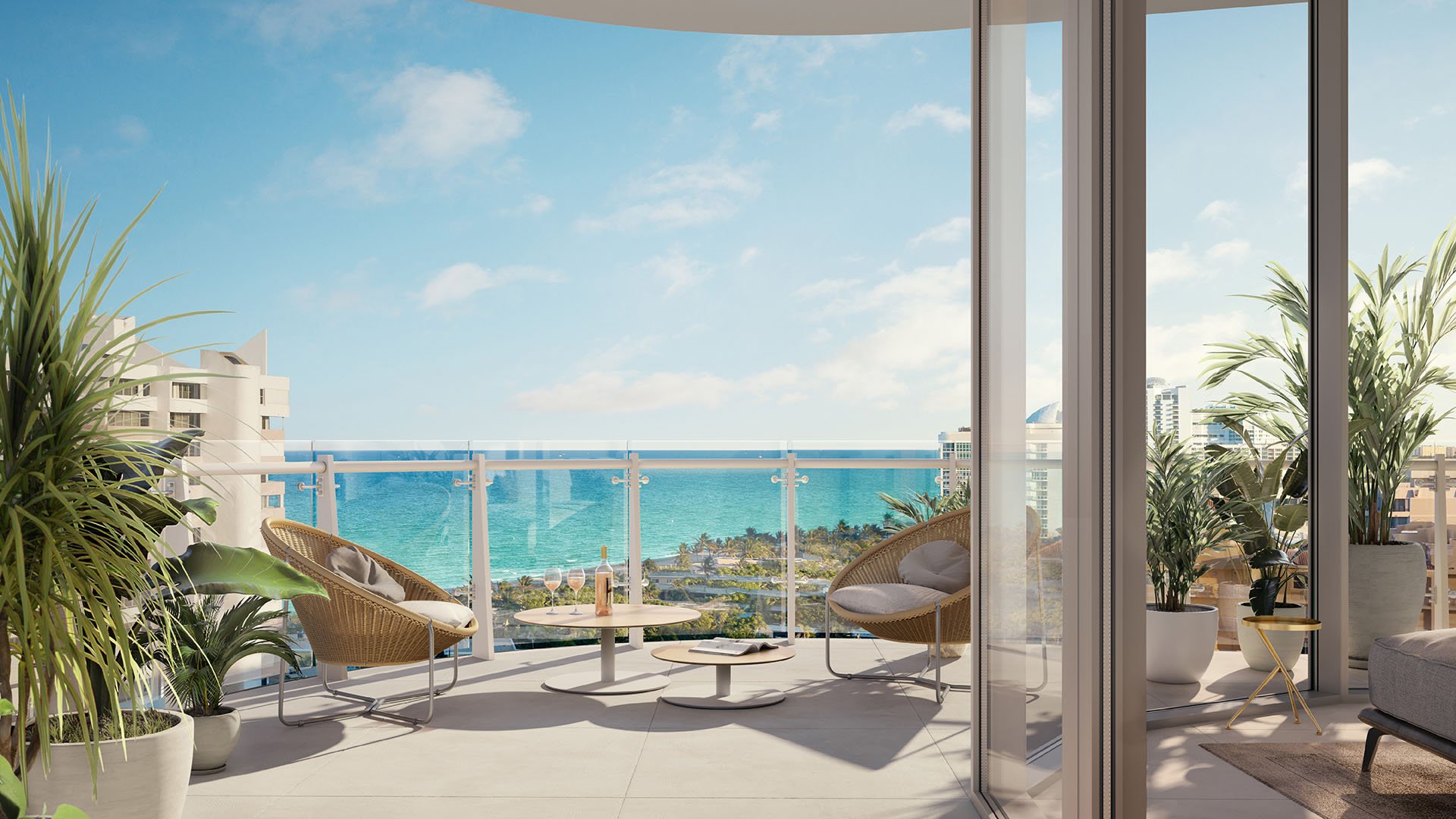
The most persuasive waterfront residence is not necessarily the one with the most dramatic photograph. It is the one whose relationship to the water feels right on an ordinary Tuesday. For one buyer, that means a beach walk before breakfast. For another, it means watching an inland waterway or planning time aboard a boat. Those preferences deserve more weight than a simple ocean-versus-bay verdict.
Start by separating three questions: What will you see, what can you access, and how will you use it? An ocean view does not establish beachfront access. A bay view does not establish dock rights. Even an exceptional panorama can be the wrong fit if the activities you value depend on arrangements the residence does not provide.
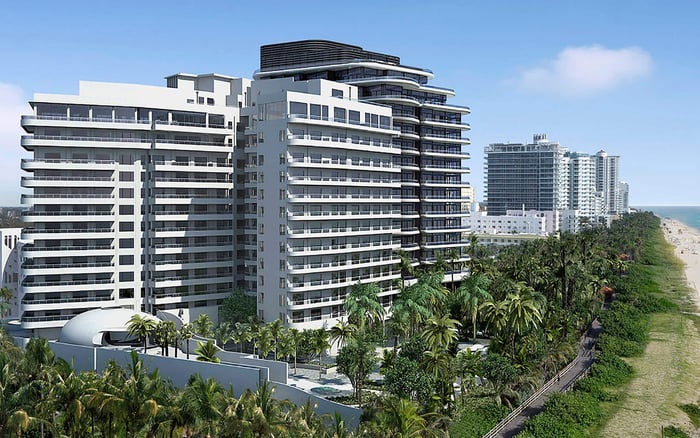
If walking the shoreline is central to your routine, prioritize the practical relationship between the residence and the beach. Bal Harbour offers a concrete example of the Atlantic-oriented lifestyle, with beaches and oceanfront walking routes. The buying question is not simply whether blue water appears beyond the glass, but how you reach the shoreline and whether that route suits your habits.
Distinguish ocean-view from oceanfront in every comparison. Then verify the access arrangement rather than treating either description as a complete explanation. Make the journey from the residence to the beach yourself. A short visit can clarify whether the home supports spontaneous use or demands more planning than you want.
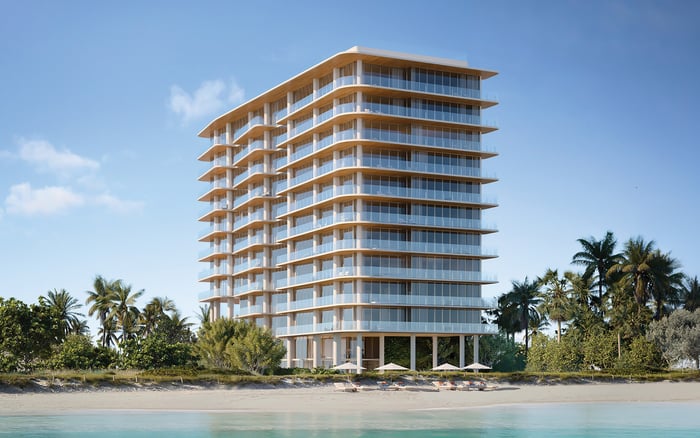
When considering Rivage Bal Harbour, focus on the particular residence, its sightlines, and the access arrangements that apply. A project name is a starting point for inquiry, not a substitute for unit-level confirmation.
A bay-oriented search should begin with what attracts you to inland water: the composition of the view, the possibility of boating, or simply the pleasure of living near it. These are distinct priorities. A buyer who enjoys looking at boats does not necessarily need the same property rights as one who intends to keep a boat nearby.
Bal Harbour also illustrates the inland-waterway alternative, with a residential area where many estates offer water access. That does not make access universal or turn every water-facing property into a boating solution. Bayfront and bay-view descriptions still require careful interpretation.
If boating is essential, confirm whether a dock or slip arrangement exists, what rights accompany the purchase, and which restrictions apply. For a shortlist that includes Bay Harbor Towers, assess the outlook and access separately. Neither should be inferred from the other or assumed from a rendering or broad waterfront description.
Ocean does not automatically mean sunrise, and bay does not automatically mean sunset. The residence's actual orientation and sightlines determine what you can see. Treat light as a unit-specific characteristic, not a benefit that comes with a waterfront category.
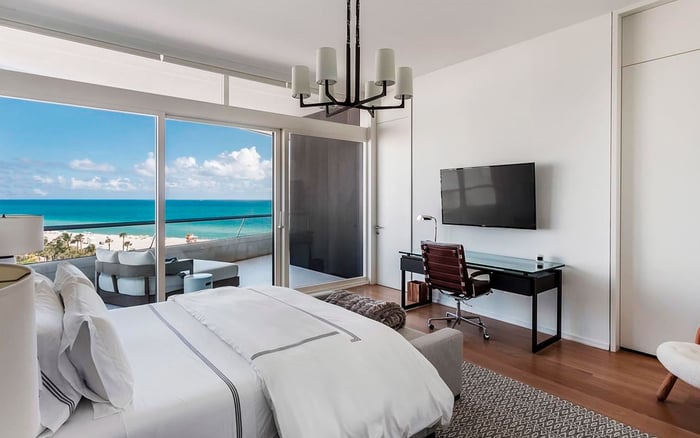
Schedule viewings around the hours you expect to be home. Stand where you would have breakfast, work, or spend the evening. Look from inside as well as from the terrace, and consider whether the water remains part of the experience from the rooms you will use most.
For a Miami Beach search that includes The Perigon Miami Beach, ask for the precise orientation of each residence under consideration. Compare actual sightlines rather than carrying impressions from one unit to another. The right exposure should support your preferred hours, not require you to rearrange them.
Neither ocean nor bay exposure guarantees low flood risk. Miami-Dade is susceptible to major rainfall and storm surge, with ocean, bay, rivers, lakes, and canals all contributing to its vulnerability. In Miami, properties near coastal areas, the river, and canals can be prone to flooding. An inland-facing outlook is therefore not a reliable shorthand for reduced risk.
For a Miami-Dade purchase, review both the FEMA flood designation and the storm-surge planning zone. They are different systems. The county's five storm-surge planning zones, A through E, address exposure under different hurricane categories. A planning zone identifies an area potentially affected by surge of 1.5 feet or higher; Zone A identifies areas at risk from Category 1 hurricanes and stronger storms.
FEMA Zone VE identifies coastal high-hazard areas with additional storm-wave risk. Where that designation applies, wave exposure deserves specific attention. Mandatory flood-insurance requirements can also apply in high-risk zones, depending on financing and applicable rules. Do not translate either a view category or a zone label into an assumed insurance price.
Use address-level mapping and examine ground elevation alongside flood-zone, storm-surge, and sea-level-rise layers. Evacuation or shelter-in-place instructions depend on projected storm track and surge, not whether the living room faces ocean or bay. These Miami-Dade designations are not a universal system across South Florida; check the applicable local guidance elsewhere.
Use the same questions for every candidate. What is visible from the principal living spaces? Which direction does the residence face? What access is actually included? Which property-specific flood and storm-surge designations apply? A consistent comparison keeps a compelling view from eclipsing a practical mismatch.
If your broader search includes Una Residences Brickell, use the same checklist rather than assuming a different neighborhood changes the standard of review. Ask for documentation of relevant rights and arrangements, and separate confirmed details from expectations.
Avoid choosing on an assumed price premium, insurance saving, maintenance advantage, quieter setting, or greater privacy. None should be assigned to ocean or bay exposure as a blanket rule. Evaluate each consideration for the actual property and your intended use.
Choose ocean exposure if the beach is the experience you want to build your days around, subject to verified access. Choose bay exposure if the inland-water outlook better suits your preferences, with boating rights confirmed separately where needed. If both appeal, let the individual residence's orientation, usable views, and documented arrangements decide.
The best choice is the one whose pleasures you will return to, with obligations you understand before committing.
For a considered approach to your South Florida waterfront search, explore MILLION.
If branded residences are on your mind — as a home or as an allocation — we would be glad to share what we are seeing, privately.
Begin a quiet conversationNeither is inherently better. Choose based on your daily routines, the residence's actual outlook, verified access, and property-specific obligations.
No. Confirm the beach-access arrangement independently of the advertised view.
No. A bay view does not establish dock rights or a marina slip, which require separate verification.
No. Sunrise visibility depends on the residence's actual orientation and sightlines.
No. Confirm the direction and unobstructed sightlines of the specific residence rather than relying on its bay-view description.
No. Neither ocean nor bay exposure guarantees low flood risk, and inland waterways can also be relevant to flooding.
No. They are different designations, and buyers should check both for the specific address.
Zone A identifies areas at risk from Category 1 hurricanes and stronger storms. Miami-Dade's storm-surge planning zones run from A through E.
Zone VE identifies coastal high-hazard areas with additional risks from storm waves. That designation makes wave exposure an important property-specific due-diligence issue.
Mandatory flood-insurance requirements can apply in high-risk flood zones, depending on financing and applicable rules. An ocean or bay view alone does not establish the requirement or cost.