Miami’s waterfront premium belongs to the individual sightline, not simply the address. Compare ocean and bay exposures through matched residences, view permanence, daily use, and the financial condition of the building.

In Miami, the choice between ocean and bay is more than a preference for sunrise or sunset. It is a valuation question: how much of the purchase price belongs to the residence itself, and how much to what lies beyond the glass? For a luxury buyer, that distinction deserves the same scrutiny as the floor plan or the building’s financial position.
Direct oceanfront, open Biscayne Bay, and Intracoastal exposures are not interchangeable. Nor is a narrow glimpse of water equivalent to a continuous horizon. The strongest purchase is not necessarily the one with the most prestigious description. It is the residence whose price reflects the quality, usability, and durability of its actual outlook.
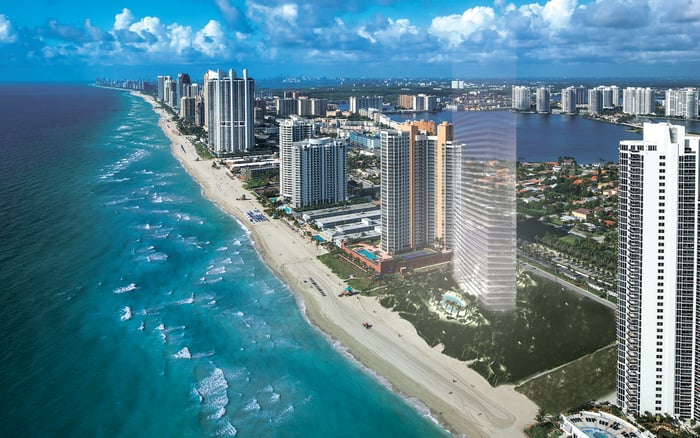
An unobstructed ocean exposure offers a particular kind of luxury: an open horizon, sunrise appeal, and, in an oceanfront setting, a connection to beachfront living. That combination can make direct ocean frontage a trophy feature. But the word “ocean” alone does not establish the appropriate premium.
Bay exposure offers a different composition. Depending on orientation and location, the view may combine islands, skyline, sunsets, and calmer-water scenery. A wide, unobstructed bay panorama can compete with an ocean exposure interrupted by neighboring structures. Privacy matters, too: a water view framed by nearby windows is a different experience from an open outlook.
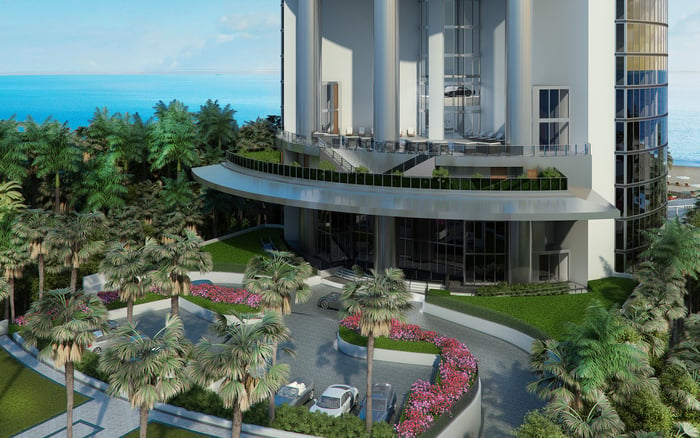
For buyers considering Sunny Isles Beach residences such as St. Regis® Residences Sunny Isles, the useful question is which specific residence delivers the desired exposure. Project identity should begin the search, not settle the valuation.
Start with the same stack, or the closest equivalent, rather than a building-wide price-per-square-foot average. Averages can blend direct ocean, partial water, and obstructed exposures into a figure that describes none of them particularly well.
Then separate the components of the comparison. Are the residences similar in size and layout? Are renovations comparable? Do the balconies offer similar configurations, and does the window line deliver the same breadth of water? Account for differences in parking, recurring fees, floor, and condition before assigning the remaining price difference to the view.
Establish a baseline from closely comparable residences, account for identifiable unit differences, and then assess what additional price the superior exposure supports. Do not treat the entire gap between two asking prices as a view premium.
Do not assume a single ocean-versus-bay percentage applies across Miami. A localized indication is not a citywide adjustment, and an ocean-versus-city comparison cannot establish an ocean-versus-bay premium. When the comparables are weak, acknowledge that uncertainty in the offer rather than disguising it with a precise percentage.
Floor number is an incomplete proxy for view quality. A lower residence with a clear outlook can be more desirable than a higher one looking into another structure. The relevant measure is the actual sightline, not the apparent prestige of the elevation.
During a visit, assess the outlook from the living room, primary bedroom, and principal balcony seating areas. Consider how much water is visible while seated, not just while standing at the glass. Distinguish a broad view available throughout a room from one revealed only at a particular angle.
In Miami Beach, a search that includes The Perigon Miami Beach should retain that residence-level discipline. Evaluate the proposed or existing window line, balcony configuration, and neighboring context rather than assuming every exposure within one project deserves the same treatment.
Brickell and Edgewater should not be priced merely as alternatives for buyers who declined the beach. Their water-and-skyline combinations are distinct offerings, and the comparable set should reflect that distinction.
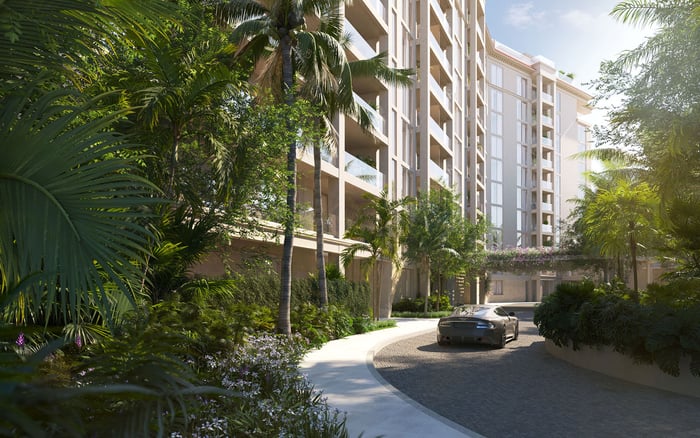
A buyer considering Una Residences Brickell should first establish how the particular residence compares with relevant Brickell alternatives. The question is whether its outlook and overall accommodation justify the price within that market-not what discount it represents to an unrelated beachfront residence.
The same reasoning applies to an Edgewater search that includes Aria Reserve Miami. Judge the breadth of water, skyline composition, privacy, and obstructions at the unit level. A compelling bay panorama deserves its own analysis, not an automatic position below every residence marketed with an ocean view.
An open outlook today does not, by itself, establish permanence. Before paying a meaningful premium, investigate nearby vacant parcels, zoning, height limits, approved projects, and neighboring development rights. The analysis should address what could occupy the sightline, not simply what is visible during a showing.
Ask the appropriate professionals to distinguish an existing obstruction from potential future development. A currently unobstructed view and one supported by stronger evidence of permanence are not the same proposition. Any unresolved question should remain explicit in the purchase decision.
This is where a protected bay panorama may offer better value than a compromised ocean alternative. The comparison becomes especially important when the ocean-facing residence carries obstruction risk, reduced privacy, or uncertainty about neighboring development. Pay for the outlook you can reasonably expect to enjoy, not an unsupported promise of permanence.
The view premium is only one part of waterfront ownership. Assess coastal-weather exposure by examining glazing, balconies, drainage, and signs of corrosion, alongside the building’s maintenance history. An attractive outlook does not remove the need for technical diligence.
Flood and wind insurance warrant separate review. Examine the property’s flood-zone designation, coverage terms, and deductibles, and obtain property-specific and association-level information. Do not assume an estimate for a waterfront house describes an individual condominium owner’s obligations.
Review master insurance, reserves, claims history, engineering reports, special assessments, and required structural work. These items belong beside the purchase price when evaluating two otherwise appealing residences. A less expensive exposure is not necessarily better value if the association introduces substantial financial uncertainty.
The final decision should bring three questions together: Is the view genuinely superior for your daily life? Is the premium supported by relevant comparables? Does the building’s financial and physical condition support the commitment? Ocean and bay can both justify an exceptional purchase, but neither label should substitute for those answers.
For a considered approach to Miami’s oceanfront and bayfront residences, explore MILLION.
If branded residences are on your mind — as a home or as an allocation — we would be glad to share what we are seeing, privately.
Begin a quiet conversationNo. A wide, unobstructed bay panorama can compete with a compromised ocean exposure, particularly when privacy, skyline scenery, and view permanence favor the bay residence.
Do not assume a universal adjustment applies. Test any premium against closely comparable residences in the relevant building and market.
Start with the same stack or the closest equivalent. Building-wide averages can conceal significant differences between direct, partial, and obstructed water views.
No. A lower-floor residence with an open sightline can be more desirable than a higher-floor residence obstructed by another structure.
Consider renovations, layout, floor, balcony configuration, window line, parking, fees, and obstructions. These differences can explain part of the price gap between residences.
Review nearby vacant parcels, zoning, approved projects, height limits, and neighboring development rights with appropriate professionals. An open view today is not proof that it will remain unchanged.
Brickell bay-view residences should first be evaluated within their own market. Their water-and-skyline combinations are distinct from beachfront living.
Assess sightlines from principal rooms and balcony seating areas, including obstructions and privacy. Technical diligence should also address glazing, balconies, corrosion, drainage, and maintenance history.
Yes. Review flood-zone designation, coverage terms, and deductibles, using property-specific and association-level information rather than assumptions drawn from single-family homes.
Review master insurance, reserves, claims history, engineering reports, special assessments, and required structural work. These obligations belong alongside the purchase price in the value assessment.