A discreet guide for California buyers using Ocean House Surfside as the residential anchor for a more deliberate approach to Surfside living.
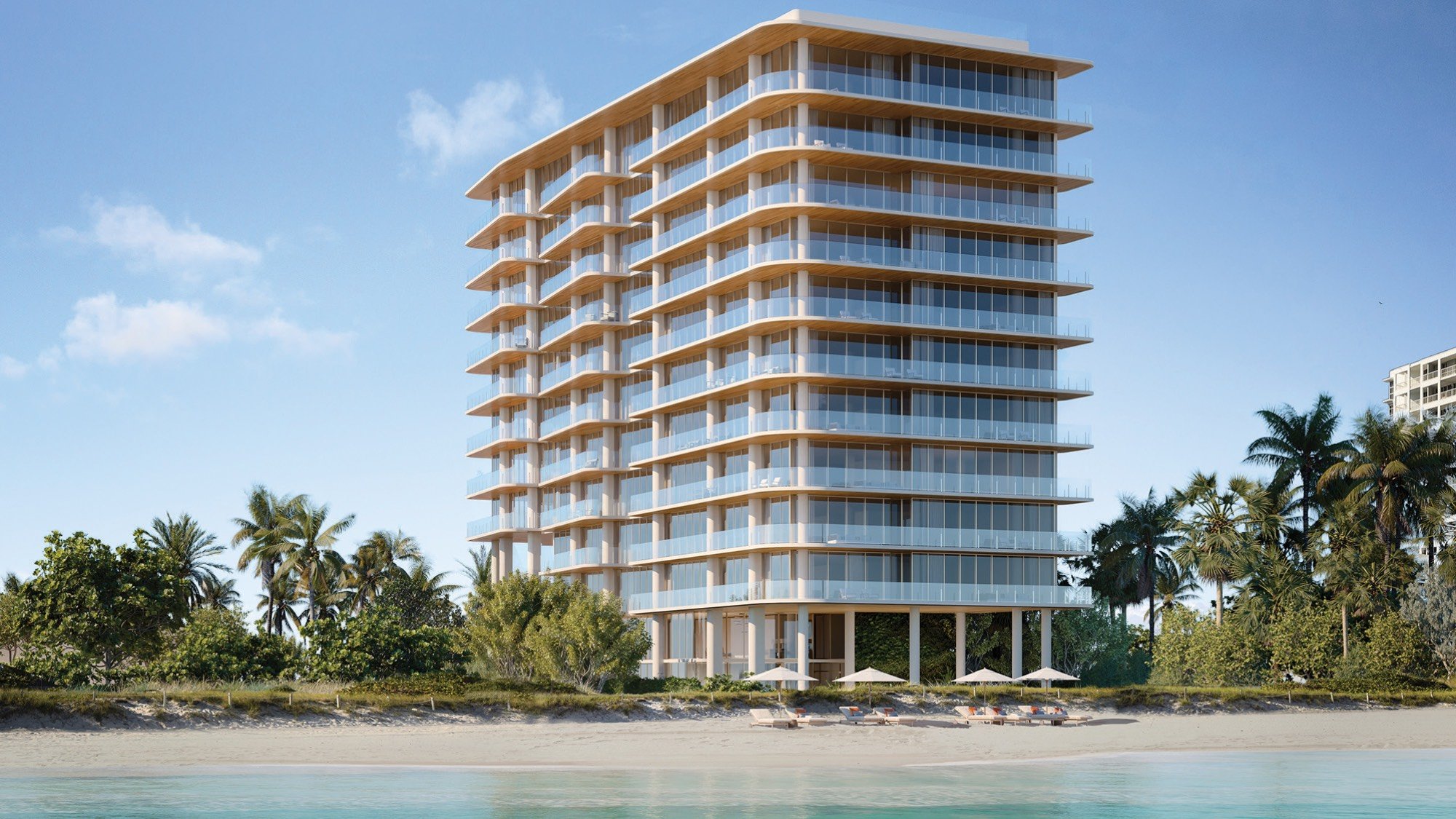
For buyers moving from California, the most productive Surfside search begins with a simple question: what should daily life feel like when the setting becomes South Florida? Ocean House Surfside anchors this guide, but the larger decision is not only about a residence. It is about choosing a more deliberate rhythm, a more edited environment, and a home that supports privacy without feeling detached from the life around it.
That distinction matters. A move from California can too easily become a comparison of coastlines, architecture, climate, and perceived convenience. A more refined approach avoids broad generalizations and tests the day itself: how you wake, where you work, how you host, how often you travel, how much service you expect, and how much visual calm you want from the home.
Ocean House Surfside should be treated as the residential center of gravity for this conversation. It gives the search a clear point of reference: Surfside first, intentional living first, and only then a comparison with other South Florida options.
California buyers often arrive with strong preferences already formed. They may know how they like natural light, how much terrace space matters, how private an arrival should feel, and whether a building should read as social, serene, or nearly invisible. Those instincts are valuable, but they need to be translated rather than simply transferred.
The most successful relocation searches do not ask whether Surfside is a substitute for a California address. They ask whether the buyer wants a different residential thesis. In that context, Surfside is not a consolation choice. It is a more focused one, especially for buyers who want the ocean to shape the mood of home without making the entire lifestyle feel performative.
This is where Ocean House Surfside becomes useful as an anchor. A buyer can use it as a lens for evaluating privacy, scale, service expectations, and the relationship between residence and setting. The question is less, “What is the biggest statement?” and more, “Which home allows the right life to happen with the least friction?”
Oceanfront living should be evaluated with restraint. The view may be the emotional catalyst, but the purchase should rest on how the home performs over time. Morning light, evening entertaining, acoustic comfort, elevator privacy, guest flow, parking, storage, building culture, and maintenance philosophy all deserve attention before a buyer decides that a residence truly fits.
California buyers accustomed to strong indoor-outdoor design may be especially sensitive to this. A terrace is not merely outdoor space. Planned correctly, it is a second living room; planned poorly, it becomes an afterthought. The same is true of kitchens, primary suites, work areas, and service zones. A beautiful plan matters, but an intelligent plan matters more.
Comparable Surfside searches may include projects such as Arte Surfside or Fendi Château Residences Surfside, depending on the buyer’s taste and advisory brief. The comparison should not be cosmetic. It should clarify whether the buyer is drawn to expressive design, quieter boutique scale, brand association, or a more restrained residential identity.
A lifestyle purchase succeeds when it supports the rituals the buyer already values while creating room for better ones. Before focusing on finishes, a California buyer should map a week in the residence. Which days require uninterrupted work? Which nights involve guests? Will family visit for long stays? Is the home a primary residence, seasonal base, or part of a broader portfolio?
Those answers shape the search. A buyer who entertains formally may prioritize arrival sequence and dining proportions. A buyer who works across multiple markets may care about privacy, quiet rooms, and the ability to move from call to terrace without feeling exposed. A buyer who values wellness may focus on daily routines, light, and the emotional quality of the residence rather than amenity count alone.
Surfside should be approached through this practical lens. The appeal is not just address-based. It is the possibility of designing a cleaner daily cadence around a specific coastal setting. Ocean House Surfside, as the central reference point, helps keep that conversation disciplined.
South Florida offers many compelling residential alternatives, but the California buyer should be careful not to over-shop. Too many comparisons can flatten the nuances that made Surfside appealing in the first place. Use other projects as calibration, not distraction.
For example, The Delmore Surfside may help a buyer think through another Surfside expression, while The Surf Club Four Seasons Surfside can be part of a broader conversation about service expectations and identity. These references are useful only if they sharpen the decision around Ocean House Surfside rather than turn the search into a tour of names.
The discipline is to define what cannot be compromised. If the buyer wants a Surfside address, an oceanfront mood, and a home that feels measured rather than loud, the search should be filtered through those priorities. If the buyer wants a different kind of energy, the advisory team should say so early and redirect the search honestly.
A California-to-Florida purchase should be surrounded by careful professional guidance. Tax planning, residency structuring, estate considerations, financing, insurance review, association documents, and closing logistics should all be addressed by qualified advisors before assumptions become expensive.
This is especially important for buyers who are changing more than a mailing address. Ownership structure, timing, liquidity planning, and long-term use all influence the best path forward. The real estate decision may feel emotional, but the execution should be methodical.
The right advisory process also protects taste. When the practical questions are handled well, the buyer can focus on the deeper decision: whether the residence feels inevitable. Ocean House Surfside should be evaluated not as an isolated opportunity, but as part of a complete life plan for Surfside.
The most sophisticated buyers are not chasing a generic version of South Florida. They are curating a life with fewer compromises. For California buyers, Ocean House Surfside offers a way to begin that curation with precision: one property, one setting, one residential thesis, then a disciplined review of whether the lifestyle truly fits.
Surfside rewards that kind of patience. It is not a decision that should be made through urgency or spectacle. It should be made by walking through the day before walking through the contract, by separating what is impressive from what is livable, and by understanding that the best home is often the one that makes life feel more composed.
Is Ocean House Surfside the right starting point for California buyers? Yes. It is the named property anchoring this guide and a useful lens for evaluating an intentional Surfside lifestyle.
Should buyers compare Ocean House Surfside with other Surfside projects? Yes, but comparisons should clarify priorities rather than create noise. Use them to test design preferences, privacy, service expectations, and daily fit.
What should California buyers avoid assuming before relocating? Avoid assuming that lifestyle, tax, insurance, or ownership planning will translate automatically. Each should be reviewed with qualified advisors.
Is Surfside better approached as a primary home or second home market? That depends on the buyer’s use pattern. The residence should be evaluated around actual weekly life, not a generic ownership label.
How important is boutique scale in this type of search? Boutique scale can be important for buyers who value discretion, calm, and a more intimate residential experience.
Should oceanfront views drive the purchase decision? Views matter, but they should not be the only criterion. Plan quality, privacy, building culture, and long-term livability deserve equal attention.
What professional guidance should be in place? Buyers should involve tax, legal, insurance, financing, and real estate advisors early. The goal is to align lifestyle desire with sound execution.
How should buyers think about design? Design should be judged by how well it supports daily rituals. Beauty is essential, but function determines whether the home remains satisfying.
Can California buyers use other South Florida projects for context? Yes, context can be valuable when used sparingly. The key is to keep the search anchored to the lifestyle that made Surfside compelling.
What is the most important question before making an offer? Ask whether the home makes the intended life easier, calmer, and more coherent. If it does, the search has moved from interest to conviction.
For a tailored shortlist and next-step guidance, connect with MILLION.
If branded residences are on your mind — as a home or as an allocation — we would be glad to share what we are seeing, privately.
Begin a quiet conversation