North Bay Village’s waterfront transformation calls for address-specific diligence. Buyers should separate development proposals from construction authorizations, examine flood protection and condominium finances, and verify the legal rights behind views, docks and marina access.
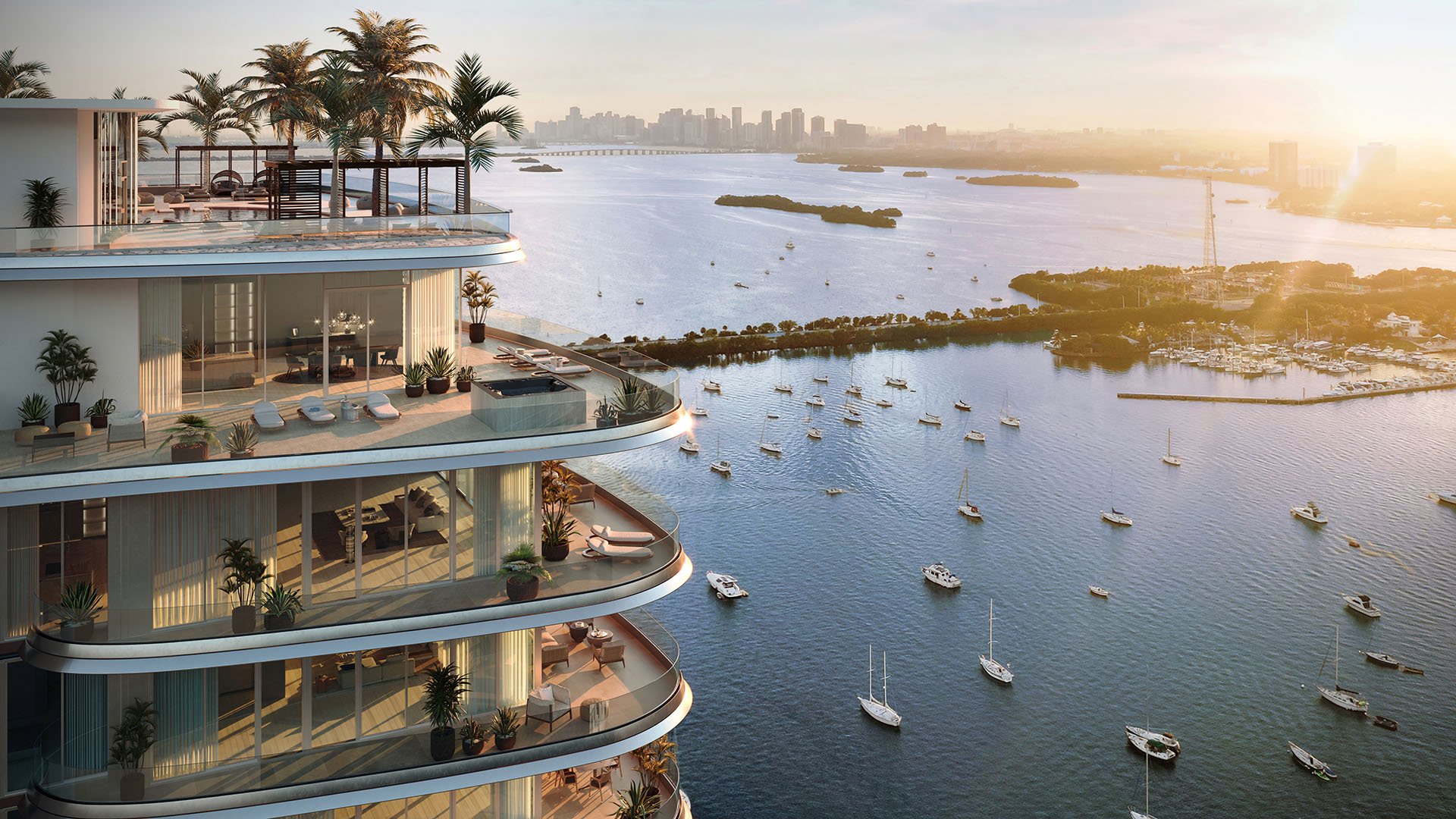
North Bay Village’s transformation offers an appealing vision: a residence overlooking Biscayne Bay in a changing waterfront community. For a luxury buyer, however, the most consequential distinctions lie beneath the presentation. A proposed district is not a completed neighborhood. A drainage roadmap is not proof of protection at a particular address. A marina amenity is not necessarily a transferable slip right.
Sea-level rise and storm surge are local concerns for this three-island community. Proposed development also raises questions about future views, construction disruption and infrastructure. The purchase decision should therefore bring together three distinct areas of diligence: the residence, the condominium association and the surrounding public realm.
The aim is not to avoid change. It is to establish which benefits are documented, which remain conditional and which costs could ultimately fall to the owner.
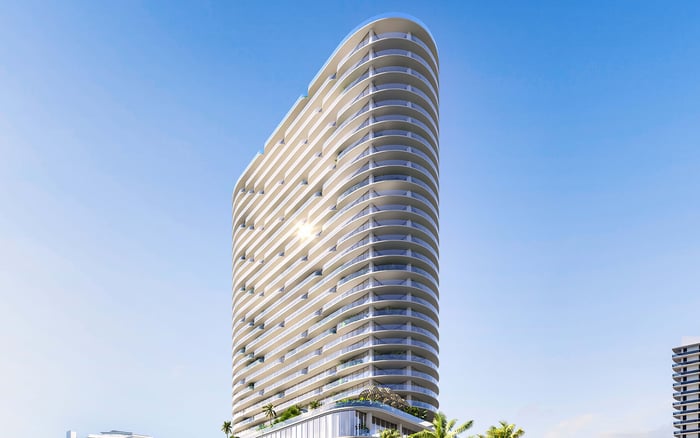
The proposed Continuum Waterfront District envisions a mixed-use waterfront destination along Biscayne Bay and portions of Kennedy Causeway. Within that broader transformation, Continuum Club & Residences North Bay Village is planned as a 32-story condominium with approximately 198 residences at 1755 John F. Kennedy Causeway. Early 2028 is a completion target, not a guaranteed delivery date.
Request current project documentation rather than treating an earlier milestone as present status. Verify approvals, permits, construction progress and contractual delivery provisions separately. A sales percentage recorded at groundbreaking is likewise a historical snapshot, not evidence of current availability or absorption.
On Harbor Island, the proposal at 8000 and 7946 East Drive illustrates why precision matters. Related Group and Macklowe Properties received initial approval through a zoning ordinance passed unanimously on first reading. That action alone does not establish final approval, construction authorization or work underway.
The proposal includes two approximately 498-foot, 43-story towers, nearly 800 parking spaces, a 9,000-square-foot public park and a 42-slip private marina. These are proposed parameters to investigate, not completed improvements to factor into a purchase.
The Stormwater Master Plan, adopted on June 20, 2022, establishes an approximately $60.8 million infrastructure roadmap. Covering all three islands, it evaluates existing infrastructure, current and future drainage conditions, allowable flooding levels and potential improvements.
That scope is meaningful, but the figure does not establish that every project is funded or completed. Ask which improvements serve the property, how they are funded, their anticipated sequence and whether any work affecting the address has been delivered.
Measures proposed in a Florida FY2025-26 funding request are intended to prevent tidal water and storm surge from backing up through the stormwater system into roads, homes and businesses. Building-level protection and public drainage therefore require joint examination; neither should be assumed to resolve the risks addressed by the other.
For the residence, request the FEMA flood designation, any available elevation certificate, finished-floor elevation and a property-specific flood-insurance quote. Obtain the water-intrusion history and details of protection for garages and critical equipment. Have qualified advisers interpret the documents for the property itself, not simply the neighborhood.
A beautifully composed residence still shares its building’s financial obligations. Before committing, examine reserves, structural and engineering reports, insurance limits and deductibles, claims history, litigation, and pending or anticipated special assessments.
The question is not merely whether documents exist, but whether they tell a consistent story. Ask how identified work aligns with available reserves, what remains unresolved and which expenses have yet to enter the budget. Seek written clarification where engineering recommendations and financial planning diverge.
For buyers considering Shoma Bay North Bay Village, the same discipline applies: request the documents appropriate to the transaction and distinguish contractual commitments from presentation materials. Do not infer a building’s insurance position, future assessments or maintenance obligations from its design language.
Evaluate the view from the exact residence, accounting for its floor, orientation and relationship to adjacent parcels. Obtain nearby approved plans and distinguish them from proposals still subject to change. Consider not only potential obstruction, but also privacy, sunlight, construction noise, traffic and parking changes.
The Harbor Island tower proposal warrants particular attention wherever its potential scale could affect a purchase. Elsewhere, the approximately 42,750-square-foot waterfront site at 1681 and 1725 Kennedy Causeway offers another reason to examine neighboring land. The two parcels were acquired for $30.9 million; that transaction does not establish a finished development program or delivery schedule.
When comparing Tula Residences North Bay Village with another residence, apply the same unit-specific review. A waterfront address does not guarantee an unchanged outlook. A quieter exposure or greater privacy may matter more to an individual buyer than the widest panorama at the initial showing.
For a boating household, waterfront access can be central to the purchase. Yet the right on offer may be ownership, a lease, an allocation or another arrangement. Verify the terms before assigning value to a slip or dock.
Request documentation covering ownership or lease rights, transferability, permits, maintenance duties and potential assessments for docks, slips, seawalls and other waterfront structures. Establish who bears responsibility and whether the right under discussion accompanies the residence being purchased.
Apply the same scrutiny to the proposed 42-slip private marina on Harbor Island. Its inclusion in a development proposal does not establish that a particular condominium buyer will receive a slip, or that access will be permanent or transferable.
The proposed North Bay Island code changes under NBV100 are intended to improve neighborhood appearance and flood resilience while maintaining privacy. These ambitions belong in the neighborhood assessment, but must remain distinct from enacted requirements and completed work.
Whether the alternative is in North Bay Village or Miami Beach, compare documented obligations rather than headline amenities. Assemble an address-specific file covering flood exposure, association finances, nearby development, waterfront rights and project status. Record unresolved questions before signing, with counsel and technical advisers reviewing the relevant terms.
The strongest purchase is not necessarily the residence with the most expansive promise. It is the one whose present condition, future obligations and contractual protections align with the buyer’s intended use and tolerance for change.
For a considered approach to South Florida waterfront ownership, connect with MILLION.
If branded residences are on your mind — as a home or as an allocation — we would be glad to share what we are seeing, privately.
Begin a quiet conversationStart with the property’s flood exposure, building finances and current development status. Review the residence, association and surrounding infrastructure as separate but connected matters.
No. It is an infrastructure roadmap adopted on June 20, 2022, not proof that every project is funded or completed.
Request the FEMA flood designation, any available elevation certificate, finished-floor elevation and a flood-insurance quote. Also obtain water-intrusion history and protection details for garages and critical equipment.
No. Early 2028 has been identified as a target, and buyers should verify current progress and contractual delivery provisions.
The described milestone was a zoning ordinance passed on first reading. That alone does not establish final approval, construction authorization or active construction.
It describes two approximately 498-foot, 43-story towers, nearly 800 parking spaces, a 9,000-square-foot public park and a 42-slip private marina. These remain proposed parameters to verify.
Review reserves, structural and engineering reports, insurance limits and deductibles, claims history, litigation and pending or anticipated special assessments. Ask how planned work connects to available funding.
Review nearby approved plans and pending proposals against the exact unit’s floor and orientation. Consider privacy, sunlight, construction disruption, traffic and parking as well as view obstruction.
Do not assume it does. Verify ownership or lease terms, transferability, permits, maintenance responsibilities and potential assessments in the governing documents.
The initiative describes proposed North Bay Island code changes addressing neighborhood appearance, flood resilience and privacy. Buyers should distinguish those proposals from enacted requirements and completed improvements.