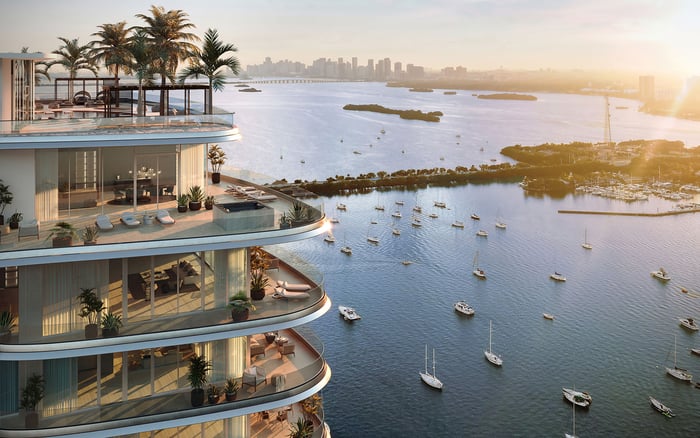
For private-aviation users considering North Bay Village, a waterfront address requires more than a compelling view. Examine neighboring development rights, unit-specific sightlines, construction logistics, acoustic conditions, and the actual journey to your chosen terminal before committing.
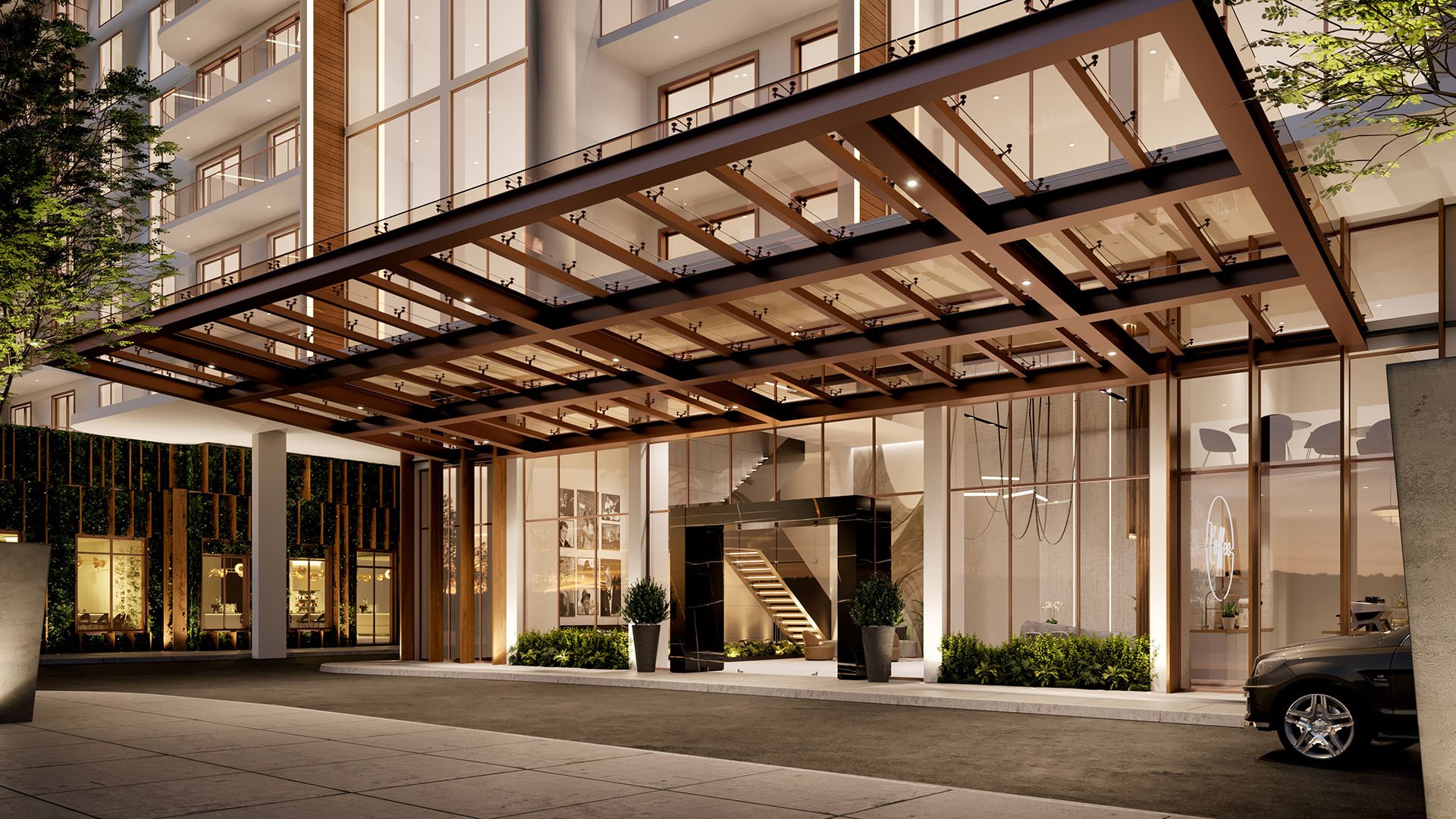
For a buyer who travels by private aircraft, a North Bay Village residence requires two distinct assessments: the experience of living there and the reliability of reaching the chosen terminal. A compelling waterfront setting establishes neither acoustic comfort nor predictable airport access.
For buyers weighing North Bay Village against Miami Beach, the useful comparison is unit-specific, not simply neighborhood-wide. Examine bedroom orientation, terrace exposure, neighboring development capacity, and your departure routine. A beautiful afternoon showing cannot reveal how a residence will feel during construction or after an adjacent tower rises.
Treat construction statuses and delivery targets as dated information to verify, not guarantees. A project announcement does not establish what can ultimately be built on every neighboring parcel.
Start with a parcel-by-parcel record of sites that could affect the residence. Ask counsel and a planning professional to distinguish proposals, board actions, final entitlements, issued permits, active construction, and completion. These categories are not interchangeable.
For any proposed site-plan modification, request the underlying application, the relevant board action, and confirmation of any remaining approvals. Do not treat a preliminary action as final approval or an issued building permit.
An unchanged residence count does not mean an unchanged silhouette. Request the applicable height limits, setbacks, approved elevations, pending amendments, and maximum permitted building envelope. Have the reviewer distinguish current rights from changes requiring further approvals.
Model pending configurations as scenarios to investigate, not completed conditions or assured outcomes.
This article does not establish any legally protected view corridor. Before assigning a premium to open water or skyline exposure, ask counsel to examine recorded restrictions and any claimed view protections, including their scope and enforceability. Marketing language is no substitute for that review.
For a purchase at Continuum Club & Residences North Bay Village, identify the precise building and residence under review. Confirm its current approvals and construction schedule separately from the development rights of surrounding parcels. A delivery target does not establish neighboring conditions at completion.
Commission sightline studies from the actual living-room, bedroom, and terrace positions. Request separate models of existing surroundings, approved neighboring buildings, and pending proposals. Where a planning professional can establish the permitted envelope, include that scenario as well, clearly labeled.
The objective is not merely to determine whether some water remains visible. It is to understand the width of the outlook, potential overlooking, and the relationship between the interior and terrace. Floor count alone is too blunt a measure for this decision.
Construction exposure is a sequence of changing conditions, not a single inconvenience. Request project-specific logistics plans addressing crane positions, swing areas, staging zones, delivery routes, and anticipated roadway, sidewalk, or marine closures where applicable. Do not infer these arrangements from a rendering or a sales-center model.
When evaluating Shoma Bay North Bay Village, request current permit and construction-logistics information. Establish what any scheduled activities would mean for your specific approach, entrance, and outlook rather than relying on a general description of progress.
Ask the project team to identify applicable traffic-control requirements and any approved access restrictions. Traffic-management arrangements should not be treated as a guarantee of unrestricted access, predictable travel times, or limited noise.
For frequent travelers, ask how deliveries and approved closures could intersect with vehicle collection. Confirm who communicates schedule changes and how access arrangements will be updated throughout construction.
Separate construction, roadway, marine, and aviation sound rather than treating them as one ambient condition. A single visit cannot establish their frequency or intensity. Engage an acoustic specialist to measure daytime, evening, and weekend exposure, paying particular attention to bedrooms and outdoor living areas.
Request observations with windows and terrace doors both closed and open, where access permits. Review the proposed or installed facade assembly and seek relevant acoustic documentation. A glazing specification cannot replace an assessment of the complete room and its openings.
For a residence at Tula Residences North Bay Village, review the project's schedule alongside any nearby construction that could affect the unit. Do not assume identical noise conditions across residences or a fixed completion sequence among neighboring projects.
For an unbuilt residence, distinguish predictive acoustic analysis from measurements taken in an existing space. Neither a waterfront orientation nor a high floor is proof of quiet.
Choose the South Florida airport and private terminal relevant to your actual operation before evaluating ground access. Then test the journey at your usual departure and arrival hours, allowing for building pickup procedures and any confirmed construction-related restrictions. Do not treat an untested transfer estimate as a property attribute.
Airport convenience and residential aircraft noise are separate questions. Ask an aviation-noise specialist to evaluate flight activity relevant to the address, and pair that review with on-site acoustic observations. Do not characterize a residence as private-aviation-friendly merely because its location appears convenient on a map.
The result should be a practical travel assessment alongside-not in place of-the property review.
Before a binding commitment, ask your advisers to assemble a dated entitlement review, unit-specific sightline study, construction-logistics assessment, and acoustic evaluation. Refresh the material before closing, particularly where amendments or permits remain pending.
Have counsel distinguish contractual representations from expectations. A targeted delivery year, an attractive rendering, and an open view deserve different weight from an enforceable restriction or an issued approval. The strongest purchase decision makes those distinctions explicit while preserving the qualities that drew you to the residence.
For a discreet conversation about your North Bay Village search, connect with MILLION.
If branded residences are on your mind — as a home or as an allocation — we would be glad to share what we are seeing, privately.
Begin a quiet conversationReview neighboring development rights, unit-specific sightlines, construction logistics, and acoustic exposure. Separately test access to the South Florida airport and private terminal used for your flights.
This article does not establish any legally protected view corridor. Have counsel examine recorded restrictions and the scope and enforceability of any claimed protection.
Do not assume a board action is equivalent to final entitlements or an issued building permit. Ask counsel to confirm each required approval and the current permit status.
An unchanged residence count does not establish that height or massing will remain the same. Compare approved elevations and building envelopes with any pending amendments.
Request current permit records and confirmation of construction activity rather than relying on a project announcement. Date the findings and refresh them before committing.
Ask for views from living areas, bedrooms, and terraces against existing conditions, approved buildings, and pending proposals. Include verified permitted building envelopes as a separate scenario where available.
Request project-specific crane positions, swing areas, staging zones, delivery routes, and relevant closure approvals. Do not infer these arrangements from renderings.
Do not treat traffic-management arrangements as a guarantee of unrestricted access or predictable travel times. Confirm approved restrictions and how schedule changes will be communicated.
Obtain daytime, evening, and weekend acoustic measurements that distinguish construction, roadway, marine, and aviation sound. Evaluate bedrooms and terraces rather than relying on one showing.
A delivery target alone is not a guarantee. Review contractual terms with counsel and refresh construction status before closing.