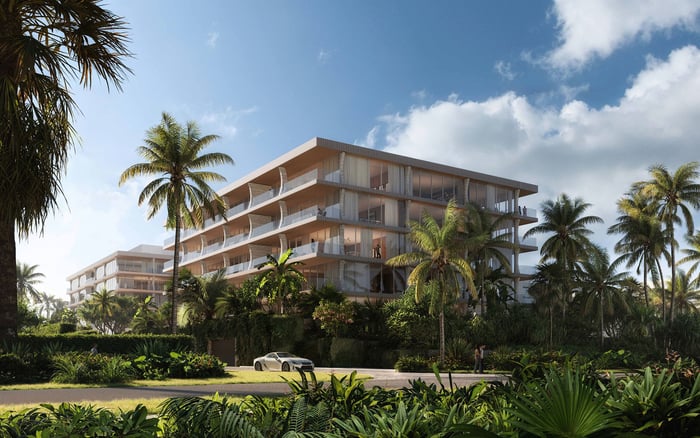
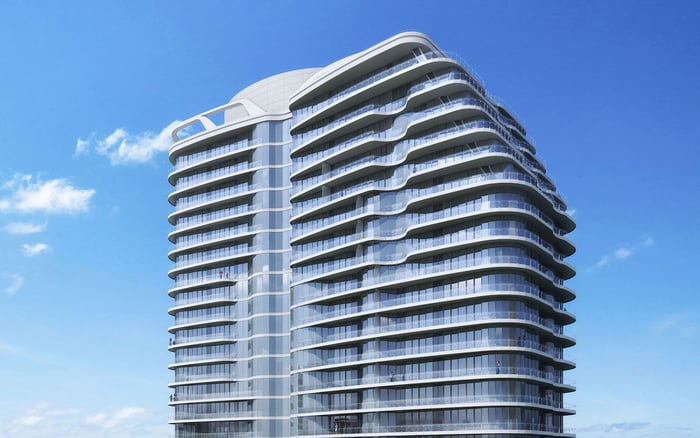
A practical, luxury-minded guide for family buyers evaluating the operational realities behind a private home spa at Nora House West Palm Beach.
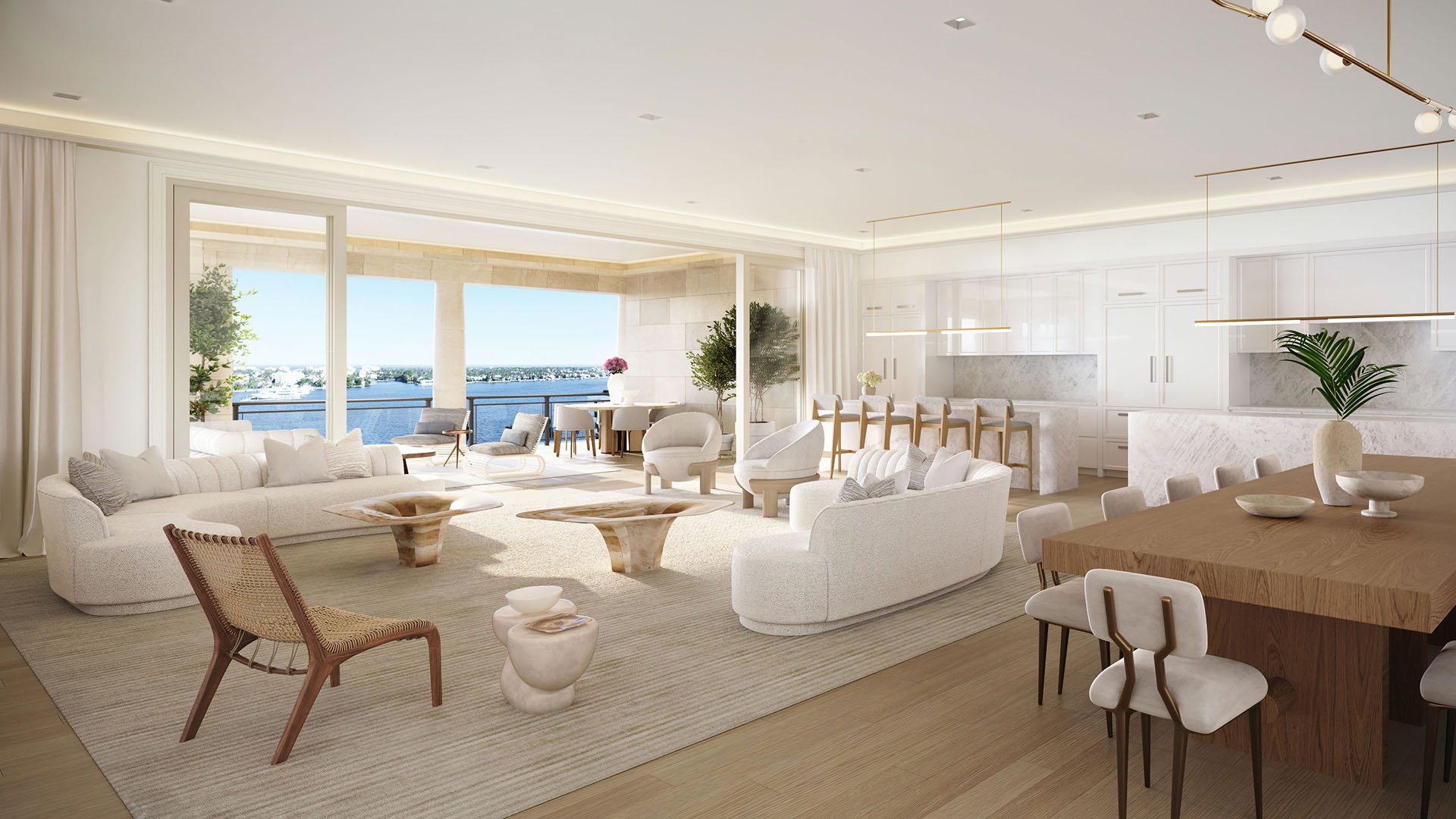
A private home spa can be one of the most seductive features in a luxury residence. For a family buyer, however, the question is not only whether the space photographs beautifully. It is whether the spa operates reliably, safely, quietly, and economically as part of daily life.
At Nora House West Palm Beach, the phrase “home spa” should prompt a more technical conversation than a simple tour. Families need to understand what equipment supports the experience, how it is maintained, who can access it, and what happens when something requires repair. The best spa environment is not merely indulgent. It is predictable.
That is especially true for buyers balancing wellness routines with children, visiting grandparents, overnight guests, and seasonal use. A spa that works for a couple on weekends may require different protocols for a household with school schedules, caregivers, pets, and frequent entertaining.
Begin by defining the spa. Does the term refer to a soaking tub, steam shower, sauna, cold plunge, massage room, treatment suite, outdoor spa, heated water feature, or some combination of these elements? In luxury marketing, “spa” can describe a mood as much as a mechanical system, so buyers should ask for a clear inventory.
For each component, request the manufacturer, model, age, warranty status, service history, and operating instructions. If the spa includes heat, jets, steam, filtration, automated controls, lighting, or specialized plumbing, it should be evaluated with the same seriousness typically reserved for major household systems.
Family buyers should also ask whether any equipment is shared, externally located, concealed behind walls, or dependent on broader home automation. Beautiful wellness spaces often rely on mechanical rooms, drains, pumps, waterproofing layers, ventilation paths, and electrical panels that are not visible during a showing.
A family-focused spa review should begin with access control. Ask how doors, covers, gates, sensors, locks, and control panels are configured. If children or guests may use the home, the owner should know who can activate heat, steam, jets, or lighting, and whether settings can be limited or password protected.
The same scrutiny applies to surfaces. Wet stone, polished tile, exterior decks, and transition thresholds should be evaluated for slip resistance, drainage, glare, and nighttime visibility. A serene spa can become impractical if the route from bedroom to water feature is slick, dim, or difficult to supervise.
Temperature management deserves special attention. Family buyers should ask how hot water is regulated, how steam cycles are controlled, how long surfaces retain heat, and whether emergency shutoffs are obvious. The goal is not to diminish the wellness experience. It is to ensure the space remains safe for different ages and comfort levels.
The most revealing spa documents are often mundane: service logs, water chemistry records, filter replacement dates, equipment invoices, warranty paperwork, and technician notes. These records show whether the spa has been cared for consistently or cosmetically refreshed for sale.
Ask who currently services the system, how often visits occur, and whether the provider will continue with a new owner. If the spa requires specialized knowledge, the transition from seller to buyer should be planned before closing. A family moving into a luxury home does not want to discover that only one technician understands the system.
For an outdoor spa or pool environment, water care is particularly important. Buyers should ask how chemical balancing is managed, how automation is monitored, and what procedures apply before and after extended travel. A second-home pattern can place unusual demands on systems that sit unused for stretches and then must perform immediately.
Spa operations can affect electricity, gas, water, cleaning, service contracts, consumables, and replacement reserves. A heated feature used daily has a different cost profile than a decorative amenity used twice a month. Ask for recent utility history and any separate service agreements tied to the spa.
Families should also consider the cost of convenience. If the household expects warm water after school, a steam shower after tennis, or a cold plunge before sunrise, automation and standby settings may need to be configured accordingly. Comfort has a rhythm, and that rhythm has an operating cost.
In new-construction settings or recently improved residences, confirm which warranties apply and when they expire. If a system was installed by a prior owner, clarify whether warranties transfer, whether maintenance must follow a prescribed schedule, and whether any alterations might affect coverage.
Water is both the appeal and the risk. Ask how the spa drains, where overflow goes, how pumps are protected, and whether surrounding floors and walls were designed for repeated moisture exposure. Interior steam or soaking areas should have appropriate ventilation and moisture management, while exterior installations should be reviewed for grading, runoff, and equipment placement.
Family buyers should ask their insurance advisor how the spa affects coverage, liability, and maintenance expectations. The discussion should include children, guests, short stays by relatives, and any planned household staff or service providers. The right insurance conversation is calm, specific, and documented.
Buyers comparing Nora House West Palm Beach with other homes in Palm Beach County should resist treating all spa features as equal. One residence may offer a simple, low-maintenance wellness corner, while another may operate like a private club treatment area. The lifestyle may look similar, but the obligations can differ materially.
Luxury design often conceals mechanical reality. That is admirable until a pump, heater, control board, valve, or drain requires attention. Ask how technicians access equipment, whether service can occur without moving furniture, and whether repairs disrupt bedrooms, terraces, or entertaining areas.
Noise should also be considered. Pumps, heaters, fans, dehumidifiers, and jets may sound different at night than they do during a daytime showing. Family buyers should ask to hear equipment in operation and understand any programmable quiet hours.
Privacy is another operational detail. If spa maintenance requires exterior access or regular interior entry, the buyer should know how that works with children, guests, and household routines. The best service plan respects both the machinery and the life of the home.
Before becoming emotionally attached to the wellness narrative, ask for a spa operations packet. It should include equipment details, service contacts, maintenance records, warranties, operating instructions, water care routines, and any known repairs. If the packet does not exist, ask that it be assembled during diligence.
Then walk the spa with the right advisors. A general home inspection may not be enough for specialized steam, sauna, pool, plunge, or automation systems. Family buyers should consider targeted review by qualified professionals who understand the relevant equipment and the way luxury households actually use it.
Finally, decide how the spa fits your household. Will it be used daily, seasonally, privately, or while entertaining? Will children have supervised access? Will guests use it independently? The answers shape everything from automation settings to cleaning frequency.
A home spa is at its best when it disappears into the rhythm of life. For a family buyer, the truest luxury is not novelty. It is confidence.
What should family buyers ask first about a home spa? Start by asking exactly what systems are included, who maintains them, and how they are controlled.
Should a spa be inspected separately from the rest of the home? Yes. Specialized water, heat, steam, and automation systems often merit targeted review beyond a general inspection.
Why do maintenance records matter? They show whether the spa has been cared for consistently and help forecast near-term service needs.
What safety features are most important for families? Access control, temperature limits, slip resistance, drainage, lighting, and emergency shutoffs should be reviewed carefully.
How should buyers think about operating costs? Ask for utility patterns, service contracts, consumables, and expected replacement timelines rather than relying on estimates.
Can a home spa affect insurance? It can, especially where water features, guest use, children, or service access are part of the ownership profile.
What questions apply to a second-home owner? Ask how systems are monitored during absences and what restart procedures apply before the family returns.
Is automation always beneficial? Automation can improve convenience, but buyers should understand permissions, settings, overrides, and service support.
What should buyers confirm about warranties? Confirm what is covered, whether coverage transfers, and whether maintenance requirements must be followed precisely.
When should spa questions be resolved? Resolve them during diligence, before closing, while documents, access, and seller knowledge are still available.
If you'd like a private walkthrough and a curated shortlist, connect with MILLION.
If branded residences are on your mind — as a home or as an allocation — we would be glad to share what we are seeing, privately.
Begin a quiet conversation