A disciplined review framework for Geneva residents considering an oceanfront condominium or waterfront estate in Bal Harbour, from ownership structure and building records to physical inspections, pricing context, and cross-border coordination.
For a buyer arriving from Geneva, Bal Harbour can feel immediately legible: compact, polished, internationally oriented, and defined by the water. Yet that apparent simplicity masks two distinct purchasing propositions. An oceanfront condominium offers direct beach proximity, shared services, and an association-governed environment. A waterfront single-family estate may offer greater autonomy, but it also places more of the property’s physical condition and ongoing stewardship directly on the owner.
The first decision, therefore, is not simply budget or view. It is how the residence will be occupied, managed, and eventually transferred or sold. A primary home, second home, and investment-oriented acquisition can require different approaches to privacy, staffing, carrying costs, and permissible use. This distinction is the most useful starting point for narrowing the field.
Bal Harbour is an incorporated village in Miami-Dade County. Review village rules, permits, and local services early, while grounding property-specific conclusions in the relevant official records and professional inspections.
For condominium buyers, Oceana Bal Harbour provides a useful established-building reference. Market indicators have included an average list price of $2,889 per square foot and asking prices from $2.45 million, but these figures are snapshots-not appraisals or evidence of current availability.
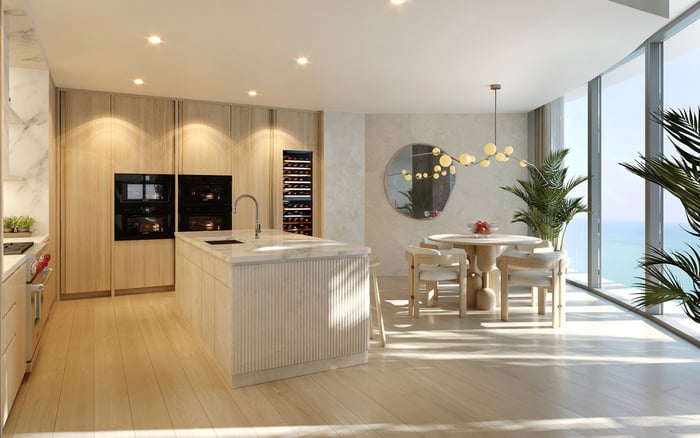
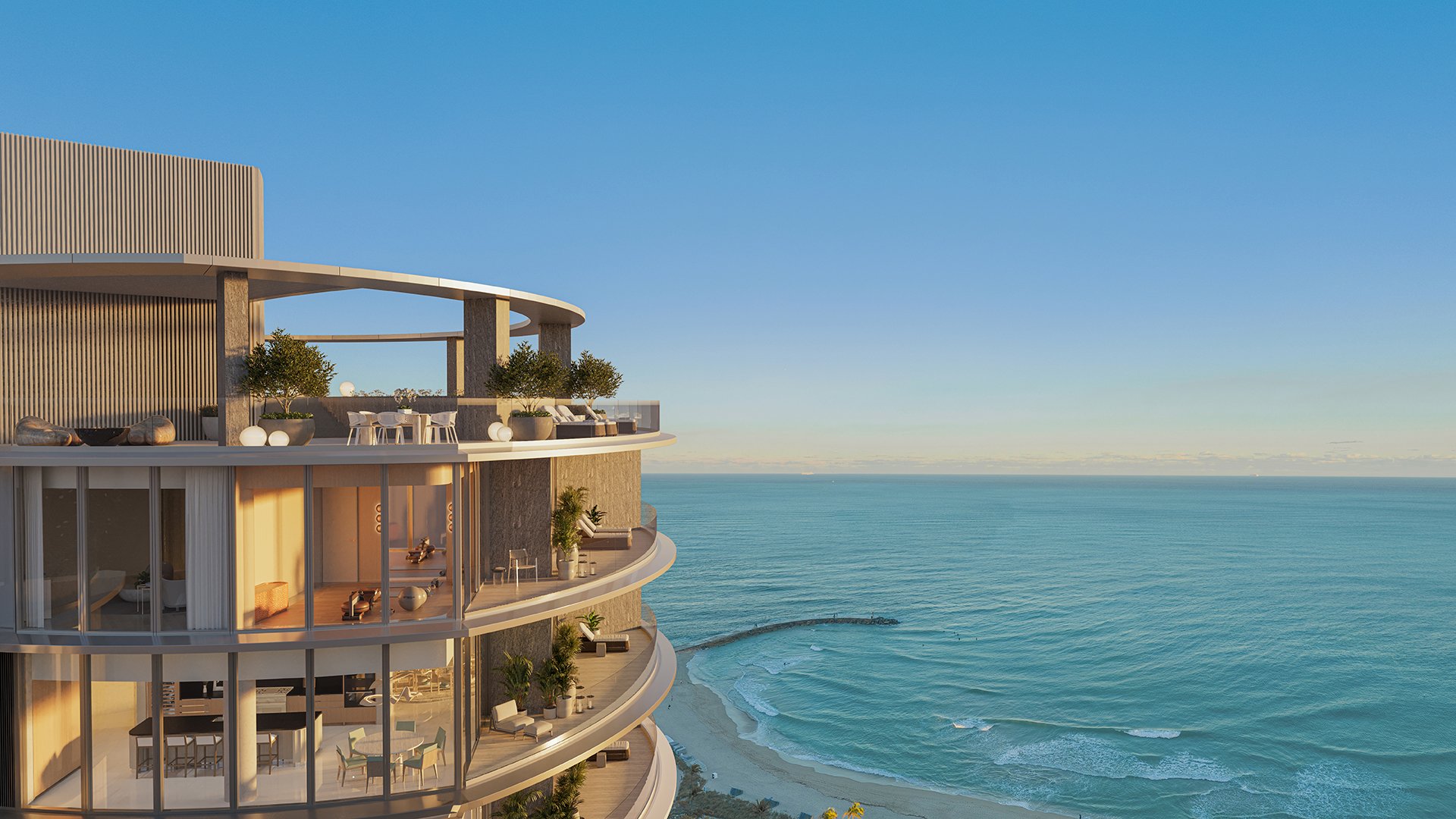
At the new-development end, Rivage Bal Harbour is planned as a 56-residence oceanfront condominium at 10245 Collins Avenue, with an indicated 2027 completion. Residences have been marketed with three to eight bedrooms and approximately 3,284 to 12,700 square feet. Quoted pricing has ranged from about $8.5 million to $30 million, with available residences also placed at $10 million or more.
Buyers willing to compare the immediate coastline can also examine Arte Surfside and Eighty Seven Park Surfside as distinct alternatives outside Bal Harbour. The purpose is not to equate the communities, but to test preferences concerning scale, location, services, floor plans, and the maturity of building operations.
Bal Harbour’s upper tier can produce dramatic numbers. A waterfront estate changed hands off market for $42,973,750 in July 2026, the village’s highest-priced sale of that year. A separate waterfront mansion was relisted for $78 million in November 2025, while a penthouse was offered at $150 million in August 2025. In 2022, an investor acquired a waterfront mansion for $15 million, with plans to renovate and market it near $30 million.
These figures represent different categories: a closed transaction, an asking price, development pricing, and prospective resale ambition. They should not be treated interchangeably. A credible valuation review should separate oceanfront condominiums from bayfront estates, finished residences from renovation opportunities, and public listings from private transactions. It should also normalize for interior area, land, water orientation, condition, floor height, and contractual inclusions-but only where documented.
A condominium purchase requires more than reviewing the residence itself. Counsel and financial advisers should examine the declaration, bylaws, budgets, financial statements, meeting minutes, assessments, reserve information, insurance materials, litigation disclosures, management arrangements, and restrictions on leasing, guests, pets, renovations, and transfers.
For pre-construction, review the purchase agreement, deposit schedule, cancellation rights, completion language, unit specifications, substitution provisions, association structure, and precise status of marketed amenities. Rivage Bal Harbour, for example, has been marketed with private beach service, concierge, spa, fitness, and dining facilities. The operative documents-not presentation materials alone-should define what will be delivered and on what terms.
Service levels deserve equal attention. Private beach assistance and concierge access may be central to the lifestyle, but staffing, operating hours, owner charges, and guest policies can materially shape both the experience and the annual budget.
No buyer should infer flood, insurance, structural, seawall, drainage, or marine-access conditions from an address or view. Obtain the applicable flood information, insurance history and quotations, inspection reports, permit records, repair history, and any engineering documentation available for the specific property.
For an estate, commission specialists to evaluate the seawall or other shoreline improvements, roof, glazing, drainage, mechanical systems, generator, pool, dock, and marine infrastructure, where applicable. Verify that permits and approvals correspond with the existing improvements. If boating is relevant, confirm dimensions, access, depth, bridge conditions, and use rights through qualified professionals rather than marketing descriptions.
For a condominium, determine which waterfront elements are common, limited common, or privately maintained. Review how deductibles, major repairs, and extraordinary projects could be allocated. Test insurance availability and cost before contractual deadlines rather than estimating them from another building.
Swiss tax, residency, ownership, and succession outcomes remain buyer-specific and require separate analysis. Geneva buyers should coordinate Florida real-estate counsel with Swiss and United States tax and estate advisers before selecting an ownership structure or moving funds. Sequence matters: a contract signed personally may not be simple to reassign later.
The advisory brief should address source-of-funds documentation, currency conversion, banking timelines, beneficial ownership, signing logistics, privacy objectives, estate planning, and the intended pattern of occupancy. Where financing is contemplated, obtain terms early and distinguish lender requirements from the buyer’s independent diligence.
Establish a local operating plan as well. Identify who will supervise the residence when vacant, authorize repairs, receive association notices, manage vendors, and prepare the home before arrival. Discreet ownership is strengthened by disciplined administration, not informality.
Before making an offer, request a property-specific document package and establish realistic review periods for legal, financial, physical, and insurance diligence. Define which furnishings, art, equipment, parking rights, storage, dockage, or service arrangements are included. For an off-market opportunity, the absence of broad exposure makes independent valuation and document review more important, not less.
A carefully structured acquisition should leave the buyer with four clear answers: what is owned, what may be used, what must be maintained, and what the annual and exceptional costs could be. In Bal Harbour, elegance at closing begins with precision before contract.
Can a Geneva resident buy property in Bal Harbour? Eligibility depends on the proposed purchaser and ownership structure. Florida counsel should confirm both before contract.
Is an oceanfront condominium simpler than a waterfront estate? It centralizes many services through an association, but adds shared rules, budgets, reserves, assessments, and governance to the review.
Should asking prices be used as comparable sales? No. Asking prices, developer pricing, closed sales, and renovation projections should be analyzed as separate categories.
What should be reviewed for a condominium association? Review governing documents, financials, reserves, insurance, assessments, minutes, litigation disclosures, and use restrictions with qualified advisers.
What requires special attention in pre-construction? Focus on the contract, deposits, completion provisions, specifications, substitutions, cancellation rights, and the legal status of amenities.
How should flood exposure be assessed? Use current property-specific flood information, insurance quotations, inspections, and professional advice rather than assumptions based on location.
Is a seawall inspection necessary for an estate? Where shoreline improvements exist, a qualified specialist should evaluate their condition, permits, maintenance history, and likely repair needs.
Can advertised amenities be relied upon? Marketing can frame expectations, but operative contracts and association documents should establish delivery, access, charges, and rules.
When should Swiss and United States advisers become involved? Before signing a contract or selecting an ownership vehicle, so tax, succession, banking, and legal considerations can be coordinated.
What should be arranged for an occasionally occupied residence? Establish local oversight for inspections, notices, vendor access, repairs, storm preparation, and pre-arrival readiness.
When you're ready to tour or underwrite the options, connect with MILLION.
If branded residences are on your mind — as a home or as an allocation — we would be glad to share what we are seeing, privately.
Begin a quiet conversation