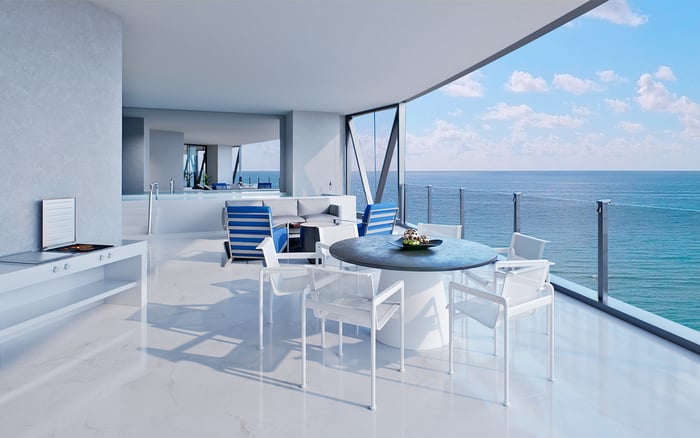
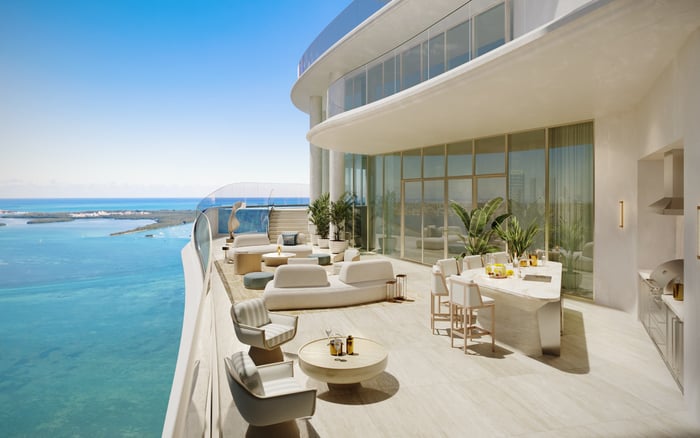
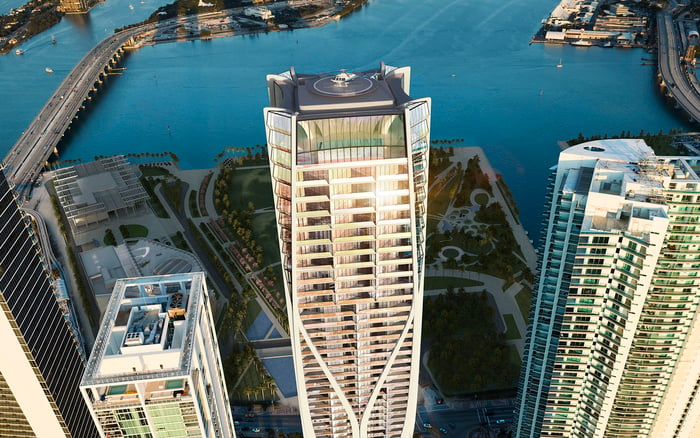
A buyer-oriented comparison of Muse Residences Sunny Isles Beach and Nora House West Palm Beach through the lens of wellness credibility, indoor air quality, recovery spaces, and ownership control.
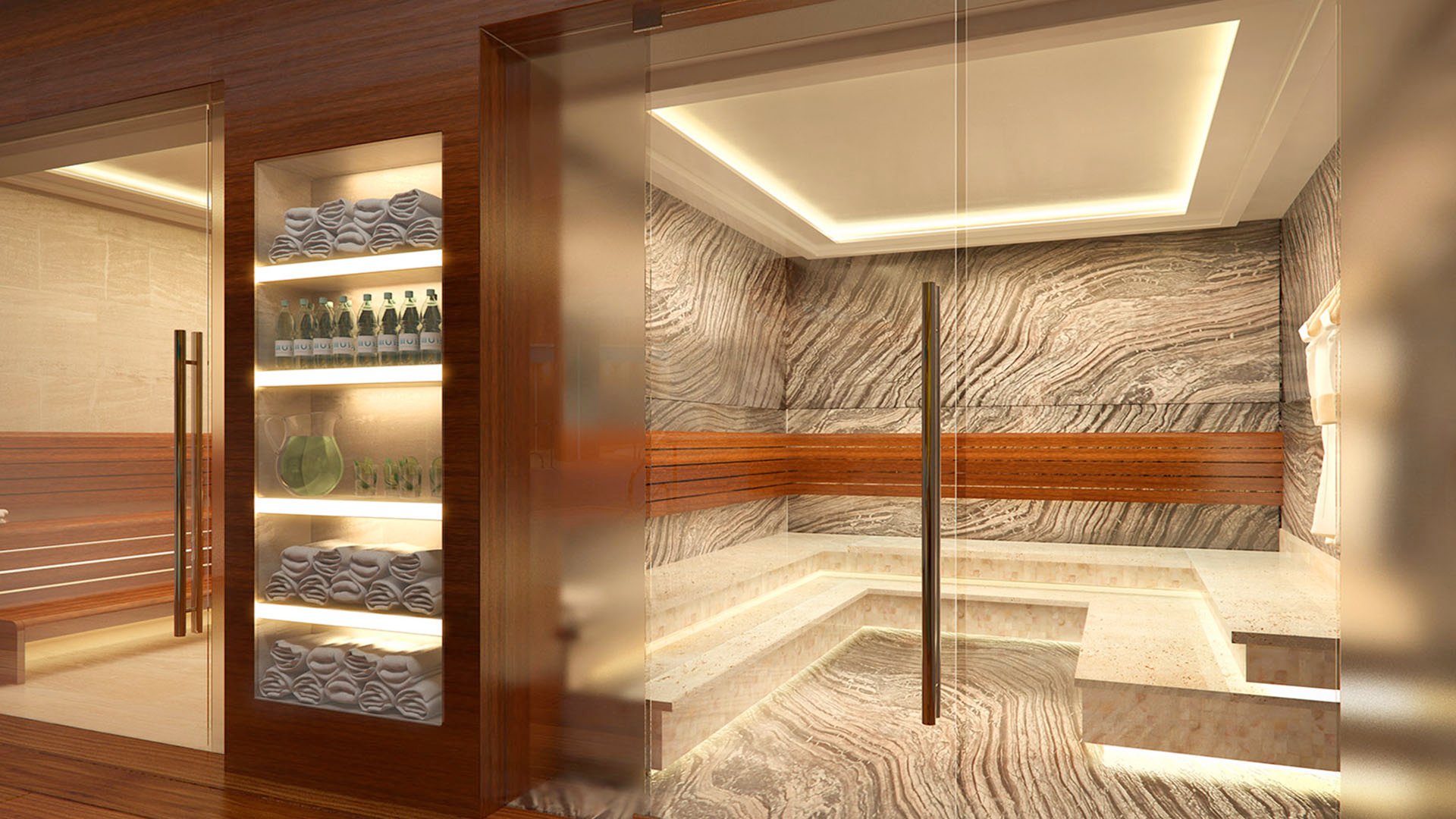
For South Florida’s luxury buyer, wellness is no longer just a decorative phrase attached to a spa menu or a serene rendering. It is a practical ownership question. How does the residence breathe? Who maintains the systems that shape indoor comfort? Where can the owner recover from heat, travel, training, entertaining, and the demands of a highly mobile life?
That is why the comparison between Muse Residences Sunny Isles Beach and Nora House West Palm Beach is useful. The names point to two distinct ways of owning: a managed residential environment in Sunny Isles Beach and a more autonomous house-oriented proposition in West Palm Beach. For a buyer focused on wellness credibility, air quality, and recovery spaces, the choice is not which label sounds healthier. It is which ownership model delivers the right balance of service, control, privacy, and long-term accountability.
This is also where vocabulary matters. Search terms such as Muse Residences Sunny Isles Beach, Sunny Isles, West Palm Beach, new construction, oceanfront, and second home may define the buyer’s initial map, but the true decision is operational. A wellness residence must perform quietly, every day.
Muse Residences Sunny Isles Beach represents the condominium model, where ownership is shaped by building governance, shared systems, amenity management, and a residential service culture. For many buyers, this model is compelling because the wellness experience can be integrated into the broader building environment. The owner does not need to personally manage every element of arrival, security, common-area upkeep, or amenity readiness.
The strength of this model is consistency. A well-run condominium can create a calm daily rhythm: elevator access, staffed entry, maintained amenity areas, and a building-wide approach to comfort. For an owner who uses the residence as a second home, or who travels frequently, that consistency can be a form of wellness in itself. The residence is not merely a private retreat. It is part of a managed vertical ecosystem.
The tradeoff is control. In a condominium setting, air quality, common-area protocols, amenity rules, and capital improvements are not solely an individual owner’s decision. Buyers should study governance documents, maintenance obligations, reserve expectations, and how building systems are managed over time. The question is not simply whether a property uses wellness language. The question is whether the ownership structure supports credible, repeatable wellness performance.
Nora House West Palm Beach suggests a different ownership conversation: greater emphasis on privacy, personal control, and the ability to curate daily routines outside the framework of a large shared residential tower. In a house-oriented model, the owner may have more influence over interior specifications, maintenance scheduling, equipment choices, and the way recovery spaces are arranged.
That autonomy can be powerful for buyers who treat wellness as a personal operating system. A private room for stretching or breathwork, a cool and quiet bedroom suite, a controlled work area, and a transition space between outdoor heat and interior calm can matter as much as a branded spa. In West Palm Beach, where residential life can combine dining, culture, office use, and private time, the house model may appeal to those who want wellness embedded in everyday circulation rather than concentrated on a shared amenity level.
The tradeoff is responsibility. Autonomy means the owner must think carefully about service vendors, replacement cycles, filtration strategy, humidity management, and the discipline of maintaining systems over time. A house can offer exceptional control, but only if the owner is prepared to manage that control with the same rigor expected in a high-end residential building.
In South Florida, air quality begins with climate. Heat, humidity, salt air in coastal areas, seasonal storms, and frequent indoor-outdoor living all shape residential comfort. A buyer comparing a condominium model with a West Palm Beach house model should ask different but equally serious questions.
In a managed condominium, the inquiry should focus on the relationship between private residences and shared systems. How is fresh air introduced? How are common areas conditioned? What is the protocol for maintenance access? How are odors, humidity, and pressure differences handled? What documentation is available regarding system care?
In a house model, the buyer’s focus shifts toward direct control. What equipment serves the home? How can filtration be upgraded? Is the building envelope appropriate for the lifestyle? Can bedrooms, wellness rooms, and work areas be zoned for comfort? What is the plan for maintenance during travel periods?
For both models, credibility comes from documentation, inspection, and operational clarity. Buyers should be cautious with vague wellness claims that cannot be translated into maintenance routines, equipment standards, or measurable comfort outcomes.
The most sophisticated buyers are no longer treating recovery as an afterthought. A primary suite, terrace, bathroom, gym, study, or media room may all become part of a recovery sequence. The question is how the property supports decompression.
At Muse Residences Sunny Isles Beach, the setting may appeal to buyers who associate recovery with light, water, and a sense of spatial release. In a Sunny Isles condominium, the daily restorative experience is often tied to views, elevator convenience, building amenities, and the ability to move between private residence and managed common areas with minimal friction.
At Nora House West Palm Beach, recovery may be more about privacy and personalization. A buyer may prioritize acoustic calm, a garden-facing room, a dedicated wellness zone, or the ability to set household rhythms without shared amenity schedules. In a more autonomous model, the recovery program can be highly specific to the owner’s life.
Neither model is inherently superior. The better fit depends on how the buyer actually recovers. Some people are restored by service, coastal light, and a lock-and-leave environment. Others are restored by privacy, full control, and the ability to tune a home around their own schedule.
Wellness credibility is ultimately about alignment between promise and ownership structure. A managed building can be exceptional when governance, staffing, systems, and resident expectations are aligned. A house can be exceptional when the owner invests in maintenance, air quality, privacy, and thoughtful spatial planning.
For buyers, the most important exercise is to rank priorities before touring. If the first priority is convenience, a condominium model may carry the advantage. If the first priority is control, a house model may be more compelling. If the first priority is air quality, both models require technical review. If the first priority is recovery, the buyer should test how the property feels at different times of day, not merely how it photographs.
The South Florida luxury market rewards discernment. Wellness is not a single amenity. It is the sum of design, air, silence, light, service, maintenance, and the owner’s ability to live well without friction.
Is Muse Residences Sunny Isles Beach better for buyers who want managed wellness? It may suit buyers who value a condominium environment where services, shared spaces, and building operations can support a managed daily routine.
Is Nora House West Palm Beach better for buyers who want control? It may appeal to buyers who prefer greater autonomy over interior choices, maintenance timing, and the organization of recovery spaces.
Which model is stronger for air quality? Neither should be assumed stronger without review. Buyers should evaluate systems, filtration potential, maintenance practices, and humidity control.
What should a buyer ask before relying on wellness claims? Ask how the claim is supported by design, equipment, maintenance, rules, staffing, or documentation. Credibility should be operational.
Does an oceanfront setting automatically improve wellness? No. Water views and coastal light can be restorative, but indoor comfort still depends on systems, maintenance, and the building envelope.
Can a second home still support a serious wellness routine? Yes, but lock-and-leave reliability becomes important. Owners should consider how the property is maintained when they are away.
Why does ownership structure matter so much? Ownership structure determines who controls systems, who pays for improvements, and how quickly wellness-related issues can be addressed.
Should buyers prioritize amenities or private recovery rooms? The stronger choice depends on lifestyle. Frequent travelers may value amenities, while privacy-focused owners may prefer dedicated in-residence spaces.
Is new construction always better for wellness? Not automatically. Newness can help, but buyers should still evaluate design quality, mechanical systems, materials, and long-term maintenance.
What is the best way to shortlist comparable options for touring? Start with location fit, delivery status, and daily lifestyle priorities, then compare stacks and elevations to validate views and privacy.
For a discreet conversation and a curated building-by-building shortlist, connect with MILLION.
If branded residences are on your mind — as a home or as an allocation — we would be glad to share what we are seeing, privately.
Begin a quiet conversation