A practical guide for seasonal buyers considering Mr. C Tigertail Coconut Grove and the role of mudroom alternatives in tropical high-rise living. The article explains how entry design, millwork, storage planning, and building services can create a refined arrival ecosystem without replicating a cold-climate mudroom.
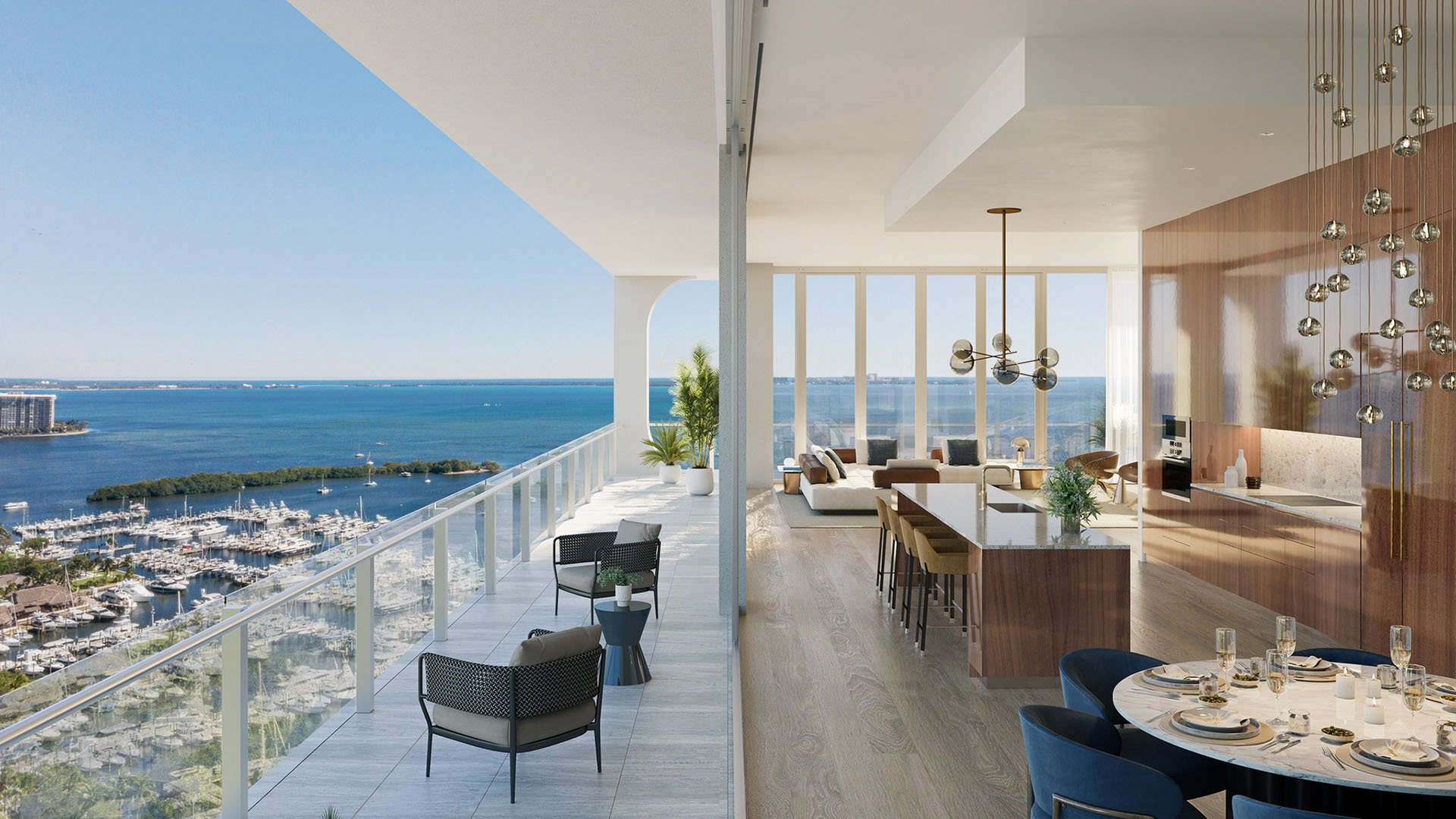
For seasonal buyers considering Mr. C Tigertail Coconut Grove, the mudroom question is less about recreating a northern-house feature than translating its purpose. In colder primary homes, a mudroom absorbs snow boots, coats, umbrellas, school bags, dog leashes, and the daily friction of arrival. In a tropical, service-oriented high-rise, that dedicated room is uncommon, but the need behind it remains.
The real issue is control. A well-designed arrival sequence should contain mess and moisture, organize gear, stage departures, and protect the principal living areas. In South Florida, the challenge is not salt and snow. It is humidity, sand, beach equipment, marina-related items, pet gear, shopping bags, luggage, and the intermittent rhythm of a residence that may be heavily used for part of the year and quiet for long stretches.
That makes the answer more nuanced. Seasonal owners do not necessarily need a literal mudroom. They need an arrival ecosystem: part design, part storage plan, part service routine, and part discipline.
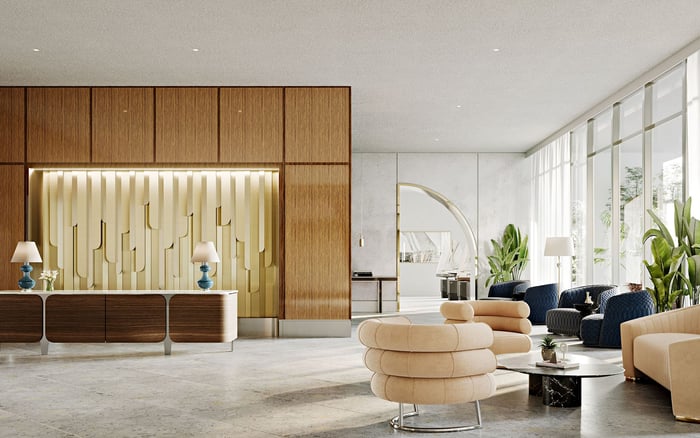
At Mr. C Tigertail Coconut Grove, seasonal buyers should evaluate the entry foyer as a transition zone, not merely a decorative threshold. The strongest foyer concept does not announce itself as utility. It absorbs utility quietly. Shoes can be handled before they reach the main flooring. Bags can have a dedicated landing area. Pet leashes, beach totes, travel documents, and everyday essentials can be staged in one place without spilling into the living room.
This is especially important for second-home ownership. A seasonal residence is often used intensely: guests arrive, suitcases rotate, beach days become dinner plans, and deliveries accumulate while the owner is in residence. Then the home may sit vacant. A successful arrival system should work in both modes. It should support fast, elegant daily use and make lock-and-leave departures easier.
For buyers comparing Mr. C Tigertail Coconut Grove with broader Coconut Grove priorities, the question is not simply whether a floor plan has a mudroom. It is whether the residence can be adapted to perform the same work without compromising the grace of the entry.
Custom millwork near the entry can replace many traditional mudroom functions. Concealed cabinetry, integrated drawers, hanging space, hooks, cubbies, and a bench or perch can make a compact foyer perform with surprising efficiency. The goal is invisible order: the beach bag disappears, the dog leash has a home, extra sandals do not gather beside the door, and luggage tags are not lost before the next flight.
The finish strategy matters. Luxury residences often feature flooring, cabinetry, and furnishings that are vulnerable to the cumulative effects of sand, wet shoes, sunscreen residue, and repeated arrivals. A well-planned drop zone can protect those finishes by containing daily wear at the edge of the home. It is not only a convenience feature. It can be part of a long-term preservation strategy.
Seasonal buyers should ask early what can be customized, which walls are suitable for built-ins, how much depth is available, and whether an entry plan can be coordinated with lighting, outlets, and ventilation. The best result looks intentional rather than retrofitted.
In Miami, mudroom thinking should begin with moisture. South Florida’s humidity changes the priorities. Heavy coat storage is far less important than keeping damp towels, beach shoes, umbrellas, marina bags, and sports items from migrating into refined interiors.
That does not mean the foyer should become a utility closet. It means materials and routines should be chosen with climate in mind. A mat or tray system can remain discreet. Ventilated storage may be useful for items that should not be sealed away while damp. A laundry and housekeeping routine can become part of the arrival plan, particularly after beach, boating, or pet outings.
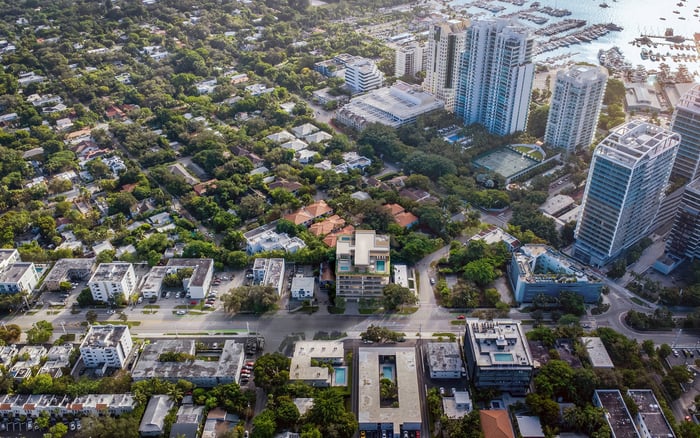
Coconut Grove’s outdoor culture makes this more than theoretical. Marina days, waterfront walks, pets returning from humid sidewalks, and casual movement between indoor and outdoor life all create small points of friction. Pet and marina considerations belong in the same conversation as cabinetry and flooring because they affect how the residence functions day after day.
A seasonal buyer should also think beyond the front door. Climate-controlled storage can be especially relevant for owners who want to leave luggage, household supplies, sports gear, seasonal décor, or duplicate essentials in Miami between visits. The value is not merely more space. It is continuity.
A well-stocked seasonal home allows the owner to arrive with less, leave with less, and avoid treating each visit like a move. That is where storage planning becomes part of the luxury experience. If certain gear does not need to enter the residence at all, the foyer stays cleaner and the interiors remain calmer.
Buyers should ask practical questions before committing: Is private storage available? Is it climate-controlled? How are oversized items handled? Can luggage move easily between storage, valet, and the residence? What access is available when the owner is away or arriving late?
In a single-family home, the garage, mudroom, driveway, and side entry often absorb the mess of daily life. In a service-oriented condominium, those functions may be distributed across valet, reception, concierge, delivery handling, and housekeeping. Buyers should think of building services as an extension of the residence.
This is where luxury high-rise living can outperform a literal mudroom. Packages can be managed before they enter the unit. Dry cleaning can be routed through staff-supported systems. Valet assistance can reduce the amount of luggage and everyday friction brought upstairs. Housekeeping can reset the residence after heavy use and, in some cases, may be coordinated around absences if building policies and owner arrangements allow it.
The important point is to verify rather than assume. Seasonal buyers should ask which services are included, which are arranged separately, how access is handled during absences, and what protocols exist for deliveries. The best arrival ecosystem depends on alignment between the private residence and the building’s operational rhythm.
Mudroom alternatives are often discussed as lifestyle conveniences, but they also carry an investment dimension. A residence that manages sand, moisture, luggage, pets, and deliveries with care is less likely to show premature wear in its main living areas. Floors stay cleaner. Millwork takes less abuse. Upholstery is less exposed to damp items and beach residue.
For seasonal owners, this is especially relevant because use patterns can be uneven. A home may be pristine for months, then host a concentrated period of family, guests, and outdoor living. A strong entry plan creates consistency. It gives every item a place and every arrival a sequence.
The most refined solution is not the largest one. It is the one that disappears into the architecture, supports the owner’s habits, and preserves the feeling of calm from the moment the door opens.
Before purchasing, seasonal buyers should walk through an imagined arrival. Where do wet umbrellas go? Where does a beach bag land? Where is luggage staged after a late flight? What happens to pet gear after a morning walk? How are deliveries handled if the owner is away? Can housekeeping reset the home before the next arrival?
These questions reveal whether the residence can support a lock-and-leave lifestyle. They also help buyers distinguish between attractive interiors and livable luxury. A beautiful home becomes more valuable in daily terms when it anticipates the less glamorous parts of ownership.
At Mr. C Tigertail Coconut Grove, the mudroom alternative should be understood as discreet choreography: entry design, built-in storage, climate-aware routines, staff-supported logistics, and owner preferences working together.
Do seasonal buyers at Mr. C Tigertail Coconut Grove need a traditional mudroom? Not necessarily. The better goal is a layered arrival system that performs the same functions in a tropical condominium setting.
What is the main purpose of a mudroom alternative? It controls mess and moisture, organizes gear, stages arrivals and departures, and protects the main living areas.
Can an entry foyer replace a mudroom? Yes, if it is planned as a transition zone with storage, drop areas, and durable details suited to daily use.
What should buyers consider adding near the entry? Concealed millwork, drawers, hooks, a bench, shoe storage, and a dedicated place for bags or pet gear can be useful.
Why is moisture management so important in South Florida? Humidity, wet beach items, umbrellas, and marina-related gear can affect finishes more often than cold-weather issues.
Is climate-controlled storage important for seasonal owners? It can be very helpful for luggage, sports gear, supplies, and items left in Miami between visits.
How can concierge or valet services help? They may reduce the amount of luggage, packages, dry cleaning, and daily mess that reaches the residence itself.
Should pet owners plan differently? Yes. Pet leashes, towels, wipes, and walking accessories should have a defined place near the entry.
Can a mudroom alternative help resale value? It may support long-term value by reducing visible wear and preserving the quality of principal living spaces.
What should buyers ask before purchasing? Ask about storage, deliveries, housekeeping access, valet support, and what custom entry solutions may be feasible.
If you'd like a private walkthrough and a curated shortlist, connect with MILLION.
If branded residences are on your mind — as a home or as an allocation — we would be glad to share what we are seeing, privately.
Begin a quiet conversation