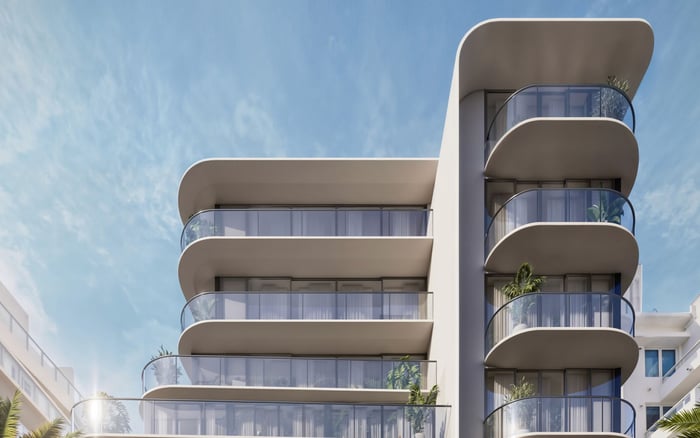
For a Paris-based family office, a Bay Harbor Islands residence should be evaluated as an operating base. Route trials, controlled-arrival rehearsals, staffing reviews and written absence procedures can help a buyer assess whether a property fits the principal’s travel rhythm.
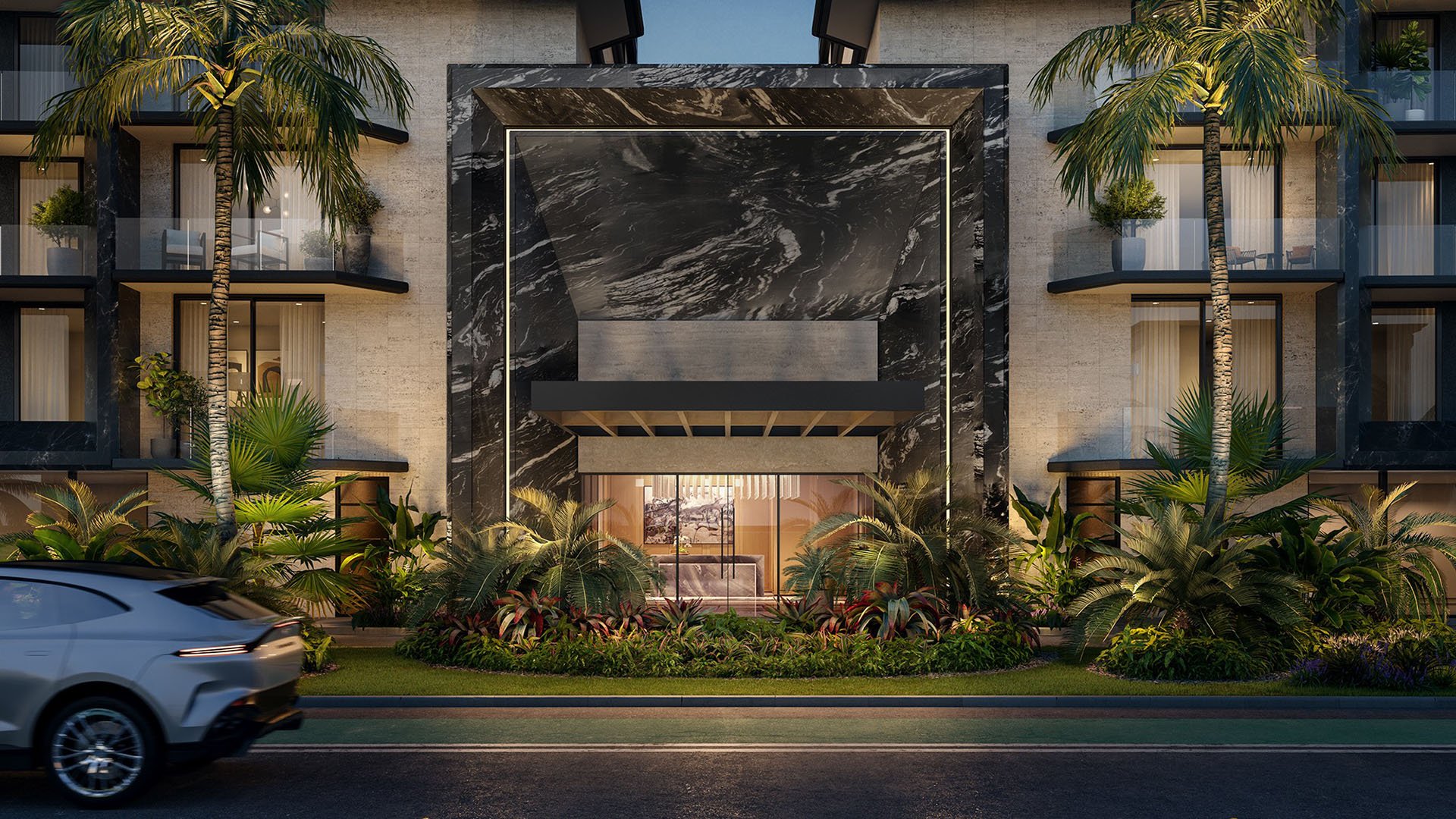
Moving a family office from Paris to Bay Harbor Islands requires more than choosing a residence. The property should be assessed as part of an operating system that supports arrivals, ground transfers, household staffing, private meetings and extended absences.
Begin by mapping the principal’s expected movement through the property. Examine the path from vehicle arrival to parking, building access, elevator use and entry into the residence. Then consider how authorized staff, advisers, guests and service providers would follow the same sequence without compromising household privacy.
Test the airports and aviation facilities the household expects to use rather than relying on a single assumed route. Commercial and private aviation may require different transfer plans, vehicles and arrival procedures.
Before treating any airport or FBO as part of the family office’s routine, the operating team should confirm relevant access arrangements, services and procedures directly with the facility. Requirements can also vary by aircraft, itinerary and destination, so the final plan should be verified for each recurring travel pattern.
Published or estimated drive times should be treated as preliminary screening information. Conduct repeated trials during the hours when the principal is most likely to depart or arrive, including any periods that may create operational pressure.
Start each test at the residence and end it at the relevant terminal or FBO. Include the time needed for garage departure, building access, luggage loading, passenger coordination and the final approach to the aviation facility. Repeat the return journey with the vehicle and luggage profile the household expects to use.
For each trial, record the total duration, the route used and any point of delay. Comparing consistency across several tests is more useful than relying on one favorable journey.
A buyer should rehearse vehicle recognition, guest clearance, parking, luggage handling, lobby movement, elevator access and entry into the residence. The objective is a controlled and repeatable process for principals, relatives, advisers and authorized household staff.
The shortlist can include La Baia North Bay Harbor Islands, Bay Harbor Towers, Onda Bay Harbor and The Well Bay Harbor Islands. Apply the same operational review to each property instead of assuming that residences in the same area provide identical access, staffing or privacy conditions.
Request current building documents and direct clarification for visitor authorization, staff entry, elevator procedures, deliveries, parking and emergency access. Any feature important to the family office should be confirmed before the purchase decision.
A lock-and-leave plan should identify who may enter the residence, who authorizes that access and how completed work is documented. The scope may cover periodic inspections, building-system checks, storm preparation, delivery handling, emergency response and pre-arrival setup.
Review the applicable condominium rules for household employees, property managers, security personnel, family members, guests and service providers. If the residence will support remote work or private meetings, assess the proposed space and access plan against those rules.
Parking and storage should also be tested against the household’s actual operating model. Consider the vehicles, drivers, luggage, seasonal possessions and equipment that must be accommodated, then verify the arrangements available to the specific residence.
Compare each shortlisted property through route logs, arrival rehearsals, access rules, staffing permissions, parking arrangements, emergency procedures and absence protocols. The preferred residence should be the one whose verified operations best match the principal’s priorities.
For a globally mobile household, discretion depends on clear permissions, repeatable handoffs and a documented plan between the aircraft and the residence.
Which airport routes should a buyer test? Test the commercial and private-aviation facilities the household expects to use, with separate transfer plans where needed.
When should traffic trials take place? Run them during the principal’s likely departure and arrival windows, including periods expected to place the most pressure on the schedule.
Where should transfer timing begin and end? Begin at the residence and continue through arrival at the relevant terminal or FBO, including intermediate access and loading steps.
Why are repeated route tests important? Several trials help reveal consistency, route sensitivity and recurring delay points that a single favorable trip may conceal.
What should an arrival rehearsal cover? Review vehicle arrival, clearance, parking, luggage movement, lobby exposure, elevator access and entry into the residence.
What should be verified with a building? Confirm current procedures for visitors, staff, elevators, deliveries, parking and emergency access.
What belongs in a lock-and-leave plan? Define authorized access, inspections, residence checks, emergency response, absence preparation and pre-arrival setup in writing.
Can a residence support family-office meetings? It may, but the buyer should assess the proposed space, privacy plan and applicable condominium rules before relying on it.
How should parking and storage be evaluated? Compare verified arrangements with the household’s expected vehicles, drivers, luggage and equipment.
What is the best way to shortlist comparable options for touring? Start with location fit, delivery status, and daily lifestyle priorities, then compare stacks and elevations to validate views and privacy.
For a tailored shortlist and next-step guidance, connect with MILLION.
If branded residences are on your mind — as a home or as an allocation — we would be glad to share what we are seeing, privately.
Begin a quiet conversation