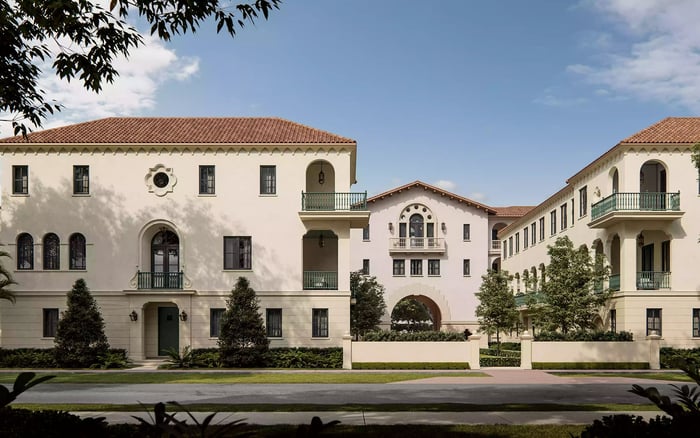
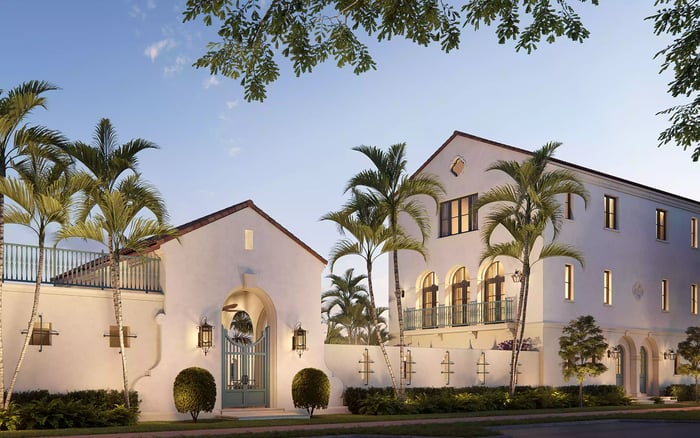
A residence-specific framework for evaluating potential dust, noise, temporary access constraints, and delivery conditions at The Village at Coral Gables.
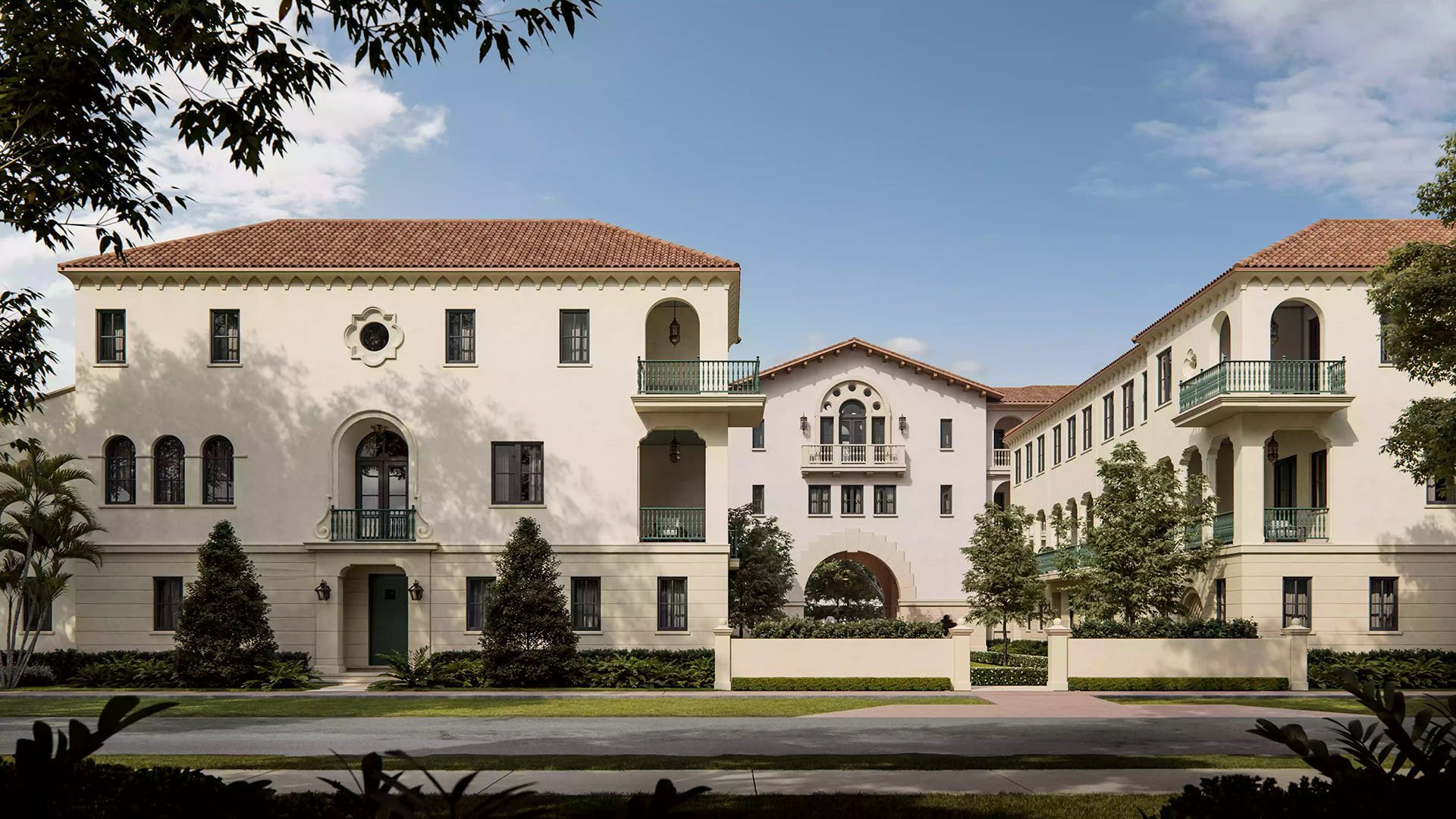
For buyers evaluating The Village at Coral Gables, the most useful question is whether nearby or unfinished work could affect the specific home under consideration. Orientation, outdoor space, entry points, parking access, and regular walking or driving routes can shape the experience more than a broad project-level description.
Current conditions can change as work progresses. Buyers should therefore treat every observation as time-sensitive and confirm material details shortly before signing a contract or closing.
Dust exposure may vary according to proximity, wind, active work areas, landscaping, and the condition of surrounding surfaces. A clean presentation at one entrance does not establish conditions at every facade, terrace, garage approach, or pedestrian route.
Inspect window tracks, balcony surfaces, exterior mechanical areas, planted edges, and parking approaches. Ask whether cleaning or maintenance has recently occurred, then consider whether the observed condition appears representative of ordinary use.
Construction noise is not uniform. Intermittent interior work, deliveries, landscaping, corrective work, and heavier exterior activity can produce different patterns and may be experienced differently from one room or exposure to another.
During a showing, pause music and mechanical systems when practical. Listen from bedrooms, living areas, outdoor spaces, and any room intended for remote work. A second visit at another weekday hour can help distinguish a brief event from a recurring condition.
Temporary access concerns may include curb occupancy, delivery vehicles, material staging, contractor movements, or short-lived pedestrian conflicts. Rather than assuming that the principal entrance reflects the full experience, test the routes likely to be used by residents, guests, service providers, and deliveries.
Drive to the property, enter the parking area, walk to the residence, and identify any alternative route that might be needed. Buyers with mobility, staffing, pet-care, or frequent-delivery requirements should evaluate those routines directly.
Terms such as “completed,” “delivered,” “occupied,” and “move-in ready” can refer to different milestones. A residence may appear finished while work involving common areas, landscaping, access points, or nearby spaces remains underway.
Request written confirmation of the status applicable to the exact residence. Relevant questions may include occupancy documentation, common-area readiness, parking availability, pedestrian access, remaining work, and any schedule that could affect daily use.
Buyers also considering Cora Merrick Park, Ponce Park Coral Gables, or Ziggurat Coconut Grove should apply the same residence-specific framework. Compare actual orientation, access, observed activity, and documented readiness rather than relying only on broad development terminology.
A consistent inspection method makes trade-offs easier to identify. It also separates temporary inconvenience from conditions that could materially affect a buyer’s intended use of the home.
Begin with a weekday visit during an active period, followed by another visit at a different time. Observe the home from inside and outside, test arrival and parking routes, and note any work that appears relevant to the residence.
Next, convert observations into written questions for the appropriate project or transaction representatives. Before closing, confirm whether earlier answers remain current and whether any material condition has changed.
Why should construction exposure be evaluated from the specific residence? Orientation, distance, outdoor areas, and access routes can make the experience different from one home to another.
When is the best time to assess possible construction activity? A weekday visit during active hours is useful, and a second visit at another time can reveal whether conditions vary.
What exterior areas should a buyer inspect for dust? Review balconies, window tracks, planted edges, garage approaches, and the routes used to enter the home.
How can a buyer assess noise inside the residence? Listen from bedrooms, living spaces, outdoor areas, and workspaces with music and mechanical systems paused when practical.
What temporary access issues should be considered? Look for curb use, delivery activity, contractor movements, staging, and pedestrian conflicts along regular routes.
Should buyers test parking and guest arrival routes? Yes. Buyers should experience the routes expected to be used by residents, guests, deliveries, and service providers.
Does a finished-looking residence confirm that all work is complete? No. Buyers should separately verify the status of common areas, landscaping, parking, access points, and nearby spaces.
What should be confirmed in writing before closing? Confirm residence-specific occupancy status, common-area readiness, parking and pedestrian access, and any remaining work that could affect use.
How should buyers compare the Village with other projects? Apply the same inspection and documentation standards to each residence rather than comparing only project-level descriptions.
Why should due diligence be repeated shortly before closing? Construction and access conditions can change, so earlier observations and representations should be checked again near closing.
To compare the best-fit options with clarity, connect with MILLION.
If branded residences are on your mind — as a home or as an allocation — we would be glad to share what we are seeing, privately.
Begin a quiet conversation