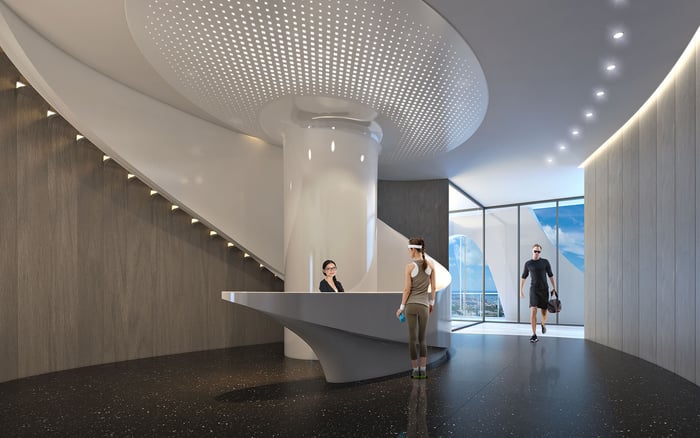
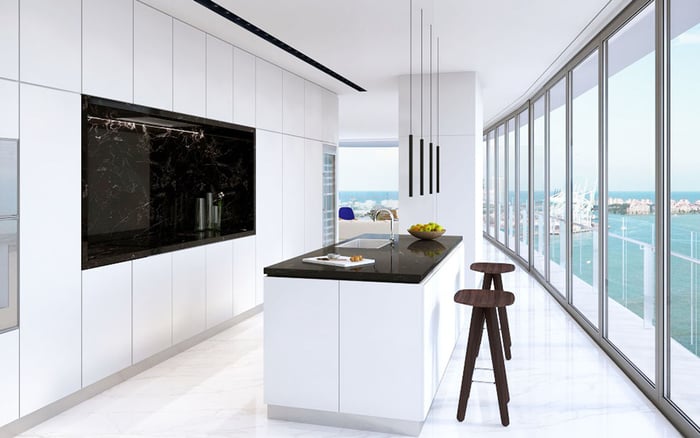
A practical planning guide for coordinating furniture, vendors, building procedures, and seasonal arrivals at One Thousand Museum in Downtown Miami.

At One Thousand Museum Downtown Miami, move-in readiness should be treated as a coordinated process rather than a single delivery date. Furniture, lighting, art, window treatments, technology, housekeeping, and provisioning can affect vendor access and installation order.
A practical benchmark is operational readiness: the planned furnishings are in place, essential services have been checked, the residence has been cleaned, and arrival-day needs have been addressed. Owners should confirm every building-specific requirement directly with current management rather than relying on assumptions or prior experience at another condominium.
Before vendors commit to dates, request the current rules for delivery days, installation hours, elevator scheduling, vendor entry, insurance documentation, protective coverings, staging, and removal of packing materials. Dimensions and access limitations should be checked before ordering any piece that may be difficult to move or disassemble.
Separate delivery planning from installation planning. Major furniture may need to arrive before fragile accessories, while lighting, art, and audiovisual work may require specialized crews. Contingency time can help prevent one delayed shipment from disrupting the full preparation schedule.
Owners comparing other Downtown Miami residences may also review Aston Martin Residences Downtown Miami, while recognizing that procedures must be verified independently for each property.
The responsibilities of building management and private service providers should be defined before work begins. Management may control common-area access, security procedures, elevator scheduling, and delivery approvals, while interior design, installation, housekeeping, technology setup, and private residence oversight may require separately retained vendors.
Designate one owner representative to maintain the schedule and consolidate vendor names, required documents, arrival times, and on-site contacts. A single communication channel can reduce conflicting instructions and make last-minute changes easier to manage.
Owners should also ask which requests require advance notice, which services carry fees, and who has authority to approve access. These details should be documented rather than handled through informal verbal instructions.
Seasonal readiness begins before the owner travels. The residence should be checked for climate comfort, connectivity, lighting, water, cleanliness, linens, kitchen basics, and any requested provisions. Guest and household-staff access instructions should also be reviewed before arrival.
Transportation planning and in-residence preparation should remain separate workstreams, each with its own confirmation and contact person. Any desired concierge, valet, transportation, security, or hospitality assistance should be reconfirmed for current availability, notice requirements, terms, and fees.
Buyers considering alternative service-oriented residences in Downtown Miami can explore Waldorf Astoria Residences Downtown Miami. An interiors-focused comparison may also include Casa Bella by B&B Italia Downtown Miami, with each building evaluated according to its current procedures.
Maintain a concise file containing current management contacts, approved dates, access confirmations, vendor documents, the installation sequence, service credentials, housekeeping timing, and an arrival-day contact sheet. Completion photographs and a written record of final checks can help the owner representative identify unresolved items.
Refresh the file before every seasonal return. Procedures, contacts, staff assignments, service coverage, and fees may change, so previous arrangements should not be treated as current approval. A final walkthrough should focus on eliminating practical friction before occupancy.
When should furniture delivery be scheduled? Request current building procedures before confirming dates with a retailer, designer, installer, or delivery company.
Should elevator access be arranged in advance? Confirm whether reservations are required and verify dimensions, capacity, timing, and protective measures before delivery.
What vendor documents may be requested? Ask management which insurance, identification, access, and authorization documents must be submitted and when they are due.
Can building staff manage the complete interior installation? Do not assume they can; clarify the building team's responsibilities and retain private vendors for tasks outside that scope.
Who should coordinate the move-in schedule? One designated owner representative should manage contacts, documents, timing, changes, and final confirmations.
How should large or custom furniture be planned? Verify access limitations before ordering, then allow contingency time for production, delivery, and installation changes.
What should be checked before a seasonal arrival? Review climate comfort, connectivity, water, lighting, housekeeping, linens, kitchen essentials, provisions, and access instructions.
Should prior-season arrangements be reused? They can serve as a reference, but all procedures, contacts, services, and fees should be reconfirmed before the next stay.
How should private services be distinguished from building services? Document which tasks management handles and which require separately contracted designers, installers, housekeepers, technicians, or residence managers.
What should happen during the final walkthrough? Check completed work against the readiness file, document unresolved items, and confirm who will address them before occupancy.
When you're ready to tour or underwrite the options, connect with MILLION.
If branded residences are on your mind — as a home or as an allocation — we would be glad to share what we are seeing, privately.
Begin a quiet conversation