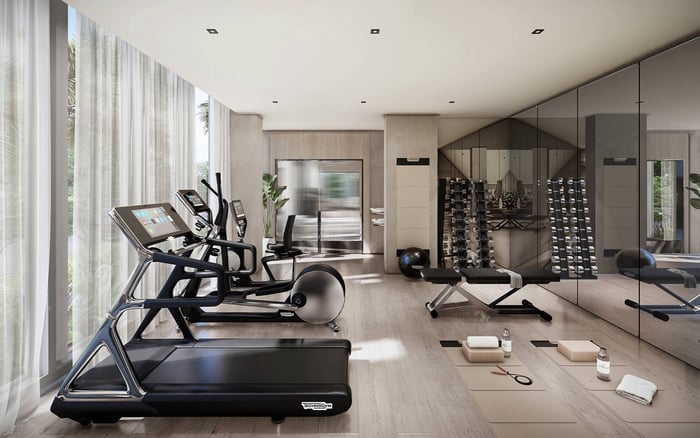
Mila’s Italian kitchens and Miele appliances invite a closer look at what follows delivery. Buyers should distinguish product warranties, installation responsibilities, and Florida’s statutory condominium protections before closing.
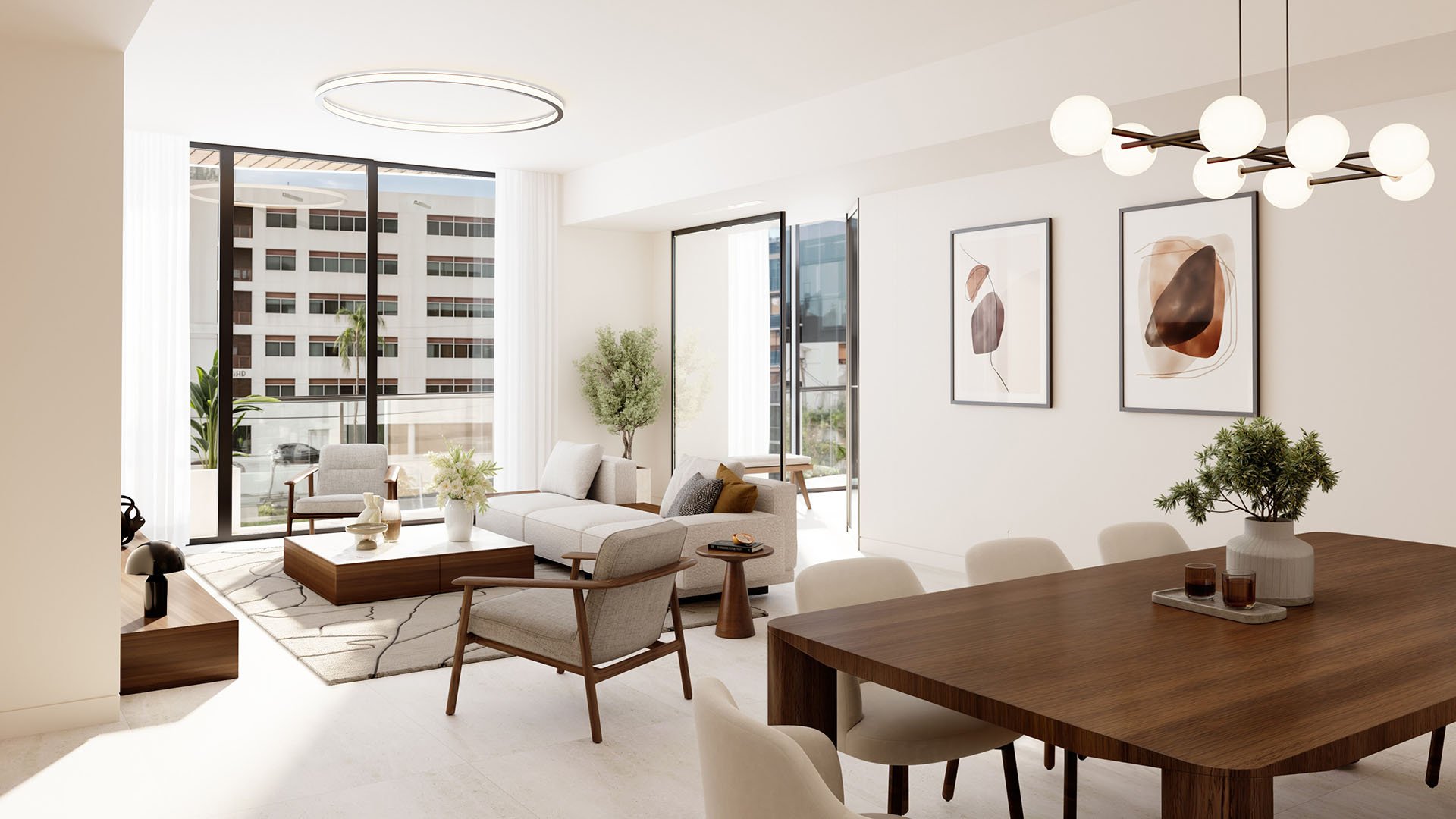
At Mila Bay Harbor Islands, Italian kitchens with Miele appliances are part of the advertised residential offering. Yet a beautifully specified kitchen and a clearly documented warranty are different assets. After closing, the questions become practical: what failed, who is responsible, when did coverage begin, and what must the owner do next?
There is no single warranty attached to the residence. Manufacturer coverage, contractual commitments, and Florida’s implied condominium warranties must be considered separately. An appliance malfunction, a cabinet alignment problem, and a leaking fixture may require different assessments, even when discovered in the same week.
Closing does not automatically start a fresh warranty period for every component. That distinction belongs in the buyer’s closing file, not in a later service dispute.
Mila’s advertised Miele package does not establish model-specific warranty terms. Nor does the description of Italian kitchens establish a particular millwork warranty, fixture manufacturer, or extended service arrangement. Confirm those details in the documents applicable to the residence.
Mila’s marketing illustrations are conceptual, and authorized representations and warranties are limited to those specifically stated in the purchase agreement and Condominium Documents. Buyers should distinguish the visual presentation from contractual specifications and written warranty commitments.
That limitation should not be read as eliminating statutory condominium warranties. Contractual promises and statutory rights are distinct. Have counsel review both rather than treating a rendering or sales conversation as the complete answer.
For buyers also considering Alana Bay Harbor Islands, the same document-first approach offers a useful basis for comparison without assuming identical materials or coverage.
For personal property transferred with a condominium unit, Florida’s statutory condominium protections include a developer warranty lasting as long as the manufacturer’s warranty, commencing at closing or possession, whichever occurs first. Both the applicable classification and the actual product documents matter.
Do not translate the Miele name into an assumed number of years or a promise that every service visit is covered. Request the model and serial number for each delivered appliance, the warranty document, any registration requirements, and written clarification of parts, labor, exclusions, and service arrangements.
Distinguish a product failure from an installation problem. If an appliance does not operate correctly, document the symptom without prematurely assigning a cause. The applicable warranty determines coverage; a manufacturer service request should not replace consideration of other potentially responsible parties.
Florida’s separate new-home warranty law excludes manufacturer-covered appliance defects within its own scope. That exclusion should not be imported into the statutory condominium protections.
Cabinet doors, drawers, finish surfaces, and fixtures deserve more careful analysis than “everything is covered for one year.” Florida’s condominium warranty framework includes a developer implied warranty of fitness and merchantability for each unit for three years after completion of construction. It separately includes contractor, subcontractor, and supplier implied warranties of fitness for their work or materials.
Within that contractor-side framework, the category covering other improvements and materials carries a one-year period from completion of construction. This is not a blanket one-year limit on every cabinet or fixture issue. Developer protections and applicable product warranties require separate review.
The nature of the problem matters as much as the component. A misaligned cabinet door, a damaged finish recorded at delivery, a failed fixture component, and deterioration appearing later should not automatically be grouped together. Product failure, installation defects, cosmetic delivery damage, and later wear require different factual assessments.
For a purchaser evaluating Bay Harbor Towers alongside Mila, comparing written warranty schedules is more useful than assuming similar-looking interiors receive equivalent protection.
A fixture inside a residence and the plumbing system serving the building are not interchangeable warranty categories. Contractor-side coverage lasts three years from completion for roofs, structural components, and qualifying mechanical and plumbing elements serving the building, excluding mechanical elements serving only one unit.
The developer warranty for roofs, structural components, and qualifying building-wide mechanical, electrical, and plumbing elements lasts three years after completion or one year after owner turnover, whichever is later, capped at five years after completion. Owner turnover and an individual buyer’s closing are different reference points.
Associations typically pursue warranty issues involving shared roofs, structures, and building systems. If a symptom inside the residence may involve a shared element, notify management and clarify responsibility rather than assuming it is exclusively an individual appliance or fixture claim.
Ask for an itemized schedule identifying each component, the responsible party, the coverage start date, exclusions, service contact, and written notice deadline. Request the relevant completion dates rather than calculating every period from closing.
At delivery, make the inspection specific:
Test appliances and fixtures, and record any abnormal operation.
Open cabinets and drawers, checking alignment and movement.
Photograph visible damage and retain the signed punch list.
Keep serial numbers, manuals, warranties, and written service correspondence together.
A punch list is useful evidence, but do not assume it satisfies every separate notice requirement. Ask how to submit each unresolved item and retain proof of delivery. Confirm Mila’s post-closing procedure in writing rather than presuming it.
This discipline also makes comparisons with Bal Harbour residences such as Rivage Bal Harbour more meaningful: evaluate documented responsibilities, not implied equivalence between projects.
Statutory condominium warranty benefits extend to successor owners, but resale does not restart the original statutory periods. Request the existing warranty file, relevant dates, unresolved notices, and service history rather than assuming a new purchase creates new coverage.
Routine maintenance also matters. Statutory condominium warranties are conditioned on it, subject to the statutory exception where the developer remains responsible for that maintenance. For a residence used intermittently, arrange a consistent maintenance routine and retain the records.
A warranty coverage period is not necessarily the deadline for filing every claim. Obtain legal advice promptly when a material defect or responsibility dispute arises. The strongest position combines clear documents, timely notice, and evidence of the condition as delivered and maintained.
For a considered approach to South Florida condominium ownership, connect with MILLION.
If branded residences are on your mind — as a home or as an allocation — we would be glad to share what we are seeing, privately.
Begin a quiet conversationMila advertises Italian kitchens with Miele appliances. The brand specification alone does not establish model-specific warranty terms.
No; several statutory periods run from completion of construction. The developer warranty for transferred personal property begins at closing or possession, whichever occurs first.
Florida’s statutory condominium protections include a developer implied warranty of fitness and merchantability for each unit for three years after completion of construction.
No; the contractor-side one-year category for other improvements and materials must be assessed separately from developer protections and applicable product warranties.
It should not be read that way. Limits on authorized contractual representations are distinct from statutory condominium warranty rights.
Request its model and serial number, actual warranty terms, coverage dates, exclusions, service contact, and any registration requirements. Clarify parts and labor coverage in writing.
The condominium association typically pursues issues involving shared roofs, structural components, and building systems. Owners should notify management when an in-unit symptom may involve a shared element.
Yes, statutory condominium warranty benefits extend to successor owners. A resale purchase does not restart the original statutory coverage periods.
Yes; statutory condominium warranties are conditioned on routine maintenance, subject to the exception where the developer remains responsible for that maintenance.
No; coverage periods and claim-filing deadlines are distinct. Buyers should obtain legal advice promptly about notice requirements and applicable deadlines.