A discreet buyer’s guide to evaluating South Florida residences where protected views, waterfront orientation, neighboring parcels, and long-term privacy shape value.
For a Mexico City buyer considering Bal Harbour, the first surprise is not the water. It is the way a South Florida home is judged by what can be seen, what may remain open, and what could change over time. In a vertical capital city, the most coveted homes often manage light, garden, skyline, and privacy through architecture. Along the coast, those same instincts apply, but the vocabulary shifts to ocean, bay, marina, park, setback, and view corridor.
A protected view corridor should never be treated as a decorative phrase. It is a diligence question. What is protected, by whom, under what instrument, and from which point inside the residence? A view from the living room is not the same as a view from a terrace. A framed water line over a neighboring roof is not the same as an unobstructed horizon. The buyer who understands that distinction negotiates with far greater confidence.
In Bal Harbour, the most refined purchase decisions often begin with restraint: fewer assumptions, closer reading, and a willingness to compare exposures at different times of day. Residences such as Rivage Bal Harbour can be part of that conversation because the area itself attracts buyers who value quiet waterfront living, controlled arrival, and a measured relationship between architecture and outlook.
A protected corridor is best understood as a view condition that may be supported by planning rules, recorded documents, project approvals, easements, setbacks, or design commitments. The key word is may. Luxury buyers should ask counsel and advisors to separate enforceable protection from attractive description.
The practical questions are straightforward. Is the corridor referenced in documents available for review? Does it protect a cone of vision, a height limit, a spacing requirement, or a public-facing view line? Does it benefit the residence directly, or does it primarily preserve a civic or streetscape condition? Can a future owner, board, municipality, or neighboring parcel owner alter the practical experience of the view?
This is where disciplined buyer guidance becomes more than lifestyle reading. The view premium in a coastal home can be meaningful, but the durability of that premium depends on evidence. A buyer should request plans, surveys, condominium documents, neighboring parcel context, and any approval materials that clarify the surrounding envelope. The goal is not to become a planner. The goal is to avoid paying for poetry when the market is pricing permanence.
Mexico City buyers often understand privacy in a sophisticated way. A home in Polanco, Lomas, or Roma may be selected for filtered light, mature trees, deep terraces, and separation from neighboring eyes. In South Florida, the same sensibility should be applied to glass, water, and height.
A high floor does not automatically create the best living experience. Some buyers prefer the drama of a broad horizon. Others want a lower, more tactile relationship with water, gardens, boats, or palms. A residence can be spectacular and still feel exposed if adjacent buildings look directly into the principal rooms. Conversely, a more modest elevation can feel serene if its sightlines are layered and private.
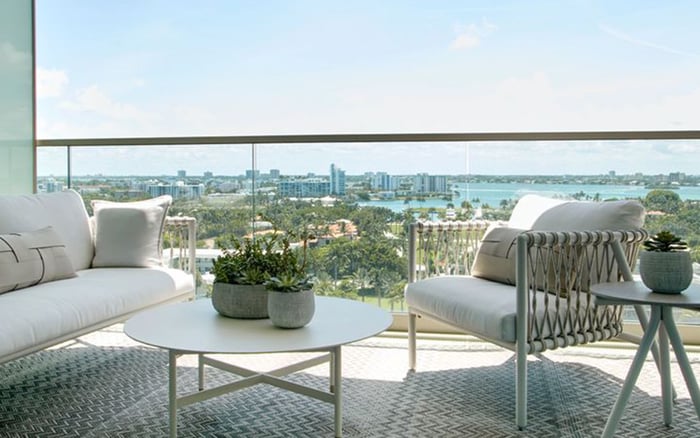
When touring oceanfront property, stand in the rooms where life actually happens. Sit at the breakfast table. Open the terrace doors. Look from the primary suite at night, not only at noon. Ask whether the view is central, diagonal, partial, seasonal, or dependent on furniture placement. The most elegant homes do not merely display a view. They allow the view to support daily rituals.
Bal Harbour appeals to buyers who want discretion, beach proximity, and a village-like sense of arrival. Yet even in the most coveted enclaves, views are shaped by neighboring parcels. A buyer should look beyond the residence and study the blocks, lots, waterfront edges, and nearby structures that form the visual field.
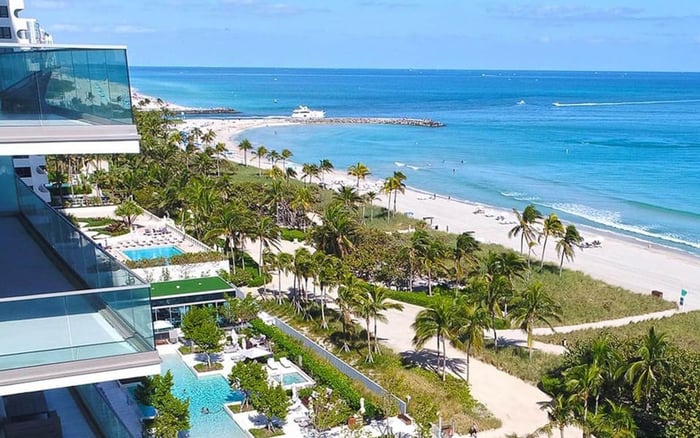
In and around Bal Harbour, a buyer might compare a direct beachfront residence with a bay-facing home or a more protected garden exposure. A beachfront building can naturally draw attention to the coastal lifestyle, but the deeper question remains the same in every tour: what exactly are you seeing, and how resilient is that composition?
Nearby Surfside offers another lens. It can appeal to buyers who want coastal intimacy and a quieter scale, while remaining connected to the same broader luxury corridor. In that context, The Delmore Surfside may enter the discussion for buyers comparing privacy, architectural presence, and view orientation across adjacent communities.
Not all waterview residences behave alike. Ocean views are prized for their openness and emotional clarity, but they can also bring strong light and a constant horizon. Bay views may feel softer and more cinematic, especially in the evening. Skyline views create energy and depth. Garden or pool views can deliver privacy and calm, particularly when framed by thoughtful landscaping.
The right choice depends on how the buyer lives. A family using the home during school holidays may value easy terrace use and shaded outdoor rooms. A couple dividing time between Mexico City and South Florida may prioritize lock-and-leave simplicity, privacy, and a view that feels restorative on arrival. A collector may care about wall space and controlled light as much as the panorama.
In Sunny Isles Beach, the vertical nature of the shoreline can make view analysis especially precise. A residence such as St. Regis® Residences Sunny Isles belongs in a different visual conversation than a low-rise bayfront address. Neither is automatically superior. The better choice is the one whose exposure, height, adjacency, and long-term context align with the buyer’s daily use.
Before making an offer, ask for a view study in plain language. What parcels are in front of or beside the home? Are there vacant, underbuilt, or potentially redevelopable sites within the visual field? Do condominium documents or recorded materials address view rights, terrace use, window treatments, exterior modifications, or future changes? Are there public areas, service areas, or neighboring amenities that affect privacy?
During a second showing, bring a compass mindset. Morning light, afternoon glare, sunset reflections, and night visibility all change the character of a residence. A home that feels luminous at 11 a.m. may feel exposed after dark. A terrace that photographs beautifully may be less comfortable in certain wind or sun conditions. None of this diminishes the asset. It simply defines it.
For buyers considering bayfront alternatives near Bal Harbour, La Baia North Bay Harbor Islands can be part of a broader comparison of water orientation, neighborhood rhythm, and privacy. The point is not to chase the widest view. It is to select the view that will still feel intelligent years after closing.
A protected view can justify a premium when the protection is understandable and durable. A beautiful but uncertain view may still be worth buying, but it should be priced with that uncertainty in mind. This is the distinction sophisticated buyers make: they do not reject ambiguity, they discount it.
In luxury real estate, the best purchase is often the one where architecture, setting, and legal context agree. If those elements do not agree, the buyer should know exactly which compromise is being accepted. For a Mexico City family moving capital into South Florida, the view is not simply a backdrop. It is a daily asset, a privacy instrument, and a resale narrative.
What is a protected view corridor? It is a view condition that may be supported by planning, recorded documents, approvals, easements, or design controls. Buyers should verify the exact source and scope before assigning value.
Is every advertised protected view legally protected? No. Marketing language and enforceable rights are different, so the documents should be reviewed before relying on the claim.
Should I prioritize an ocean view or a bay view? Choose based on daily use, light tolerance, privacy, and atmosphere. Ocean views feel expansive, while bay views can feel softer and more layered.
Why does floor height matter? Height can improve breadth of view, but it can also change wind, light, and the relationship to the water. The best floor is the one that supports how you live.
Can neighboring development affect my view? It can, depending on the parcels, rules, and approvals around the property. Review nearby sites and documents before paying a view premium.
What should Mexico City buyers watch most closely? Privacy, light, terrace usability, and adjacency deserve close attention. These qualities often matter as much as the headline view.
Is Bal Harbour different from Surfside? Each has its own rhythm and residential character. Buyers should compare scale, exposure, privacy, and access rather than relying on name recognition alone.
Are waterview homes always better for resale? Strong views can support resale, but durability and privacy matter. A verified, livable view is more compelling than a dramatic but uncertain one.
Should attorneys review view-related materials? Yes. Counsel can help distinguish binding rights from descriptive language and identify documents that affect future use or visibility.
When should I evaluate the view during a showing? Visit at different times when possible, including daylight and evening. The same residence can feel very different as light and privacy conditions change.
To compare the best-fit options with clarity, connect with MILLION.
If branded residences are on your mind — as a home or as an allocation — we would be glad to share what we are seeing, privately.
Begin a quiet conversation