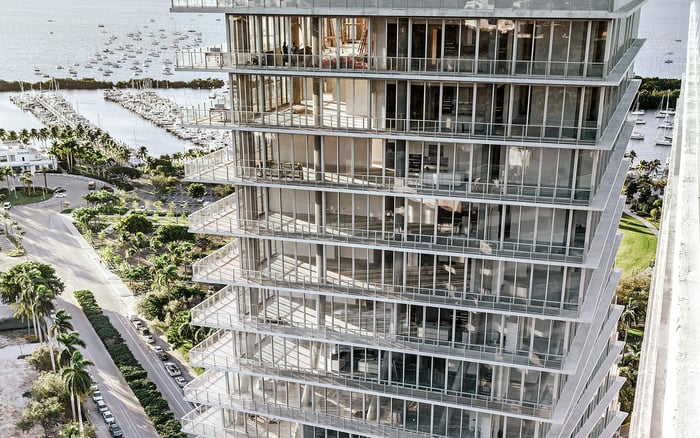
A discreet buyer’s guide to planning insurance conversations before acquiring waterfront real estate in Coconut Grove, with emphasis on coverage layers, closing sequence, association documents, boat-slip rights, and second-home stewardship.
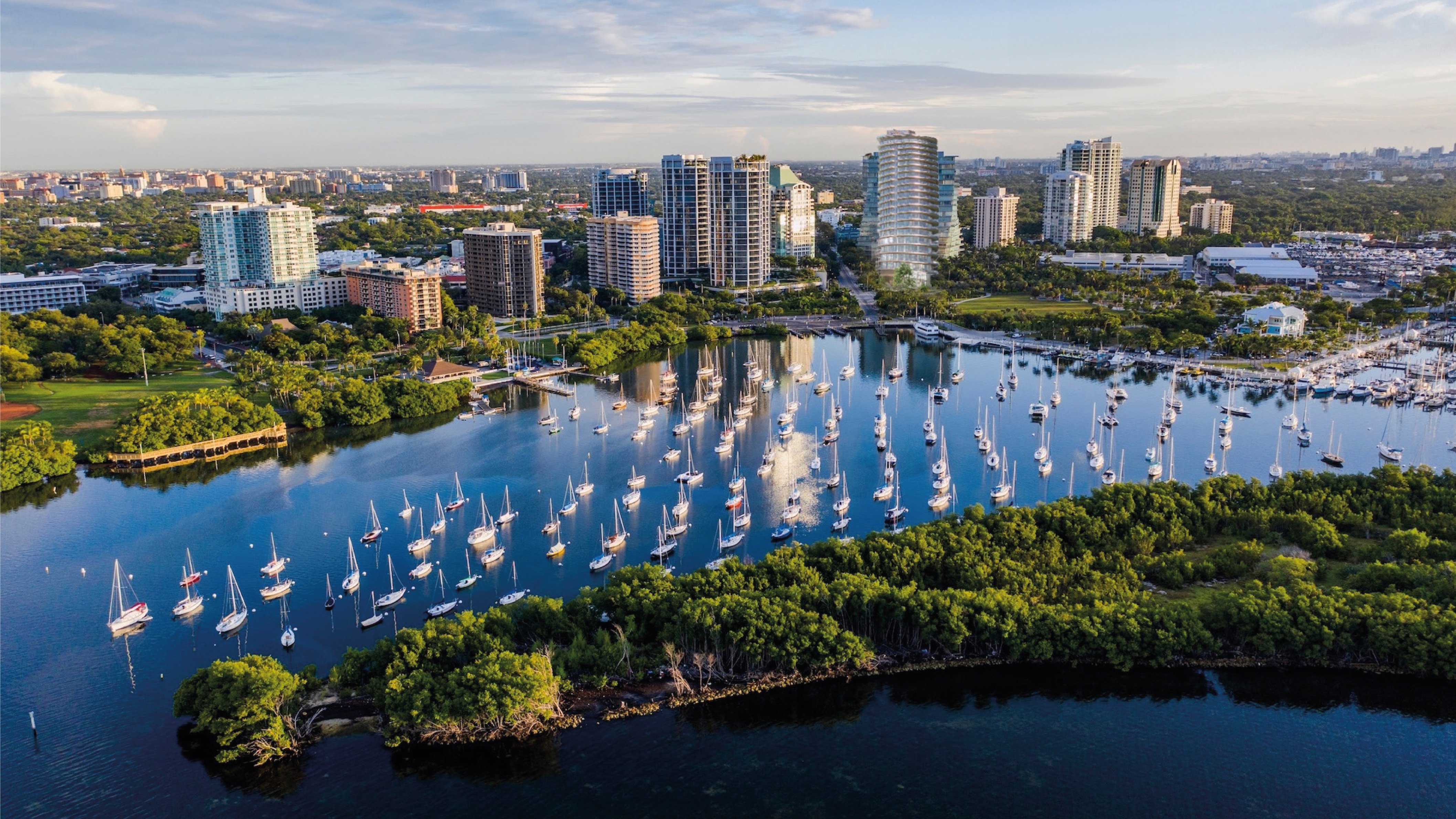
For a buyer moving from Madrid to Coconut Grove, the romance of waterfront ownership is immediate: filtered bay light, mature canopy, private terraces, and a pace that feels both urban and discreet. The practical side is less cinematic, but equally important. Insurance planning should begin before an offer is written, especially when the property touches the water, overlooks Biscayne Bay, includes private outdoor space, or sits within a high-service condominium or association structure.
The most sophisticated buyers treat insurance as part of acquisition strategy, not as an administrative closing item. A lender, if involved, may have its own coverage expectations. A condominium association may carry master policies with deductibles and exclusions that shape the owner’s personal responsibility. A waterfront residence may also require separate conversations around wind, flood, contents, liability, temporary relocation, watercraft, and domestic staff or household employees. The goal is not simply to obtain a policy. It is to understand the full risk architecture before capital is committed.
In Coconut Grove, where privacy and lifestyle often matter as much as square footage, buyers comparing homes or residences such as Four Seasons Residences Coconut Grove should ask the same question they ask of design, service, and location: what is already protected, what must be added privately, and what remains self-insured by choice?
A European buyer may be accustomed to a different rhythm of real estate diligence. In South Florida, insurance can influence timing, lender comfort, association review, and even the negotiation of contingencies. The vocabulary is also more layered. A single residence may involve a master association policy, an owner’s interior policy, flood considerations, umbrella liability, scheduled valuables, and coverage for improvements that exceed standard finishes.
The most elegant approach is to assemble the advisory circle early. That typically includes a real estate advisor, insurance broker, closing attorney, lender if financing is used, tax counsel, and the property manager who will help after closing. For a second-home buyer, the conversation should also include occupancy patterns. A property used seasonally may be viewed differently from a primary residence, particularly when the home is vacant for extended periods or staffed only intermittently.
This is where discretion matters. Ultra-premium ownership often includes art, wine, jewelry, designer furnishings, exterior kitchens, specialty lighting, smart-home systems, and custom millwork. These assets may require specific attention. A standard contents conversation rarely captures the full value of a finished waterfront home.
A condominium purchase is not insured in the same way as a single-family estate. In a luxury condominium, the association’s master policy may address the building, common areas, and certain structural elements. The owner’s responsibility may begin inside the residence, including finishes, furnishings, personal property, liability, and loss assessment exposure. The buyer should review association documents and insurance summaries with counsel and an insurance professional before assuming the master policy solves everything.
In a single-family waterfront estate, the owner carries a broader burden. The house, site improvements, gates, docks, seawalls, guest structures, pool systems, landscape, and detached features may each need discussion. Even when a property feels turnkey, its insurance profile may differ based on age, elevation, construction, prior updates, and proximity to the water.
For condominium-minded buyers touring Park Grove Coconut Grove or Vita at Grove Isle, the key is to separate lifestyle amenities from insurable obligations. A staffed building may simplify ownership, but it does not eliminate the need for owner-specific coverage. Likewise, a villa or townhouse structure may blend elements of both worlds, requiring careful review of who maintains and insures what.
Waterfront is not a single category. A residence with open bay exposure, a protected canal setting, a private dock, or a marina-adjacent lifestyle may present different insurance questions. The owner should clarify whether waterfront features are part of the deeded property, association property, limited common elements, or separately licensed rights.
Boat-slip arrangements deserve particular care. A boat slip may be deeded, assigned, leased, or governed by association rules. The insurance conversation should address not only the vessel, but also dock liability, guest use, storms, maintenance obligations, and whether any association requirements apply. A yacht policy is not a substitute for understanding property-side obligations.
Outdoor living also changes the conversation. Waterfront residences frequently emphasize terraces, summer kitchens, pools, landscaping, water features, and movable furnishings. Buyers should ask how these elements are treated, whether limits apply, and whether high-value exterior contents require scheduling or documentation. The more curated the residence, the more specific the inventory should be.
Before signing, a buyer should request the documents needed to obtain preliminary insurance guidance. For a condominium, that may include association insurance summaries, budget materials, relevant declarations, rules, and information about deductibles or assessment procedures. For a single-family home, the diligence package may include elevation-related materials where available, roof and systems information, prior renovation records, surveys, and details on docks or seawalls if relevant.
This is not about slowing the transaction. It is about protecting optionality. If coverage is expensive, limited, or requires additional inspections, the buyer should know before deadlines expire. If financing is involved, the lender’s insurance expectations should be aligned early. If the buyer is paying cash, the discipline remains valuable because the economic risk stays with the owner.
For buyers drawn to newer Coconut Grove projects such as The Well Coconut Grove, the diligence may feel simpler, but it should not become casual. New construction can offer clarity in some areas while introducing association documents, warranties, build-out responsibilities, and personal coverage decisions that still require review.
A thoughtful coverage stack often begins with property and liability, then expands into flood, wind, contents, valuables, umbrella liability, loss assessment, domestic employment considerations, and watercraft-related coverage where relevant. The exact structure depends on the property type, ownership entity, financing, household composition, and how the home will be used.
International buyers should also coordinate insurance ownership with the legal ownership structure. A residence held personally may be treated differently from one held through an entity or trust. Names on policies, named insureds, additional insureds, lenders, and managers should be reviewed carefully. Small mismatches can become large problems after a claim.
Inventory is another mark of sophistication. Before occupancy, owners should document art, furnishings, electronics, watches, jewelry, and specialty items. For a furnished acquisition, values should be reviewed rather than assumed. In a design-forward waterfront home, the difference between replacement and approximation can be material.
Insurance planning does not end at closing. The first year of ownership is when systems are tested, vendors are selected, and the property’s operating rhythm becomes clear. A seasonal owner should formalize storm preparation, routine inspections, access protocols, leak detection checks, and vendor authority. If household staff, house managers, captains, or contractors enter the property, the liability conversation should be updated.
Renovations also require notice. Even seemingly elegant changes such as new millwork, terrace furnishings, lighting, flooring, kitchen upgrades, or art installation may alter the value at risk. If the home becomes more valuable after closing, the coverage should evolve with it.
The best owners in Coconut Grove view insurance as stewardship. It protects lifestyle continuity, family privacy, design investment, and the long-term enjoyment of the home. For a Madrid buyer, that mindset transforms insurance from paperwork into a quiet form of control.
When should a Madrid buyer begin insurance planning for Coconut Grove? Begin before making an offer, or at minimum before contractual deadlines expire. Early review helps align coverage, financing, and closing expectations.
Is condominium insurance simpler than insuring a waterfront house? It can be simpler in some ways, but it still requires careful review of the master policy, owner responsibility, deductibles, and personal coverage needs.
Does a master association policy protect everything inside the residence? Not necessarily. Interior finishes, furnishings, valuables, liability, and assessment exposure may require separate owner coverage.
Should cash buyers care as much as financed buyers? Yes. A lender may impose requirements, but a cash buyer still carries the economic risk of loss, interruption, liability, and underinsurance.
What should be reviewed for a waterfront estate? The buyer should discuss the residence, site improvements, dock or seawall features, exterior contents, flood considerations, and liability profile.
How does seasonal use affect planning? Seasonal use can make vacancy, property checks, storm preparation, and emergency access especially important. A written management protocol is advisable.
Are boat and dock risks covered by the same policy? They may require separate or coordinated coverage. Vessel insurance and property-side dock liability should be reviewed together.
Do art and designer furnishings need special treatment? Often, yes. High-value items should be inventoried, documented, and discussed so limits and valuation methods are appropriate.
Should insurance be coordinated with estate or entity planning? Yes. Ownership structure, named insureds, trusts, entities, lenders, and managers should align before closing.
What is the most overlooked insurance issue for luxury buyers? Many buyers focus on premiums and miss exclusions, deductibles, loss assessments, vacancy conditions, and high-value contents documentation.
For a confidential assessment and a building-by-building shortlist, connect with MILLION.
If branded residences are on your mind — as a home or as an allocation — we would be glad to share what we are seeing, privately.
Begin a quiet conversation