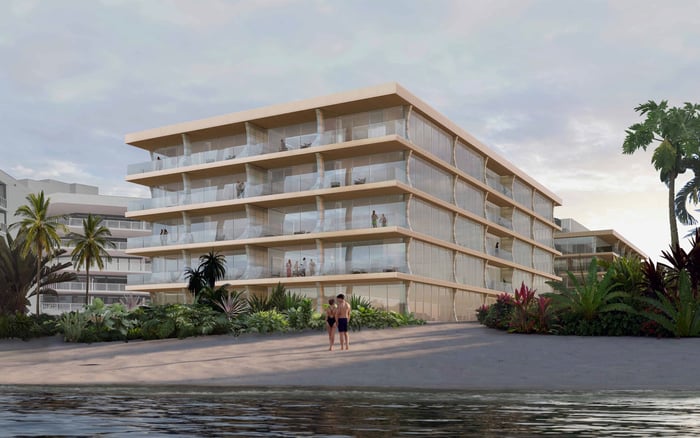
A discreet buyer guide to coordinating a Manhattan to Palm Beach move, aligning business structure, daily routines, and South Florida residential choices before committing to a purchase.
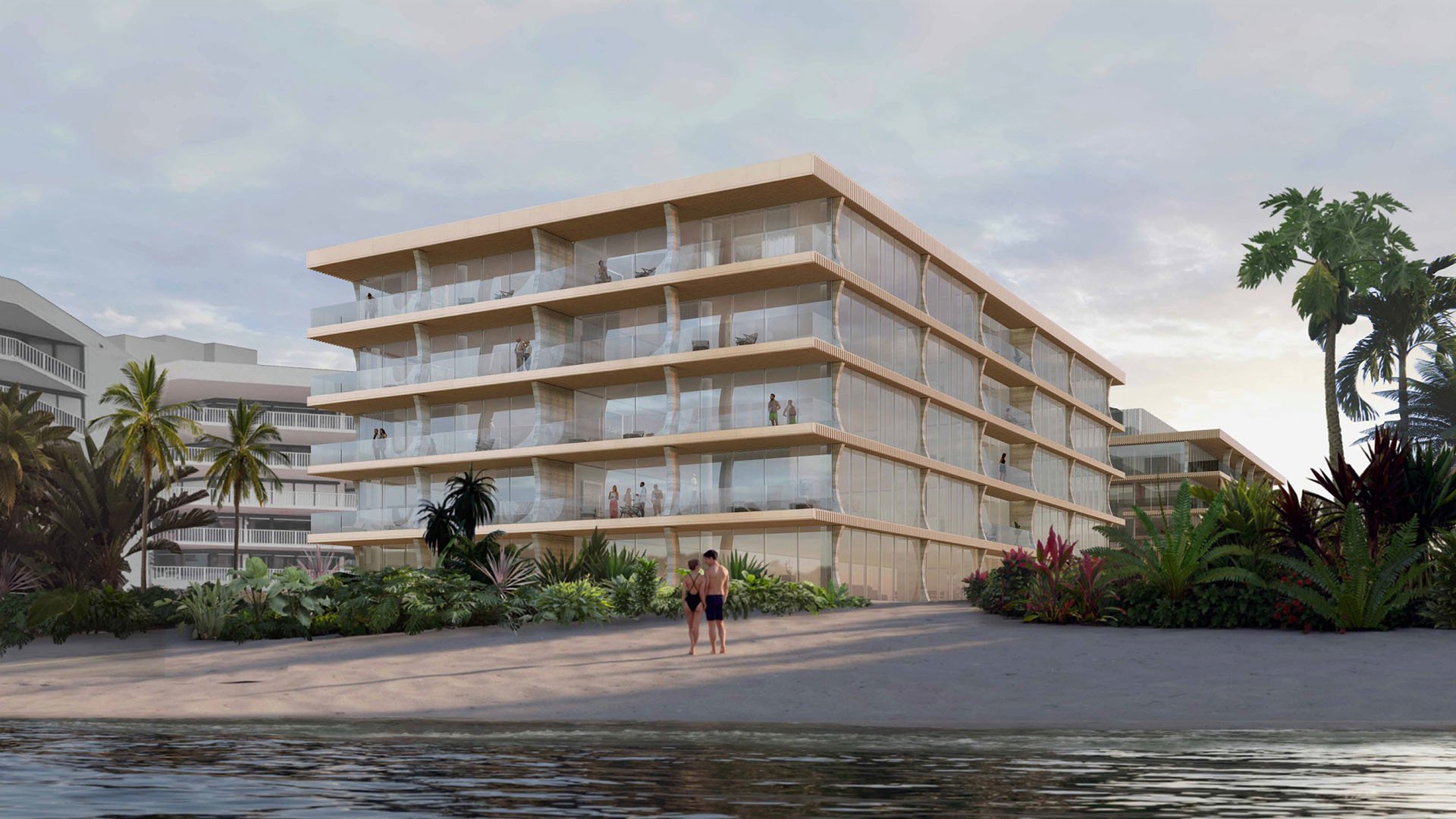
For a Manhattan buyer considering Palm Beach, the first mistake is treating the move as purely residential. The more refined approach is to view the purchase as part of a broader operating plan: where decisions will be made, where family life will settle, how travel will function, and which residence best supports a new rhythm without overexposing private priorities.
South Florida can feel deceptively simple from a distance. A buyer may begin with the romance of Palm Beach, then realize that business meetings, schools, healthcare routines, marina access, philanthropic obligations, or Miami-based relationships pull the search across a wider map. The best residential strategy is not necessarily the largest home or the most recognizable address. It is the property that makes the relocation durable.
That often means separating emotional preference from operational need. The residence should serve the household, not the other way around.
Before shortlisting residences, define the weekly pattern. Will the principal work primarily from home, from a dedicated office, or across several South Florida locations? Will Manhattan remain part of the calendar? Will visiting partners, adult children, staff, or family office personnel need nearby accommodations? These answers shape the search more than finishes or views.
A buyer whose business life remains relationship-driven may need a residence that allows easy movement between Palm Beach, West Palm Beach, and Miami. Another may prioritize privacy, a quieter daily cadence, and a home that functions as a true primary base. The important point is sequence: establish the business map first, then evaluate the residence.
This is where the difference between Palm Beach identity and West Palm Beach practicality becomes useful. A buyer drawn to the island’s discretion may still want proximity to the growing residential options across the water. Projects such as Alba West Palm Beach and Forté on Flagler West Palm Beach can enter the conversation when the brief calls for condominium living near the Palm Beach orbit without assuming that every requirement belongs on the island itself.
A Palm Beach acquisition can play several roles. It may be the primary residence, a seasonal base, a family compound, a discreet lock-and-leave apartment, or a foothold while a longer-term estate search continues. Each use case carries different implications for layout, staffing, storage, guest circulation, parking, service access, and privacy.
If the move is tied to a business relocation, the residence should also be reviewed through a continuity lens. A beautiful home that cannot comfortably support confidential calls, visiting advisers, secure document handling, or calm family routines may become frustrating quickly. Conversely, a smaller residence with the right separation between public and private spaces can outperform a larger property with poor flow.
For buyers who want a Palm Beach branded search term without prematurely narrowing the geography, Palm Beach Residences offers a natural reference point within the approved Palm Beach conversation. The key is not to force the purchase into a label. The better question is whether the residence supports the life being built.
Many Manhattan buyers arrive with Palm Beach in mind, then discover that Miami remains relevant to business, dining, design, finance, art, or international travel patterns. That does not mean the primary residence should move south. It means the residential strategy should acknowledge Miami rather than ignore it.
Brickell is often considered when the buyer wants a high-service urban residence that can complement a Palm Beach base. In that context, The Residences at 1428 Brickell may appeal to those studying a vertical, business-oriented lifestyle, while St. Regis® Residences Brickell can sit in a different part of the same strategic discussion.
The point is not to own in every market. It is to avoid buying one property and later realizing the household needs two different types of South Florida access. For some, one well-chosen Palm Beach residence is enough. For others, a Second-home in Miami or a pied-à-terre closer to recurring meetings may reduce unnecessary friction.
A relocating buyer should be clear about whether the property is primarily a home, an Investment, a legacy asset, or a flexible bridge. Each answer changes the due diligence. A personal residence can be evaluated around comfort, privacy, and long-term fit. An Investment lens adds questions about liquidity, rental policies, carrying costs, and resale audience. A bridge purchase requires discipline, because the buyer must avoid over-customizing a property that may later be sold or repurposed.
New-construction can be compelling for buyers who value modern systems, fresh design, and simplified maintenance planning, but it deserves careful review. Timelines, deposit structures, association rules, delivery expectations, and customization windows require close attention. Resale can offer immediacy, but may require renovation planning, insurance review, and a deeper understanding of building culture.
Neither category is inherently superior. The correct choice is the one aligned with the buyer’s business relocation timeline and tolerance for complexity.
The most sophisticated relocations are choreographed early. Legal counsel, tax advisers, estate planners, insurance specialists, lenders, and property managers should be aligned before a binding commitment. The home purchase, business relocation, residency planning, entity structure, and estate plan may all touch one another.
This coordination is especially important for buyers moving from Manhattan, where long-established advisory teams may not know the nuances of South Florida property operations. A trusted New York adviser may remain central, but local expertise can identify practical issues that do not appear in glossy presentations: association approvals, renovation rules, service access, flood and wind coverage, generator capacity, parking logistics, pet policies, and staff movement.
The goal is not to complicate the purchase. It is to avoid discovering preventable constraints after closing.
A move from Manhattan to Palm Beach rarely needs to be solved in one transaction. The first residence can establish presence, test routines, and give the family time to decide whether the ultimate home should be on the island, near West Palm Beach, farther south in Miami, or divided between markets.
This phased approach is particularly useful for buyers whose business relocation is still evolving. A company may change its office needs. Children may settle into different routines. Travel may become heavier or lighter than expected. Social and philanthropic commitments may redirect the household’s center of gravity.
The most elegant residential strategy leaves room for those discoveries. It protects optionality while still allowing the buyer to live well from the first season.
Should I buy in Palm Beach before finalizing my business relocation? Ideally, the business plan and residential plan should be developed together. A home that looks perfect on paper may not support the daily operating pattern.
Is West Palm Beach a substitute for Palm Beach? It is better viewed as a complementary option. Some buyers prefer the Palm Beach identity, while others value West Palm Beach access and condominium convenience.
Should I keep a Miami residence if I move to Palm Beach? It depends on where business and personal routines actually occur. A Miami Second-home can be useful when meetings or relationships frequently pull the household south.
Is Brickell relevant to a Palm Beach buyer? Brickell can be relevant when the buyer wants an urban base for finance, professional meetings, or hospitality. It should be evaluated as part of the broader operating map.
Is New-construction better for relocating buyers? New-construction may offer modern systems and a cleaner ownership start, but timing and contract structure matter. Resale may be better when immediacy is the priority.
How should I think about Investment value? Investment should be evaluated separately from lifestyle appeal. Liquidity, buyer depth, carrying costs, and flexibility all deserve review.
What advisers should be involved early? Legal, tax, estate, insurance, lending, and property management advisers should be aligned before contract execution. Their guidance can prevent avoidable friction.
Can one residence satisfy both family and business needs? Sometimes, but the layout must support privacy, work, guests, and service circulation. A beautiful residence is not always an efficient operating base.
Should I rent before buying? Renting can help test routines, but it may not provide the same certainty or customization as ownership. The answer depends on timing and conviction.
What is the most important first step? Define how you will live and work in South Florida before selecting addresses. The right property should follow the strategy.
For a tailored shortlist and next-step guidance, connect with MILLION.
If branded residences are on your mind — as a home or as an allocation — we would be glad to share what we are seeing, privately.
Begin a quiet conversation