A discreet guide for founders weighing branded hospitality against quieter residential service when relocating leadership teams across South Florida’s luxury corridors.
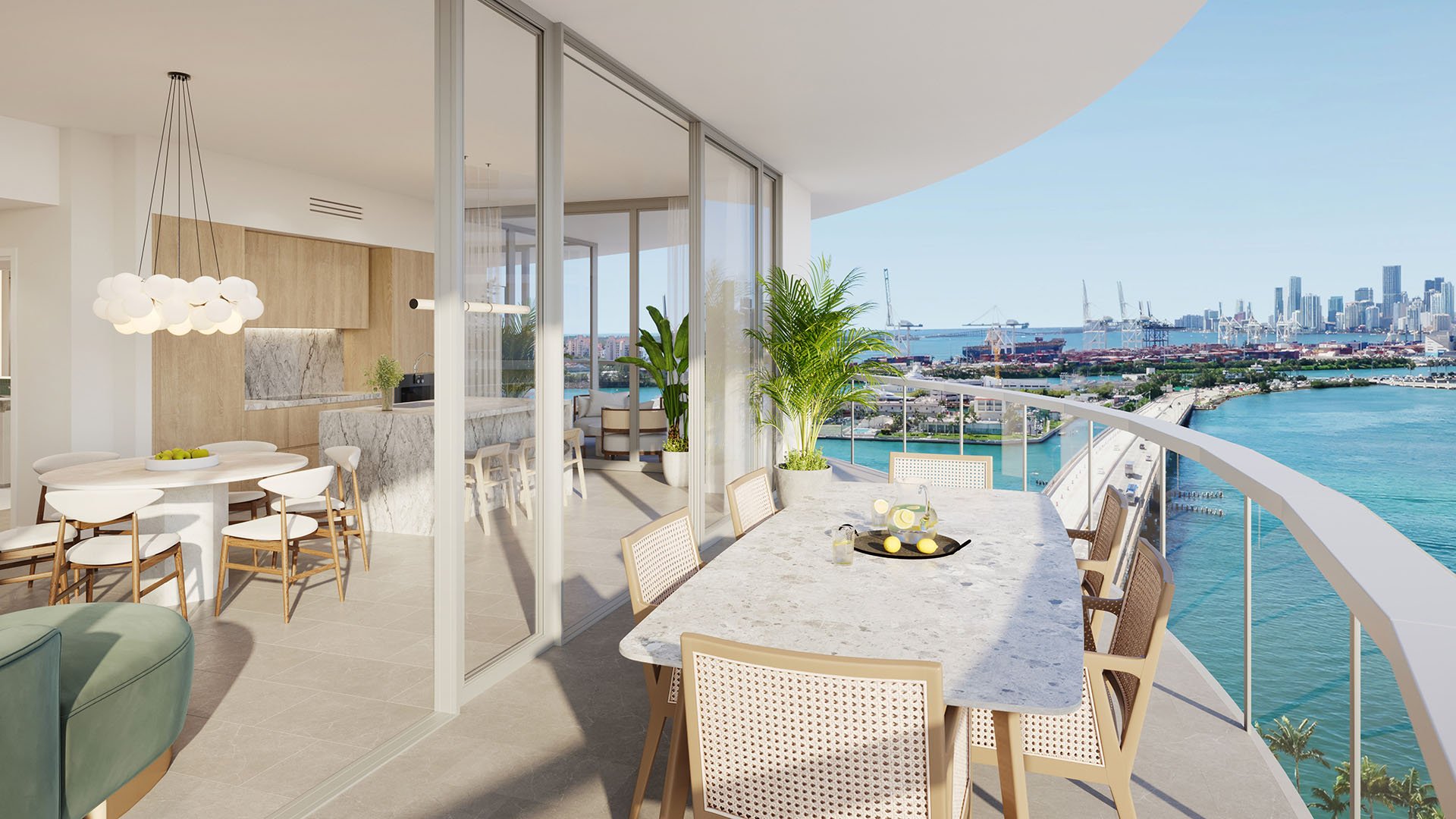
For founders relocating leadership teams to South Florida, the service conversation is rarely about indulgence. It is about velocity, privacy, and how a household or executive rhythm absorbs pressure. A residence can feel gracious on arrival and still be operationally wrong for a principal moving between board calls, school schedules, investor dinners, private aviation, and family time.
The choice often appears simple: formal hospitality or quiet residential service. In practice, it is a more exacting question. Does the household need visible choreography, with recognizable rituals and a polished public-facing layer? Or does it need invisible competence, where staff, access, maintenance, and privacy function with minimal display?
For a founder, the answer should follow how leadership actually lives. A single principal relocating alone may value front-of-house polish and on-demand coordination. A family office household may prize discretion, back-of-house intelligence, and staff who know when not to appear. A leadership team setting up in Brickell may think differently from a founder anchoring family life closer to the beach, the grove, or Palm Beach.
Formal hospitality matters when the residence also serves as a stage for professional life. If the founder expects frequent guests, investor meetings, advisory dinners, or visiting executives, ceremony can reduce friction. A polished arrival sequence, consistent greetings, recognizable service standards, and a hospitality-oriented environment can make hosting feel controlled rather than improvised.
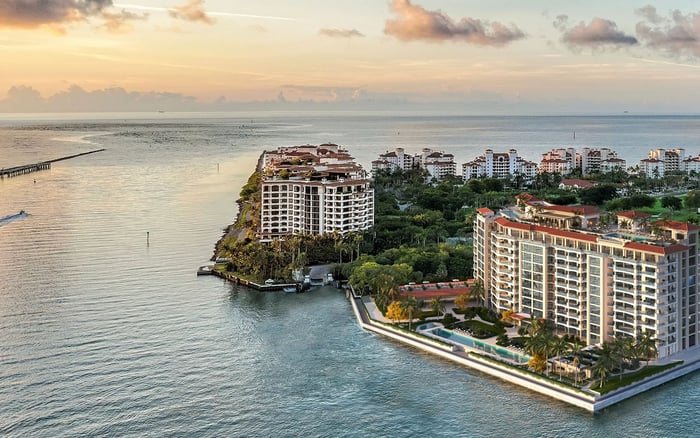
This is where branded residential language often appeals to relocating executives. In Brickell, for example, St. Regis® Residences Brickell and Cipriani Residences Brickell sit naturally in conversations about a more formal residential experience. The attraction is not simply a name. It is the expectation that arrival, reception, amenity spaces, and guest interaction will feel composed.
For founders moving a leadership center, this can be useful. Visiting colleagues do not need a long explanation of where to go, how to enter, or how to navigate the building. Spouses and family members may appreciate the predictability. Assistants can coordinate around a front-of-house culture that is easy to understand. Formal service, when executed well, compresses decision fatigue.
Yet formality has a cost. The more ceremonial the experience, the more visible the household can feel. Some principals enjoy recognition. Others consider it a tax on privacy. For them, the better residence may be one where service is present but not performative.
Quiet service is not limited service. It is a more discreet form of competence. The best version feels almost residentially native: secure access, thoughtful maintenance, calm staff interactions, protected elevators or entries where available, and a culture that does not overstate itself.
This model suits founders who separate business visibility from domestic privacy. It is often preferred by families, executives who travel frequently, and principals who want their residence to feel restorative rather than theatrical. In that environment, the question is not, “Who greets me?” It is, “How little must I manage?”
Quiet residential service also matters in leadership relocation because the home becomes a stabilizer. A founder may be asking senior team members to change cities, alter school routines, reset commutes, and build a new social map. Service that reduces noise can be more valuable than service that announces itself.
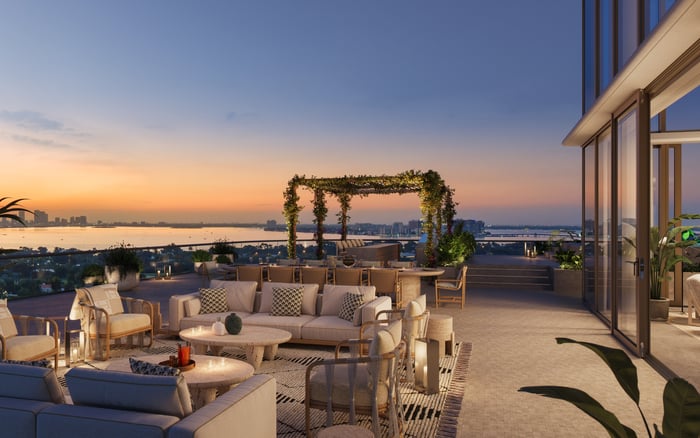
Coconut Grove illustrates the softer side of this equation. A residence such as Four Seasons Residences Coconut Grove can enter a founder’s search when the priority is a refined residential setting with a calmer daily cadence. The tag is not merely Coconut Grove as a search label. It represents a different idea of South Florida living: less corporate theater, more household continuity.
Service expectations should be read through neighborhood context. Brickell tends to suit founders who want immediate urban access, proximity to business-oriented dining, and a residence that can absorb professional movement. In that setting, formal hospitality may have practical value because the building often functions as part of the founder’s operating environment.
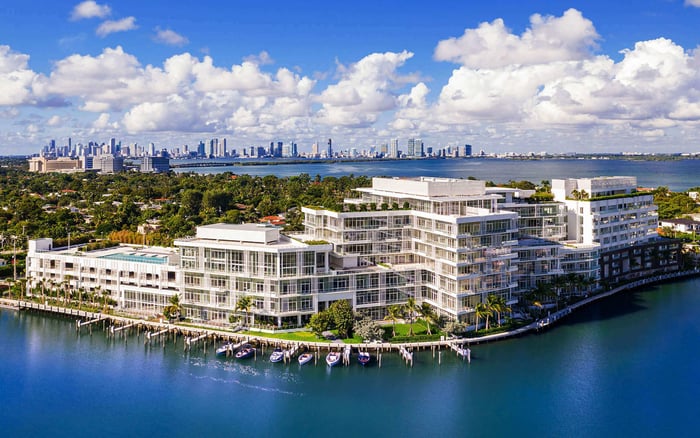
Miami Beach changes the question. Here, the balance may lean toward lifestyle, privacy, wellness, and the ability to host without making the home feel like an office. A project such as The Ritz-Carlton Residences® Miami Beach may appeal to buyers comparing a recognizable hospitality sensibility with a more private residential tone. The founder should ask whether the setting supports decompression after work, not only whether it impresses on arrival.
West Palm Beach introduces another rhythm altogether. For some principals, the draw is a more composed daily life, with the residence serving as an elegant base rather than a nonstop social platform. The Ritz-Carlton Residences® West Palm Beach belongs in that conversation for buyers who want a polished environment while still thinking carefully about privacy, access, and household ease.
The same logic can extend north and south, from Fort Lauderdale to Surfside, Boca Raton, and the islands. The point is not that one corridor is universally better. It is that service must match the founder’s weekly pattern. A residence should make the default day easier.
Start with the calendar. If the residence will host business guests, visiting partners, board members, or philanthropic events, formal hospitality may matter more. The building should feel legible to outsiders and easy for assistants to coordinate.
Then consider the family layer. If children, extended family, domestic staff, pets, or visiting relatives are part of the picture, quiet residential service may be more important. The goal becomes steadiness, not spectacle.
Next, evaluate privacy tolerance. Some founders are comfortable being recognized in a polished lobby. Others want fewer points of contact and less social friction. This is not a luxury preference. It is a security and lifestyle preference.
Finally, test the service culture during the search. Walk the arrival sequence. Notice whether staff are warm without being intrusive. Study how guests are handled. Ask how deliveries, vendors, drivers, and private events move through the building. The best residence will make complex days feel simpler without requiring the principal to explain the standard repeatedly.
The most successful relocation choice is rarely the loudest one. It is the residence whose service model disappears into the founder’s life with precision.
Should founders prioritize formal hospitality or quiet service? They should prioritize the model that best protects time, privacy, and household rhythm. Formal hospitality helps with hosting, while quiet service supports discretion.
Is Brickell better for founders relocating leadership teams? Brickell can be effective for founders who want an urban setting and business-oriented convenience. The right fit still depends on family needs and privacy preferences.
Does a branded residence always mean formal service? Not always. A brand can suggest a service culture, but buyers should evaluate the actual arrival, staffing style, and daily resident experience.
Why does quiet service matter to executive families? Quiet service reduces friction without making the household feel observed. That can be especially valuable when a relocation involves spouses, children, and staff routines.
How should a founder compare buildings during a tour? Study the lobby, access points, guest flow, elevator experience, and staff tone. The details reveal whether service is polished, discreet, or overly visible.
Can formal hospitality improve business hosting at home? Yes, if the residence regularly receives guests or visiting colleagues. A clear service culture can make arrivals, meetings, and dinners feel more controlled.
Is Miami Beach more lifestyle-driven than business-driven? For many buyers, Miami Beach emphasizes lifestyle, privacy, and restoration. Founders should still evaluate access, security, and daily logistics before choosing.
Should leadership-team relocation influence the founder’s residence choice? Yes. The founder’s home often becomes part of the broader operating rhythm, especially when colleagues, advisors, or family members visit frequently.
What is the risk of choosing too much service? Excessive visibility can make a private residence feel performative. Some founders prefer fewer interactions and a calmer sense of control.
What is the simplest rule for choosing the right service model? Choose formal hospitality when the residence must host and impress. Choose quiet residential service when privacy and daily ease are the highest priorities.
For a confidential assessment and a building-by-building shortlist, connect with MILLION.
If branded residences are on your mind — as a home or as an allocation — we would be glad to share what we are seeing, privately.
Begin a quiet conversation