A considered Greenwich-to-Surfside transition separates permanent-residence documentation from the practical work of organizing possessions, reviewing insurance, and arranging delivery. Here is a buyer-oriented framework for coordinating those decisions without confusing a completed move with established homestead eligibility.
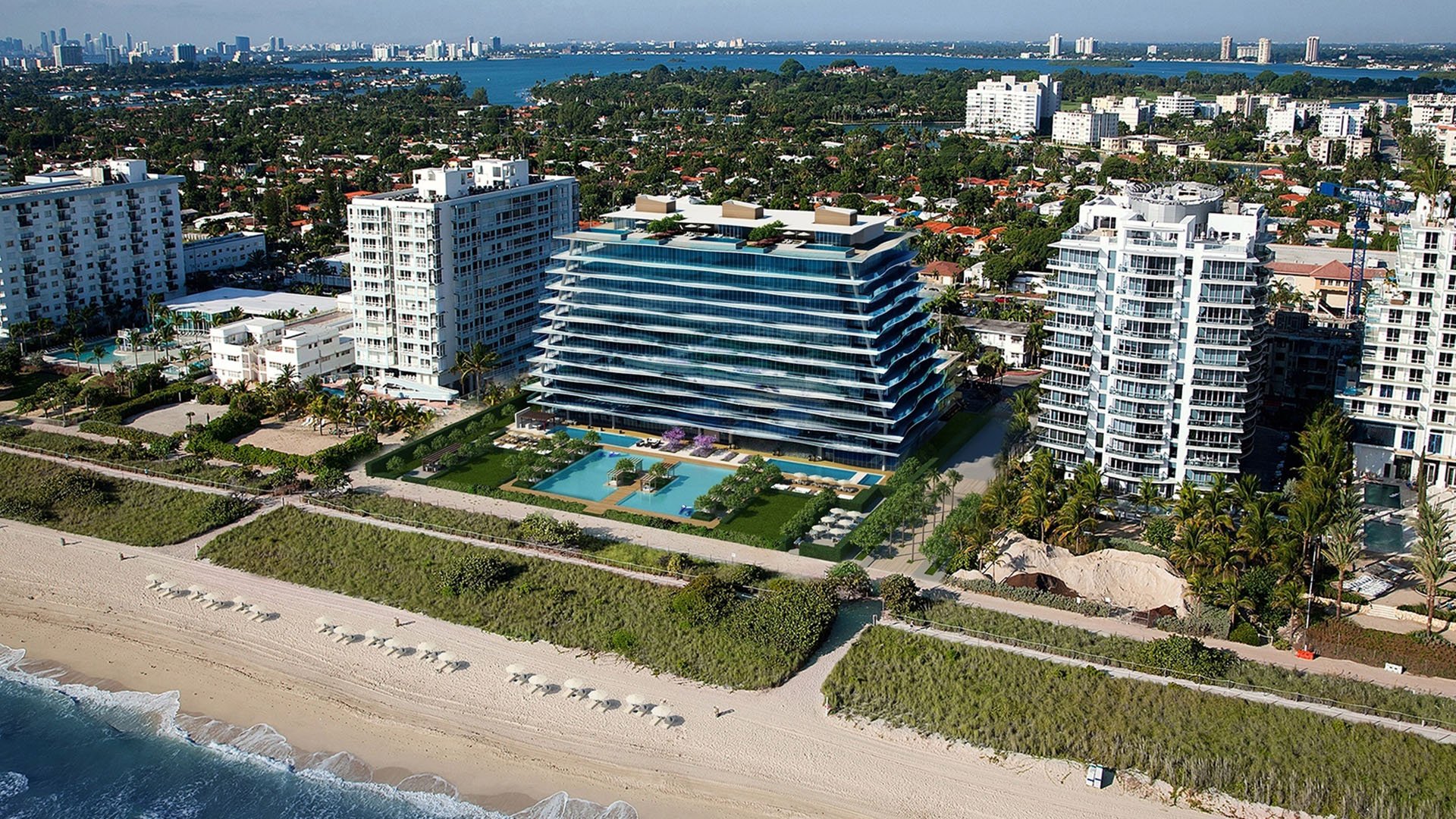
Making Surfside the primary residence after Greenwich is more than a change of address. It is a decision about where daily life will be centered, with separate questions about property-tax eligibility, possessions, insurance, and arrival logistics. A considered approach connects these questions without treating them as interchangeable.
A completed delivery is not a substitute for establishing permanent residence. Florida homestead eligibility requires legal title or beneficial title in equity, together with good-faith permanent residence. Ownership alone does not establish eligibility. The statutory test considers ownership and permanent-residence status on January 1 of the relevant tax year.
For a buyer considering The Surf Club Four Seasons Surfside, the starting point is therefore more than a moving calendar. It is a coordinated plan that distinguishes the home purchase, the establishment of permanent residence, and the handling of personal belongings.
Florida's homestead application records when permanent Florida residence was established. It also requests residency evidence, including Florida driver-license or identification-card information, voter-registration information, and vehicle-registration information. Organize the applicable records around the actual transition rather than assuming a closing date answers every residency question.
Homestead exemption is not automatic. The owner generally must apply through the county property appraiser's office. Before planning around a particular tax year, confirm the current filing deadline and documentation requirements directly with that office. January 1 is the statutory eligibility reference date, not a substitute for checking the application timetable.
Maintain two distinct files: one for residence and homestead matters, the other for the household move. The first can hold title documentation, relevant residency records, and application correspondence. The second can hold your inventory, insurance questions, delivery instructions, and receiving records. This is an organizational recommendation, not a prescribed legal checklist.
Ask your tax advisers to evaluate the Greenwich side separately. A Florida homestead application does not settle questions about Connecticut domicile or tax obligations.
Treat the inventory as an owner-directed planning document. Before requesting packing or transport proposals, decide which possessions are intended for Surfside, which will remain in Greenwich, and which require a separate decision. Give each entry an explicit destination as a starting point.
For a residence under consideration at Arte Surfside, frame the exercise around the particular home, not an assumed building-wide arrangement. Which pieces do you want in daily use? Which should remain packed until placement is resolved? Which would you prefer to receive personally?
For each significant item, consider recording a description, photograph, intended destination, and reference to any existing purchase or valuation documents. Ask your insurance adviser what information they need before commissioning additional documentation. A self-prepared inventory should not be treated as an insurer's acceptance of either value or coverage.
For discretion, decide who needs the complete inventory and who needs only an assigned portion. Ask the household team to agree on a controlled method for sharing revisions. These are proposed household practices, not representations about any condominium's systems or any insurer's requirements.
Keep the insurance conversation specific to the items and their proposed journey. Do not assume protection at the Greenwich address follows every possession through every stage. Ask your adviser to explain the applicable policy language and confirm the arrangement in writing before release.
Ask whether each item is covered at origin, during transport, during any planned storage, and after arrival. Establish which policy would respond at each stage, what valuation basis applies, and whether any limits, deductibles, exclusions, or documentation conditions affect the proposed move. These are matters to resolve, not promises of coverage.
If you are considering valuable-articles coverage, ask whether individual items need to be identified and what supporting information is required. Have the adviser distinguish the proposed insurance arrangement from any responsibility described in a mover's contract. Do not approve the move on an informal assurance alone.
For a buyer evaluating Fendi Château Residences Surfside, keep the property decision separate from the insurance decision. Confirm protection for the actual possessions and circumstances rather than drawing conclusions from the address or project name.
Develop the receiving plan with the building's authorized representative and your chosen service providers. Request current written instructions before committing to a delivery date. Ask about access arrangements, scheduling, unloading, elevator use, vendor documentation, and who may authorize entry. Do not presume another Surfside property's procedures apply.
For a prospective home at Ocean House Surfside, include those questions in the planning conversation without assuming a particular delivery service or receiving policy is available.
As an owner-directed protocol, propose a named contact at origin, a named recipient at destination, and an agreed record of each handoff. Decide in advance who will compare delivered items with the inventory, document visible condition, and address discrepancies. Ask the carrier and insurance adviser how their documentation procedures should fit that plan.
Resolve exceptions before departure. Who should be contacted if access is delayed? What should happen if the intended recipient is unavailable? Who may approve a changed destination? Clear instructions are preferable to leaving someone at the entrance to make an unplanned decision about valuable property.
The transition should serve the life you intend to lead in Surfside. Keep the administrative work proportionate, but do not confuse an emotional commitment to a new home with the legal requirements for an exemption.
Florida homestead reduces taxable property value, not the tax bill dollar-for-dollar by the exemption amount. The first $25,000 applies to all property taxes, including school-district taxes. The additional homestead exemption applies to non-school property taxes. Ask for a property-specific explanation rather than applying one assumed savings figure to the entire bill.
Before the move proceeds, review three separate outcomes: residence documentation is ready for professional review, insurance questions have written answers, and the receiving plan has agreed responsibilities. None should stand in for the others. The objective is a household transition that feels composed because its important decisions have already been made.
Explore your next Surfside residence with MILLION.
If branded residences are on your mind — as a home or as an allocation — we would be glad to share what we are seeing, privately.
Begin a quiet conversationNo. Florida requires qualifying legal or beneficial title and good-faith permanent residence; ownership alone does not establish eligibility.
The test looks at ownership and permanent-residence status on January 1 of the relevant tax year. Confirm the application deadline separately with the county property appraiser's office.
No. The owner generally must apply through the county property appraiser's office.
The application records when permanent Florida residence was established and requests Florida driver-license or identification-card, voter-registration, and vehicle-registration information.
No. It reduces taxable property value, rather than reducing the tax bill dollar-for-dollar by the exemption amount.
The first $25,000 applies to all property taxes, including school-district taxes. The additional homestead exemption applies to non-school property taxes.
Consider descriptions, photographs, intended destinations, and references to existing purchase or valuation documents. Ask the insurance adviser what documentation is needed rather than assuming the inventory establishes insured value.
Ask the insurance adviser to confirm applicable protection at origin, during transport or planned storage, and after arrival. Resolve valuation, limits, deductibles, exclusions, and documentation questions in writing.
Do not make that assumption. Request the property's current written instructions and agree on access, receiving responsibilities, and handling of delays before dispatch.
Do not treat the application as a conclusion about Connecticut domicile or tax obligations. Have your tax advisers evaluate the Greenwich side of the transition separately.