Moving a collection from Milan to a primary residence in Coral Gables requires separate plans for federal import eligibility, Florida registration, and the practical realities of keeping vehicles at home. Here is how to organize the decisions without confusing residential readiness with road eligibility.
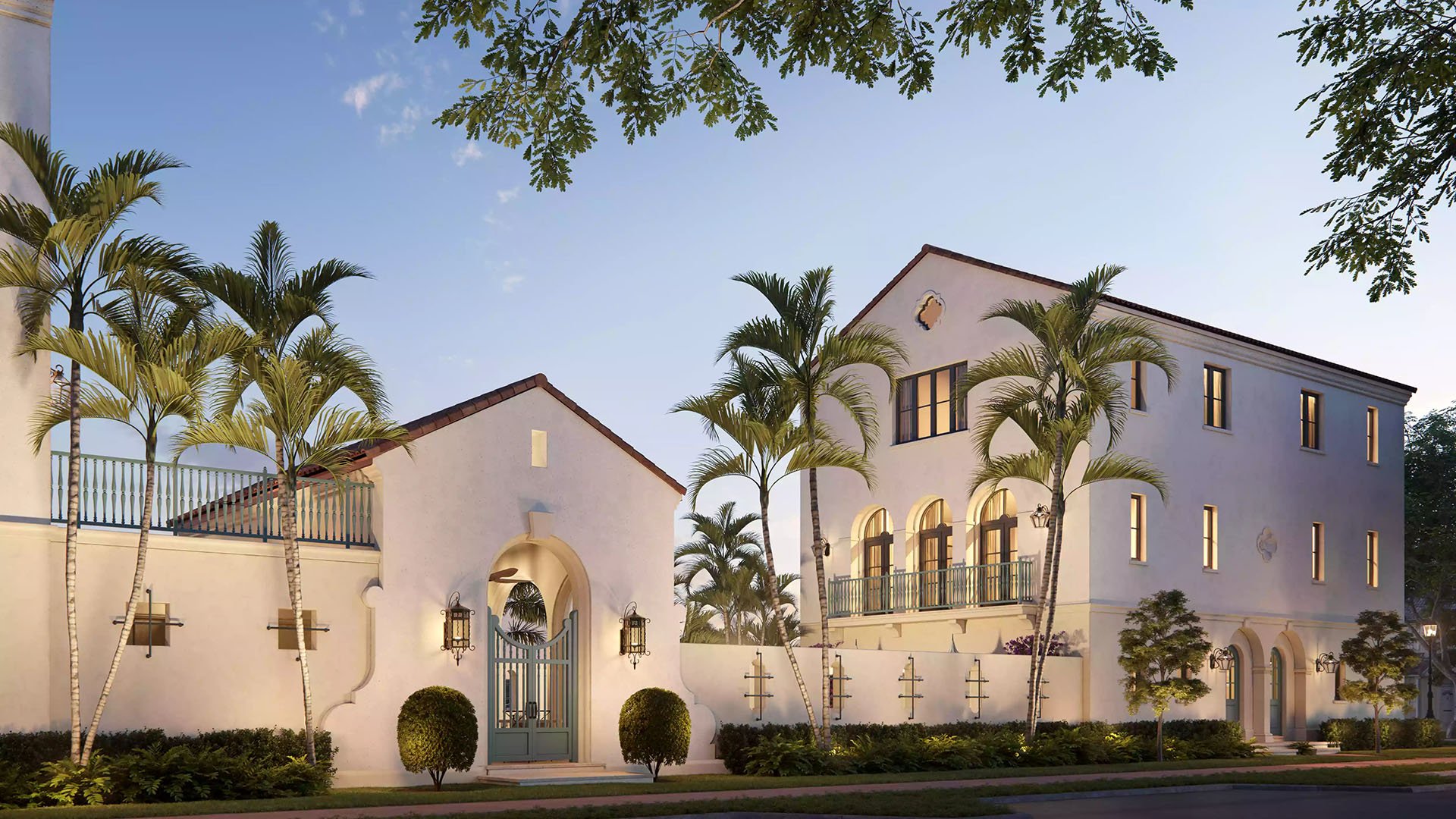
Making Coral Gables the primary residence after Milan involves more than choosing the right rooms and arranging an international move. For a collector, it also means deciding which vehicles will travel, whether each can enter the United States, and what must happen before Florida road use.
The essential distinction is simple: federal import eligibility, customs entry, and Florida title and registration are separate processes. A completed home purchase does not resolve vehicle compliance. Nor does customs release replace compliance with applicable safety and emissions requirements.
For a buyer considering The Village at Coral Gables, begin with parallel briefs: one for the residence and another for each vehicle. Keep the household’s move date in view, but do not assume every car can follow the same timetable.
Before committing to shipment from Italy, determine whether each vehicle was originally manufactured and certified to United States safety standards. A vehicle that was not may need a Registered Importer unless an exemption applies. Resolve this compliance question before treating transport as a scheduling exercise.
Collector vehicles at least 25 years old may qualify for an age-based federal safety exemption, subject to the applicable age calculation and documentation. Establish each vehicle’s age precisely rather than inferring it from appearance, collectible status, or a casual description of its model year.
Emissions requirements remain separate: the 25-year safety pathway is not blanket federal clearance. Review the applicable emissions requirements and forms before shipping. For qualifying classic or antique vehicles imported for personal use, the paperwork includes emissions Form 3520-1, the applicable declaration code, and supporting ownership documentation.
For each car, assemble a file documenting identity, age, ownership, safety eligibility, and emissions status. Treat unresolved questions as matters requiring confirmation, not details to settle after arrival.
Once eligibility is understood, ask prospective transport providers to set out the proposed journey in writing. If enclosed transport is requested, what does that mean at each stage? Who receives the vehicle, who may move it, and where does responsibility pass between parties?
These are procurement questions, not assurances that a particular service or protection is included. Request the terms governing handling, delivery, and any proposed holding period. Have the relevant insurance adviser confirm how those arrangements relate to the vehicle’s coverage; do not assume the transport contract answers every insurance question.
Build the receiving plan around both the vehicle’s status and the household’s availability. A collection awaiting federal clearance should not be scheduled as though Florida registration were complete. Likewise, a residence ready for occupancy is not necessarily ready to receive every vehicle.
Residential due diligence should distinguish parking rights from collection care. When evaluating Ponce Park Coral Gables, request the applicable parking documents and assess them against the intended collection. The project name alone is not a promise of specialized vehicle accommodation.
Ask which spaces would be available to the residence, how access would work, and whether the proposed delivery arrangements are permitted. If the buyer intends to use electrical equipment or have someone attend to a stored car, seek written confirmation of the relevant permissions.
Apply the same discipline to physical fit. Request the information needed to assess the actual vehicles rather than relying on a generic parking description. Keep unanswered questions on the purchase checklist. These are matters to establish for the specific residence, not features to presume across a development.
Decide whether each vehicle is intended for regular use, occasional use, or extended periods without use. That decision gives the household a practical basis for evaluating residential parking and any separate storage proposal. Neither arrangement should be assumed to include collection management.
For buyers considering Cora Merrick Park, frame secure storage as a series of questions: who can access the vehicle, who controls the keys, what services are expressly included, and who is contacted if attention is required? Obtain answers for the actual arrangement rather than equating a residential address with a defined security standard.
Battery care requires a vehicle-specific plan. Ask the manufacturer or a qualified specialist to specify the appropriate approach for each car, then confirm that the intended location permits it. Do not assume one maintainer, connection method, or routine suits the entire collection.
The objective is a documented care arrangement, not a universal technical prescription. Assign responsibility for following the agreed instructions and confirming that the necessary permissions are in place before delivery.
New Florida residents must obtain a Florida driver license within 30 days of establishing residency to drive on Florida roads. Vehicle registration follows a different timetable: vehicles with out-of-state registrations must be registered within 10 days of the owner establishing residency, becoming employed, or placing children in public school.
Do not read the 30-day license window as a 30-day registration allowance. Maintain separate deadlines for the driver and the vehicles.
The 10-day rule for out-of-state registrations does not automatically resolve the timing for a collection still in Milan or awaiting federal import clearance. Confirm the applicable timing for those circumstances with the office handling Florida title and registration. Neither an assumed extension nor an assumed arrival-based deadline is a sound basis for planning.
Before Florida titling and registration, obtain insurance through an agent licensed to sell insurance in Florida. Initial applications generally require proof of identity, Florida insurance, ownership documentation, and a completed HSMV 82040 application.
Ownership documents generally must be originals. The required document depends on whether the vehicle was previously titled or newly purchased. If a lienholder holds the title, request its transfer to Florida and obtain any refusal in writing on the lienholder’s letterhead.
Vehicles coming from outside Florida generally require physical vehicle identification number verification before titling. Authorized verifiers include law-enforcement officers, licensed Florida motor-vehicle dealers, military police officers, and authorized tax-collector or motor-vehicle-services employees. Arrange verification with an authorized person rather than assuming an ordinary inspection will suffice.
The final review should establish three things: the car’s federal status, its Florida documentation and timing, and the arrangements for receiving and caring for it. Keeping these distinct allows the residence and the collection to come together without mistaking one completed step for the whole move.
Explore your next Coral Gables residence with MILLION.
If branded residences are on your mind — as a home or as an allocation — we would be glad to share what we are seeing, privately.
Begin a quiet conversationNew residents must obtain a Florida driver license within 30 days of establishing residency to drive on Florida roads.
The deadline is within 10 days of the owner establishing residency, becoming employed, or placing children in public school. This is separate from the driver-license deadline.
Do not automatically apply the out-of-state registration rule to a vehicle still overseas or awaiting federal clearance. Confirm the applicable timing with the office handling Florida title and registration.
No. Federal safety and emissions compliance, customs entry, and Florida title and registration are separate processes.
Vehicles at least 25 years old may qualify for the federal safety exemption, subject to the applicable age calculation and documentation. Separate emissions requirements still apply.
A vehicle not originally manufactured and certified to United States safety standards may need a Registered Importer unless an exemption applies.
Generally, the file requires proof of identity, Florida insurance, ownership documentation, and a completed HSMV 82040 application. Ownership documents generally must be originals.
Authorized verifiers include law-enforcement officers, licensed Florida motor-vehicle dealers, military police officers, and authorized tax-collector or motor-vehicle-services employees.
Request written clarification of parking rights, access, key control, included services, and permissions for the intended care arrangements. Do not assume specialized collection care is included.
Ask the manufacturer or a qualified specialist for vehicle-specific instructions, then confirm that the storage location permits the proposed approach. Avoid assuming one device or routine suits every car.