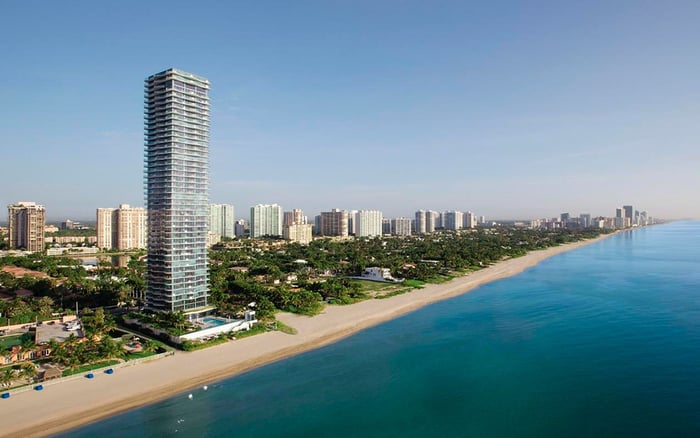
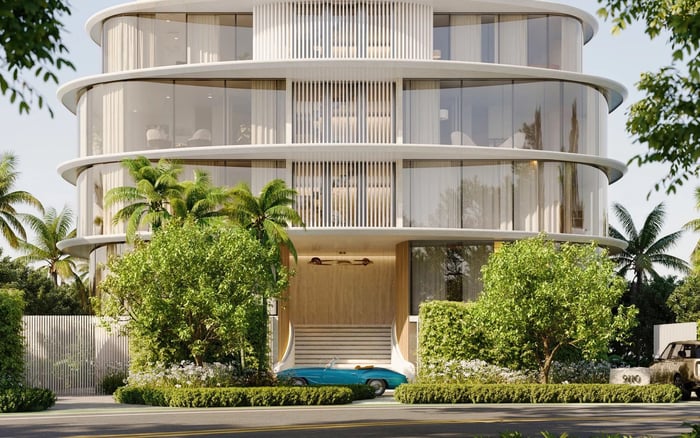
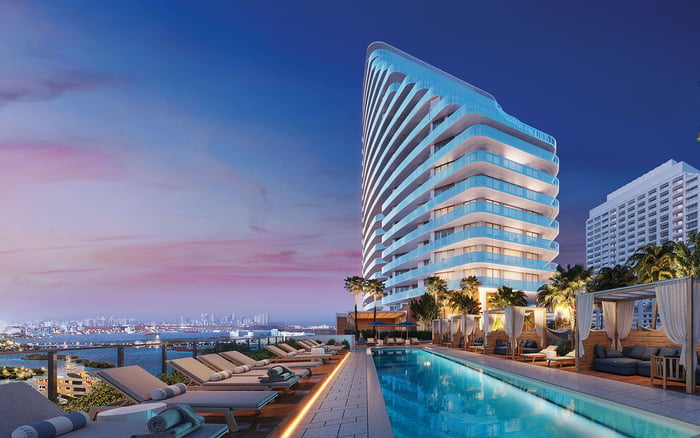
A discreet guide for Los Angeles buyers evaluating boutique living in Fort Lauderdale, from privacy and waterfront orientation to service culture and resale discipline.
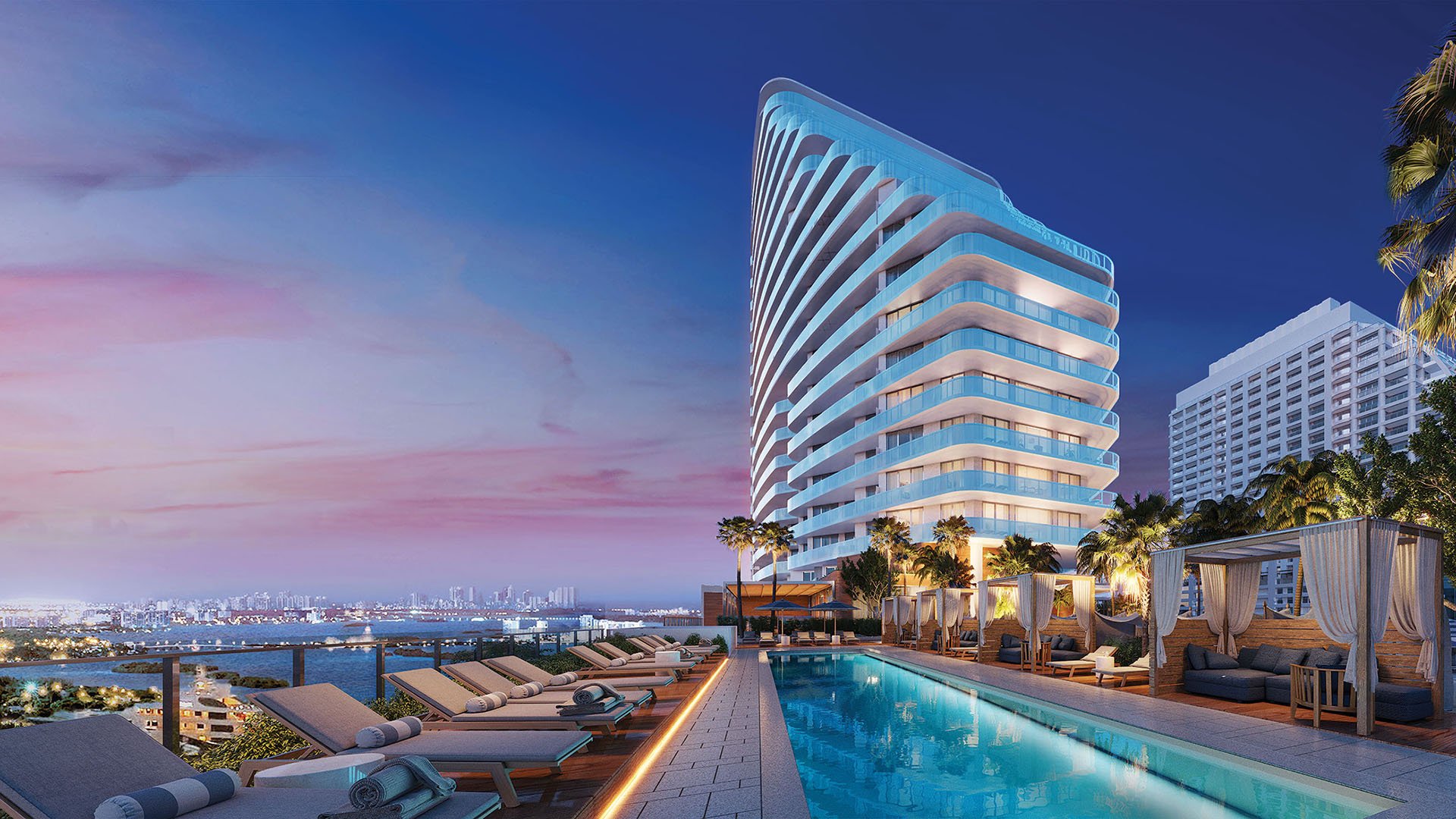
For a Los Angeles buyer, Fort Lauderdale can feel familiar at first glance: sun, water, architecture, yachts, private dining, and a lifestyle built around discretion. The deeper difference is rhythm. Fort Lauderdale’s most compelling boutique residences are not trying to replicate the scale or spectacle of a large coastal tower. Their appeal is quieter: fewer households, more intuitive access, and a daily life that can feel closer to a private home than a conventional condominium.
That distinction matters for buyers leaving the Westside, Malibu, Beverly Hills, or the Hollywood Hills in search of a South Florida residence that does not feel over-programmed. Boutique is not simply a smaller building. It is a purchasing philosophy. It asks whether the building’s scale, amenity mix, lobby experience, parking flow, and waterfront orientation support the way one actually lives.
For the Fort Lauderdale buyer arriving from Los Angeles, the strongest search begins with privacy and ends with practical elegance.
Boutique residences tend to attract buyers who value control over commotion. The experience should feel intimate without feeling under-serviced. A refined boutique building may have fewer social spaces than a large resort-style tower, but each space should be purposeful: a calm arrival, a pool that feels usable rather than performative, fitness and wellness areas that support routine, and outdoor spaces that make the most of the South Florida climate.
Los Angeles buyers often understand this instinctively. In many Southern California neighborhoods, the premium is not only the house or condominium itself, but the sense of removal from friction. In Fort Lauderdale, that translates into buildings where elevator access, staff familiarity, valet choreography, and guest circulation are treated as part of the residential experience, not as afterthoughts.
Consider how a residence feels at 8 a.m., not only how it photographs at sunset. The stronger boutique choice is often the one that protects daily ease: a gracious entry sequence, a terrace with usable depth, storage that supports seasonal living, and amenities that do not require a social performance every time you leave the residence.
Fort Lauderdale’s water is central to its identity, but not all waterfront living is the same. Some buyers want broad views and visual drama. Others want proximity to boating culture, a marina setting, or the feeling of being connected to a neighborhood rather than perched above it. The right answer depends on use.
A buyer who expects long seasonal stays may prioritize light, breeze, terrace privacy, and a floor plan that allows guests to visit without disrupting the primary suite. A buyer using the residence as a second home may focus more closely on lock-and-leave service, building security, and maintenance predictability. A buyer moving full-time from Los Angeles should evaluate whether the residence can hold the full complexity of daily life, from work calls to entertaining to visiting family.
In this context, projects such as St. Regis® Residences Bahia Mar Fort Lauderdale enter the conversation naturally for buyers who want a branded residential environment connected to Fort Lauderdale’s marine character. Others may compare the quieter waterfront posture of Riva Residenze Fort Lauderdale when studying how a boutique residence can feel residential rather than theatrical.
The word waterview should be treated with discipline. A view may be beautiful, but the buyer should ask how it behaves throughout the day. Does the exposure invite harsh glare or soft light? Does the terrace feel private? Is the primary living space oriented toward the water, or is the view a secondary moment? These questions are often more important than the marketing language.
Los Angeles buyers are accustomed to service, but the best boutique residential service is subtle. It should not feel like checking into a hotel every time one comes home. The staff should know the building, the residents, the routines, and the standards while preserving the feeling of private ownership.
This is where scale becomes powerful. A smaller building can often feel more personal, but only if the service plan has been adequately considered. Buyers should ask how packages, vehicles, guests, deliveries, maintenance access, and reservations are handled. The answer reveals whether the building is truly designed for affluent daily life or simply dressed in luxury finishes.
A project such as Four Seasons Hotel & Private Residences Fort Lauderdale may appeal to buyers who appreciate a hospitality-informed environment. For others, a more residential profile may be preferable. Neither approach is universally superior. The issue is fit.
A boutique residence should live well before it impresses. Los Angeles buyers often come from homes with generous primary suites, outdoor rooms, home offices, media spaces, staff access, and storage. A condominium can satisfy many of those needs, but only when the plan is carefully selected.
Look for separation between public and private areas. Study the kitchen not as a showpiece, but as a working space. Consider whether the terrace can support dining, lounging, and quiet morning use. If the residence will host family or friends, evaluate whether guest bedrooms are genuinely comfortable or merely present on the plan.
New construction can be attractive because it may offer contemporary systems, current design language, and a cleaner ownership transition. Yet newness alone is not enough. The more important question is whether the plan anticipates how luxury buyers live now: hybrid work, wellness routines, longer stays, and a preference for private outdoor space.
One of Fort Lauderdale’s advantages is that it can offer a coastal lifestyle without requiring every buyer to live directly on the sand. Beach access is important for some, but others may prefer proximity to dining, boating, cultural venues, or the airport. The most successful purchase is honest about what the owner will do weekly, not what sounds attractive once a year.
A buyer from Malibu may want a daily relationship with the beach. A buyer from Beverly Hills may be more interested in restaurants, privacy, and ease of arrival. A buyer from the Hollywood Hills may prioritize views, light, and an elevated sense of retreat. Fort Lauderdale can serve each profile, but the building and location must be matched carefully.
For those comparing nearby coastal markets, The Ritz-Carlton Residences® Pompano Beach may broaden the lens northward, while remaining within the greater luxury coastal conversation. The point is not to chase every option, but to understand which version of South Florida living feels most natural.
The finest boutique residence should create an emotional response. Still, the purchase deserves restraint. Boutique buildings can be highly desirable, but buyers should be attentive to liquidity, building governance, maintenance expectations, rental policies if relevant, and the long-term clarity of the surrounding neighborhood.
A residence that feels perfect for one owner may be too idiosyncratic for the next. That does not mean one should avoid distinctive design. It means the buyer should distinguish between individuality and inconvenience. Flexible bedrooms, rational storage, good parking, strong views, and durable finishes tend to age better than novelty.
Los Angeles buyers often have a sophisticated eye for design. In Fort Lauderdale, the sharper move is to pair that eye with operational diligence. Ask how the building will feel in season, during storms, on weekends, and when guests arrive. Luxury is not only what is visible. It is what works without requiring attention.
Begin with lifestyle, not inventory. Decide whether the residence will be a full-time home, seasonal base, or occasional retreat. Then rank privacy, water orientation, service, outdoor space, parking, pet needs, guest use, and proximity to boating or beach routines.
Next, compare only the buildings that genuinely satisfy the top priorities. Too many tours can dilute judgment. A focused shortlist produces better decisions, especially in a market where finishes and views can quickly overwhelm the more important questions.
Finally, treat the first walkthrough as emotional and the second as technical. On the first visit, notice how the residence makes you feel. On the second, study the plan, circulation, noise, light, storage, staff interactions, and the arrival sequence. A truly strong boutique residence should pass both tests.
Is Fort Lauderdale a natural fit for Los Angeles buyers? Yes, especially for buyers who want coastal living, privacy, boating culture, and a calmer residential rhythm than larger urban markets.
What makes a residence boutique? Boutique usually refers to a more intimate scale, a quieter amenity environment, and a greater emphasis on privacy and daily ease.
Should I choose a branded residence or an independent boutique building? Choose based on service expectations. Branded residences may offer hospitality polish, while independent buildings may feel more private and residential.
How important is waterfront orientation? Very important. Light, privacy, terrace usability, and the way views connect to living spaces can shape everyday satisfaction.
Is new construction always the better choice? Not always. New construction can offer modern systems and design, but floor-plan quality and building operations matter more than novelty.
Do I need direct beach access? Only if it fits your routine. Many buyers prefer boating, dining, neighborhood access, or quieter waterfront settings over immediate sand access.
What should I study during a second showing? Focus on storage, parking, staff flow, guest circulation, elevator privacy, terrace depth, noise, and the quality of natural light.
Can a boutique residence work as a full-time home? Yes, if the plan supports work, guests, storage, outdoor living, and the practical routines of daily ownership.
How should I compare Fort Lauderdale with nearby coastal areas? Compare lifestyle first. Fort Lauderdale, Pompano Beach, and other nearby markets can feel very different in pace, access, and atmosphere.
What is the best way to shortlist comparable options for touring? Start with location fit, delivery status, and daily lifestyle priorities, then compare stacks and elevations to validate views and privacy.
If you'd like a private walkthrough and a curated shortlist, connect with MILLION.
If branded residences are on your mind — as a home or as an allocation — we would be glad to share what we are seeing, privately.
Begin a quiet conversation