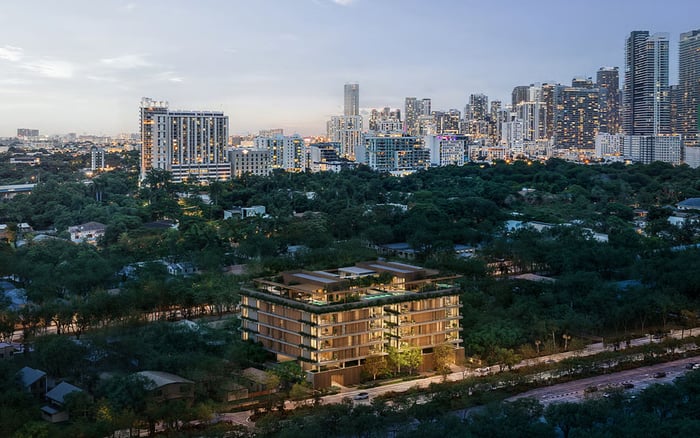
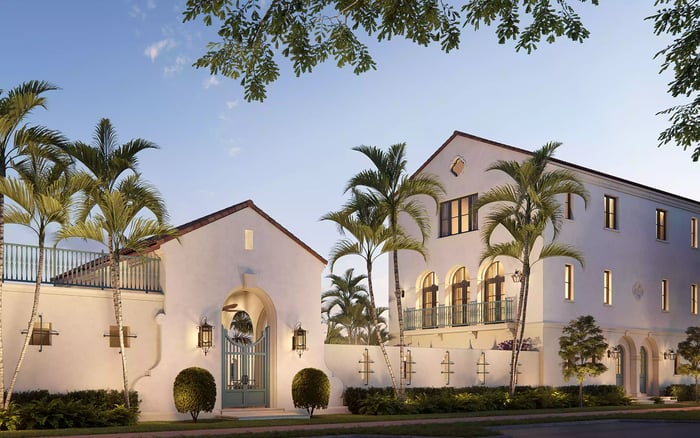
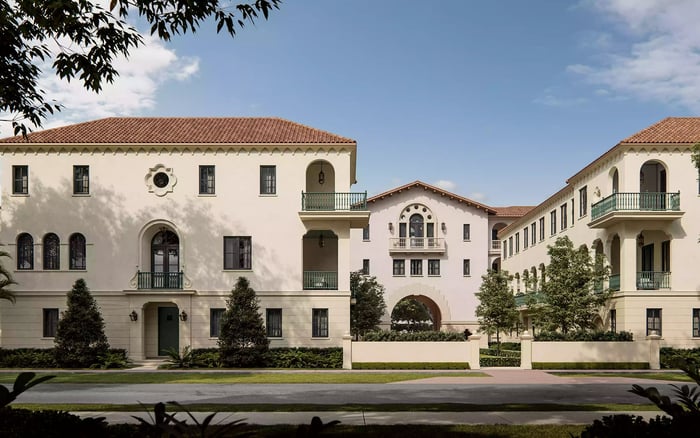
Ponce Park’s boutique residential setting invites thoughtful hosting, but separate guest suites, reservation priority, cancellation charges, and seasonal access are not established in the available public descriptions. Long-term buyers should distinguish residential space from booking privileges and obtain the governing terms in writing.
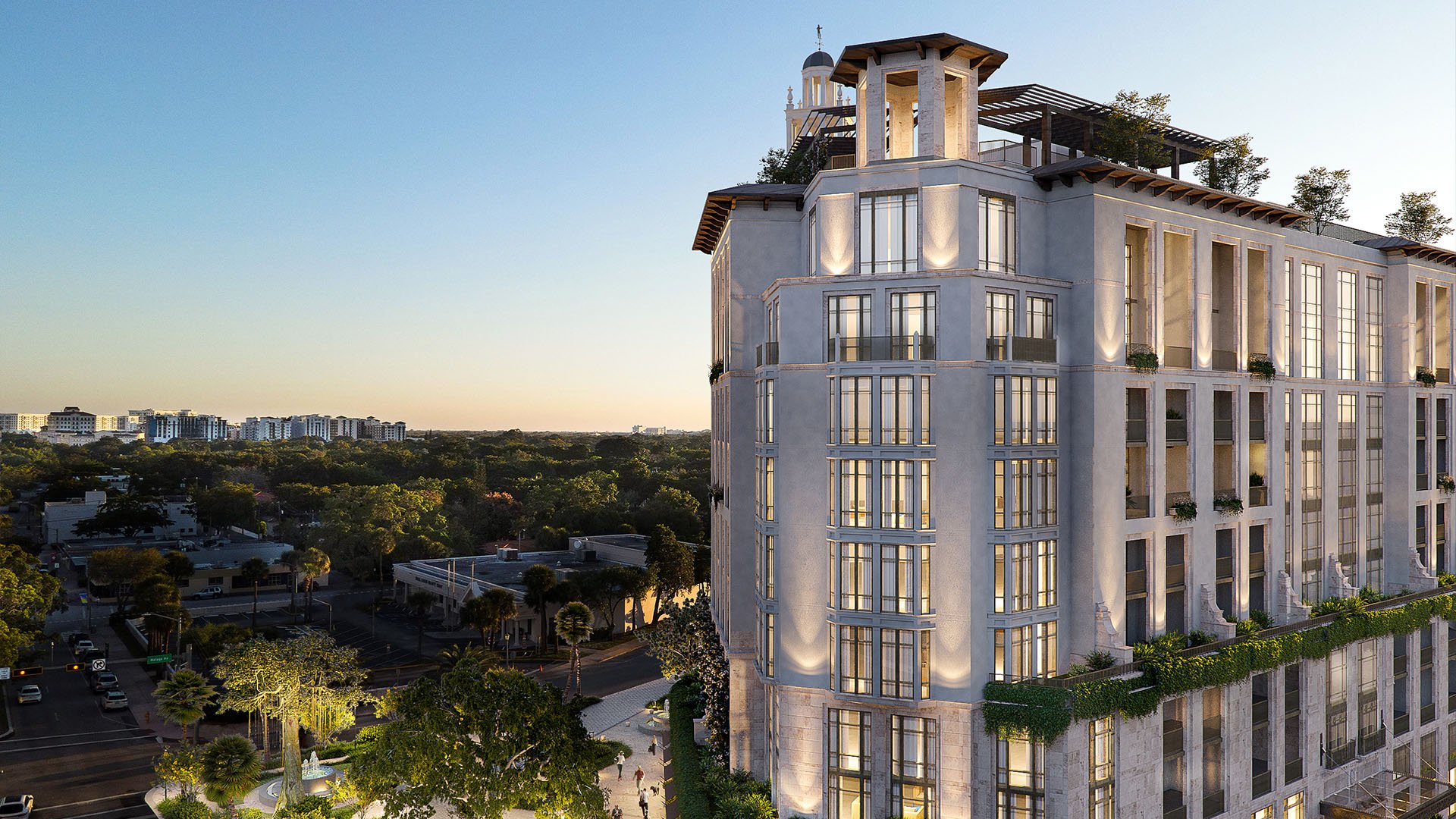
For a household that entertains across generations, luxury is partly the ability to welcome people without improvisation. At Ponce Park Coral Gables, guest accommodation is therefore an important ownership question, not simply an amenity preference. The project is marketed as a boutique condominium with 58 residences in an 11-story tower, rather than as a condo-hotel.
The essential distinction is between hosting within a private residence and reserving separate accommodations through the building. Separately bookable owner guest-suite inventory is not publicly identified. Nor is a guest-suite priority hierarchy, cancellation schedule, or peak-season allocation system publicly established. Those omissions do not imply unrestricted access, complimentary stays, or an absence of penalties.
The prudent approach is to evaluate the home on its documented residential merits, then establish any additional hosting privileges in writing. A hospitality-inspired setting is not a promise of lodging.
Before discussing priority, ask the threshold question: are separate guest suites actually planned? If so, request written confirmation of their number, intended users, operating responsibility, and reservation framework. These remain diligence questions, not publicly established features.
Ponce Park’s residential offering includes two- to five-bedroom homes and penthouses. A published two-bedroom-plus-study layout measures 2,246 square feet. That offers a concrete starting point for assessing space within the home, but a study should not automatically be treated as an approved bedroom. Nor does a generous floor plan establish a separate guest-lodging program.
For buyers also considering The Village at Coral Gables, the same approach applies: assess the chosen residence’s hosting capacity independently of any proposed shared accommodations. Compare privacy, household routines, and the number of dedicated bedrooms before assigning value to undocumented overflow lodging.
If a guest-suite program is confirmed, the next question is not merely whether owners may book, but how competing requests are resolved. No owner priority hierarchy, advance booking window, or allocation procedure for shared guest suites at Ponce Park is publicly documented.
Ask whether reservations would be first-come, first-served, rotational, lottery-based, or governed by another mechanism. Clarify whether all residences receive equal access and whether priority attaches to a residence category. None of these arrangements should be presumed to apply.
Booking mechanics matter just as much. Establish when the calendar opens, whether an owner can hold multiple reservations, how waitlists operate, and whether consecutive stays are limited. Ask whether a confirmed booking can be displaced and who has authority to resolve disputes.
For long-term ownership, distinguish a durable right from an operating policy that may be revised. Have counsel identify where any promised privilege is recorded and which amendment provisions govern it.
Guest-lodging cancellation penalties, change fees, and no-show charges are not publicly identified. That is a disclosure gap, not evidence of a penalty-free reservation system.
If separate accommodations are offered, obtain the complete fee and cancellation schedule before relying on them for family travel. It should address deposits, payment timing, refund deadlines, date changes, shortened stays, and no-shows. Ask whether cleaning charges or damage deposits are separate from any nightly charge, without assuming such charges exist.
Test the terms with a hypothetical visit: relatives reserve a holiday stay, then need to change their arrival date or cancel altogether. Ask management to explain what would be retained, refunded, or credited at each stage under the written policy.
Keep that exercise separate from reserving a social space or arranging a service. An amenity cancellation rule does not establish the rule for overnight lodging, and neither establishes an owner’s leasing rights.
For an owner whose family visits on a fixed calendar, theoretical availability is less valuable than a clear allocation process. Guest-specific blackout dates, seasonal caps, and preferential booking windows at Ponce Park are not publicly identified. Guaranteed holiday access is therefore not established.
If a guest-suite program is confirmed, request the rules for high-demand dates, including any minimum or maximum stay, annual night allowance, advance booking window, and repeat-use restriction. Ask how overlapping requests would be handled and whether unused allocations could be carried forward. These are possible policy features to investigate, not known project terms.
Separately, confirm the maximum duration of guest stays inside an owner’s residence. Registration requirements, owner-presence rules, and limits on unaccompanied visitors may matter more to a household than access to shared lodging.
Buyers weighing Cora Merrick Park alongside Ponce Park should put the same family-visit scenario to each project. Compare the written answers rather than assuming that a shared Coral Gables setting confers equivalent hosting rights.
Advertised amenities at Ponce Park include rooftop pools, a jacuzzi, spa, fitness studio, rooftop bar, and social spaces. These features shape the experience of living in the building. They do not establish who may use them, whether guests must be accompanied, or whether reservations and charges apply.
Request the guest-access rules for each relevant amenity. Clarify whether overnight visitors and day visitors are treated differently, whether guests can enter without the owner, and whether capacity limits affect access during busy periods. A family may fit comfortably within the residence while still needing to plan its use of shared facilities.
A branded hotel component, hotel operator, and nightly rental program are not advertised. That does not establish a legal prohibition on short-term rentals. Guest stays, amenity bookings, and owner leasing remain three separate subjects, each requiring its own document review.
Before evaluating long-term hosting flexibility, request the Declaration of Condominium, association rules, and any guest-suite or amenity reservation schedules. Ask which documents are operative, which remain proposed, and how changes would be communicated. Check written sales explanations against the governing provisions rather than treating them as substitutes.
Then separate the purchase decision into documented accommodation within the residence, confirmed privileges elsewhere in the building, and unresolved assumptions. If separate guest lodging is essential, do not consider that requirement satisfied until its existence and terms are established. If it is simply convenient, consider whether the chosen floor plan supports the household without it.
Ponce Park’s ownership proposition should be judged on both residential appeal and operational clarity. For a long-term home, knowing how family visits will work is part of the luxury itself.
For a discreet perspective on South Florida ownership and the questions that shape a lasting purchase, explore MILLION.
If branded residences are on your mind — as a home or as an allocation — we would be glad to share what we are seeing, privately.
Begin a quiet conversationNo. It is marketed as a boutique condominium with 58 residences in an 11-story tower, rather than as a condo-hotel.
Public marketing does not identify separately bookable owner guest-suite inventory. Buyers should obtain written confirmation of whether such accommodations are planned.
No guest-suite priority hierarchy, advance booking window, or allocation procedure is documented in the available public descriptions. Priority should not be assumed.
The public descriptions do not identify cancellation penalties, change fees, or no-show charges for guest lodging. This does not establish that reservations would be penalty-free.
No guarantee is established by the available public descriptions. Guest-specific blackout dates, seasonal caps, and preferential booking windows are not disclosed.
The offering includes two- to five-bedroom homes and penthouses. Published floor-plan information includes a 2,246-square-foot two-bedroom-plus-study layout, not a separate guest-suite program.
The advertised amenity offering does not establish unaccompanied guest-access rights. Buyers should confirm owner-presence requirements, registration procedures, and applicable limits in writing.
No. The absence of an advertised hotel component or nightly rental program does not establish a legal prohibition on short-term rentals; leasing rules require separate review.
Request the Declaration of Condominium, association rules, and any guest-suite or amenity reservation schedules. Any proposed guest-lodging program should have written terms covering allocation, fees, cancellations, and seasonal access.
Separate the residence’s own accommodation capacity from any confirmed shared lodging and amenity privileges. Do not assign value to guest-suite access that has not been established in writing.