At Kempinski Residences Miami Design District, long-term ownership diligence should focus on replacement funding, refurbishment authority, and the division of responsibility among owners, the developer, and the brand. Public disclosures leave these questions open rather than establishing adverse policies.
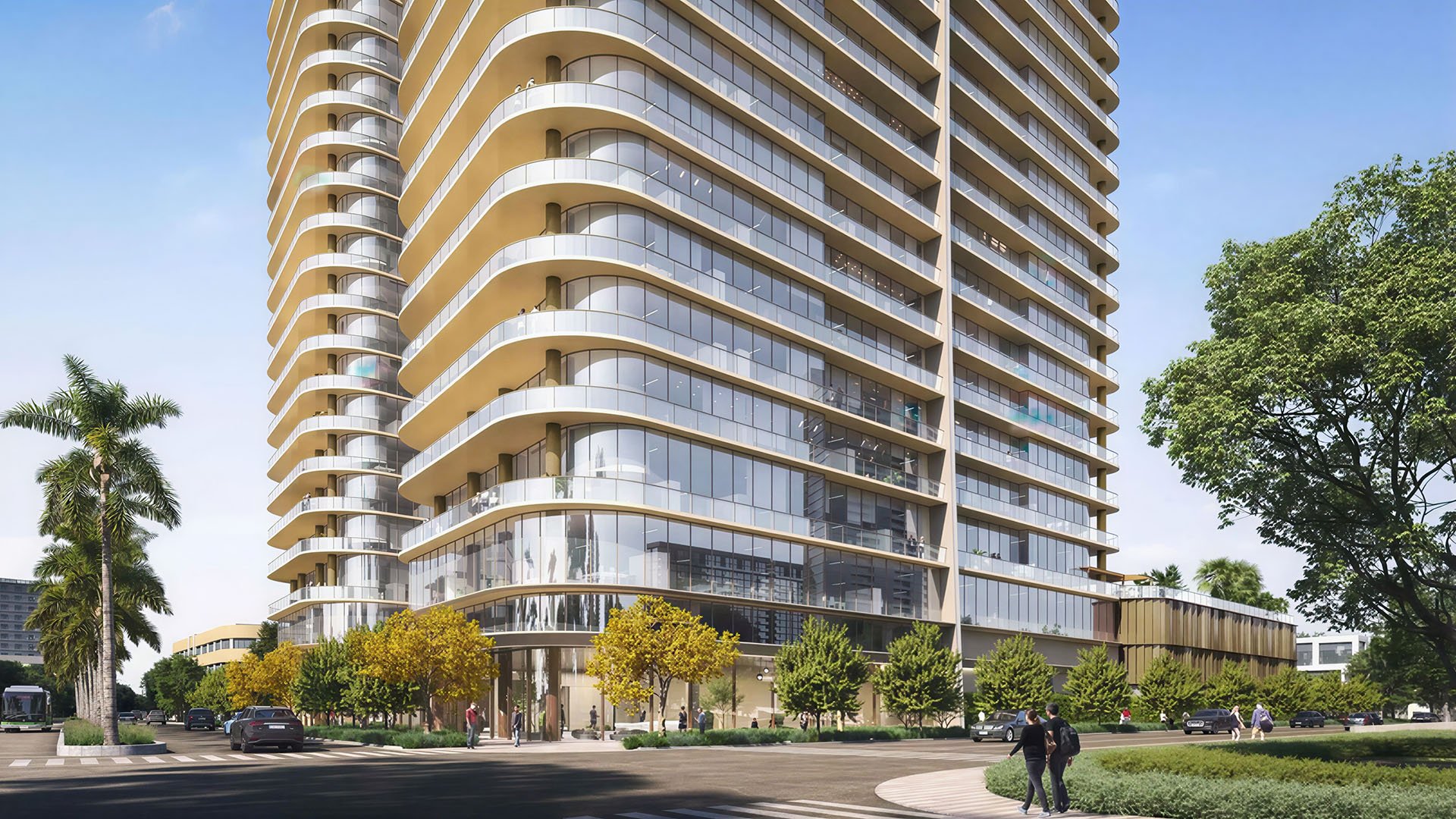
The enduring appeal of a branded residence depends on more than its arrival experience. For a long-term owner, the essential questions are who pays to preserve that experience, when replacement spending occurs, and who has authority to approve it.
At Kempinski Residences Miami Design District, planned at 3801 and 3883 Biscayne Boulevard, those questions deserve attention alongside the address. The published inventory comprises 132 private residences, six townhomes, and 17 guest suites. The suites are offered exclusively for sale to residents, not as ordinary hotel inventory.
A project-specific furniture, fixtures, and equipment reserve formula, a mandatory refurbishment interval, and individual owners’ approval rights over shared-area replacements remain unspecified in public marketing disclosures. These are unresolved disclosure questions-not evidence that reserves will be absent or owner participation restricted. Purchaser documents may provide the missing detail.
Biscayne Residences Holdings LLC is the entity developing, financing, marketing, and selling the residences independently of Kempinski Hotels SA. The Kempinski name and trademark are used under license. That distinction matters when determining who is responsible for a contractual promise.
Kempinski’s disclosed post-sale role is to supervise, direct, and control residence management and license its name and trademark. That role does not establish a Kempinski guarantee to fund future condominium refurbishments.
Buyers should therefore separate three questions: who sets presentation standards, who authorizes expenditure, and who ultimately pays. A brand’s involvement in management does not, by itself, answer all three.
For buyers also considering Four Seasons Residences Coconut Grove, the useful comparison is documentary rather than reputational. Request the same allocation of responsibilities for each property; recognizable names do not imply identical ownership terms.
FF&E means furniture, fixtures, and equipment. The first task is to identify precisely which assets the project places in that category and whether replacement funding is separate from structural and building-system reserves.
A project-specific FF&E reserve amount or funding formula remains undisclosed in public materials. Buyers should request the proposed operating budget and reserve schedules, then ask how annual contributions are calculated, when funding begins, and whether contributions can be deferred during developer control.
Pair the funding question with a clear allocation of ownership responsibilities. Establish who owns and pays to replace assets within residences, guest suites, amenities, and operating areas. Ask which expenses are shared, which are charged to particular owners, and whether a shortfall could lead to special assessments.
Request a 20-year capital-expenditure forecast showing useful-life assumptions, replacement costs, and projected annual contributions for the specific unit under consideration. This is a diligence recommendation, not a disclosed project commitment. An opening-year fee alone cannot establish the long-term cost of ownership.
A mandatory refurbishment interval and a detailed long-term replacement schedule for furnishings, equipment, and building systems remain unspecified in public disclosures. It would therefore be premature to assign Kempinski a fixed refresh cycle.
Instead, ask what triggers replacement: asset condition, an agreed useful life, a scheduled design refresh, or a contractual brand standard. Request the provisions defining those triggers and identifying who determines whether work is necessary.
The distinction between repair and aesthetic renewal deserves particular care. Ask whether a proposed expenditure preserves an existing asset or introduces a different design specification, and whether those categories follow different approval procedures.
The same questions can frame a comparison with The Residences at Mandarin Oriental, Miami. The point is not to assume matching refurbishment obligations, but to compare the written rules governing standards, timing, and cost before weighing the lifestyle proposition.
Whether individual owners can vote on, approve, or veto shared-area FF&E replacements remains unresolved in public marketing disclosures. Buyers should not interpret that silence as either unlimited management discretion or a guaranteed owner veto.
In-unit alteration rules and common-area capital approvals are separate questions. Permission to personalize a residence says little about control over shared furnishings or equipment. Ask counsel to identify the provisions governing each category.
For common-area spending, request a clear explanation of manager spending authority, board authority, owner voting thresholds, and any developer or brand consent rights. That explanation should distinguish ordinary budgeted expenditure from unbudgeted replacement work and any special assessment used to fund it.
Association turnover is equally important. Confirm when owner control begins and what conditions govern terminating or replacing the manager. Ask which approvals, if any, remain with the developer or brand after turnover. The objective is a written allocation of decision-making authority, not a broad promise that owners will have a voice.
The 17 guest suites warrant a separate cost-allocation review because they are offered exclusively for sale to residents. Their existence should not be treated as evidence of conventional hotel inventory or an assumed rental arrangement.
A prospective suite purchaser should establish the ownership structure, furnishing obligations, replacement responsibility, and applicable management charges. An owner who does not purchase a suite should ask whether any suite-related expenses enter the shared budget.
Request any guest-suite agreements and, if applicable, rental-program agreements. Neither a rental entitlement nor a mandatory rental obligation should be inferred from the guest-suite description alone. The key distinction is between the convenience offered and the contractual costs of using or owning it.
The developer reserves discretion to make modifications, revisions, and changes it considers necessary. Improvements, designs, and construction also remain subject to required governmental permits and approvals. These provisions reinforce the importance of reviewing contractual scope rather than treating every presentation detail as immutable.
The document request should include the offering circular, declaration, articles and bylaws, proposed operating budget, reserve schedules, management agreement, relevant brand-license provisions, and applicable guest-suite agreements. Use the latest offering documents to confirm inventory and reconcile any differing descriptions.
The central ownership test is straightforward: can the documents explain what must be maintained, how replacement will be funded, and who can authorize the work? Until those answers are clear, the prudent conclusion is that further diligence is needed-not that a favorable or unfavorable policy has been established.
For a discreet perspective on South Florida ownership decisions, explore MILLION.
If branded residences are on your mind — as a home or as an allocation — we would be glad to share what we are seeing, privately.
Begin a quiet conversationThe project is planned at 3801 and 3883 Biscayne Boulevard in Miami.
The published inventory comprises 132 private residences, six townhomes, and 17 guest suites. Buyers should confirm the inventory in the latest offering documents.
Public materials do not disclose a project-specific FF&E reserve amount or funding formula. This does not establish that no reserve will exist.
Public materials do not specify a mandatory refurbishment interval or detailed long-term replacement schedule. Buyers should request the relevant contractual provisions.
Public marketing materials do not establish whether individual owners can approve, vote on, or veto those replacements. Governing documents and management provisions should be reviewed for the applicable authority and thresholds.
Biscayne Residences Holdings LLC is developing, financing, marketing, and selling the residences independently of Kempinski Hotels SA. The Kempinski name and trademark are used under license.
The disclosed licensing and management role does not establish a Kempinski guarantee to fund future condominium refurbishments.
The 17 guest suites are offered exclusively for sale to residents rather than as ordinary hotel inventory. Buyers should review the applicable agreements for ownership costs and use rights.
Request the offering circular, declaration, articles and bylaws, proposed operating budget, reserve schedules, management agreement, and relevant brand-license provisions. Include any applicable guest-suite or rental-program agreements.
It can help buyers evaluate replacement assumptions and projected annual contributions beyond the opening-year budget. Request useful lives, replacement costs, and the allocation to the specific unit being considered.