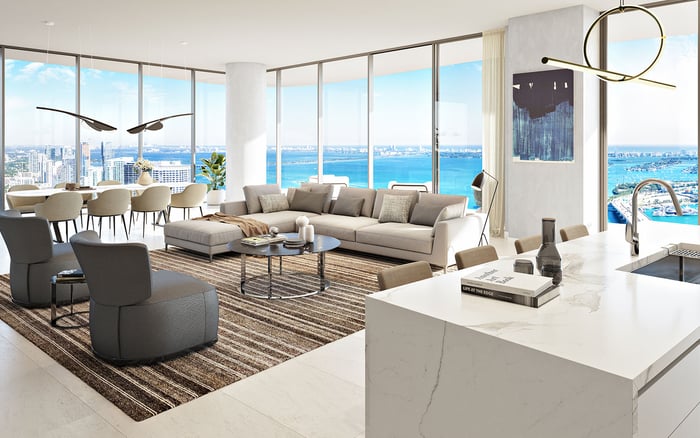
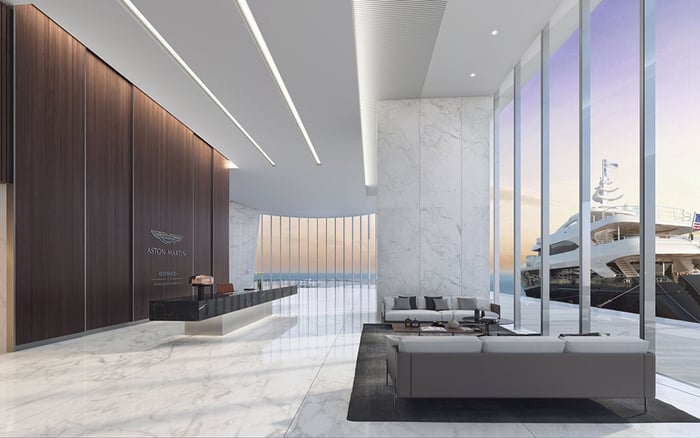
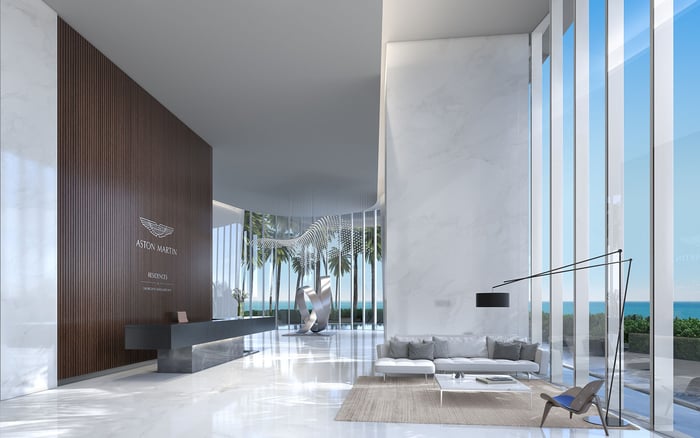
For long-term owners in Downtown Miami and Brickell, arrival privacy deserves the same scrutiny as the residence itself. Examine every route home, distinguish advertised features from operating practices, and confirm access rights in condominium documents.
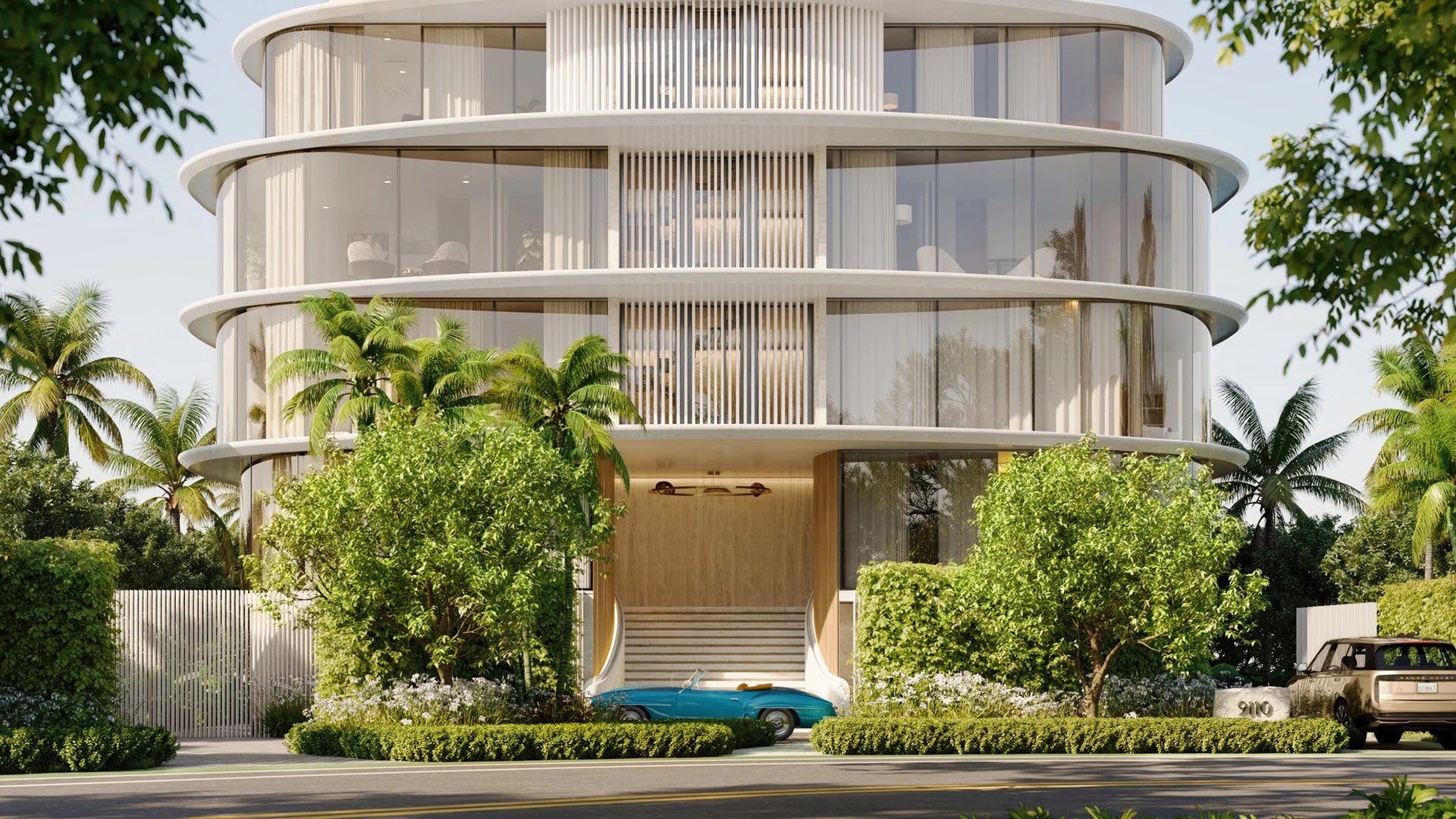
For a long-term owner, the most meaningful arrival luxury is not necessarily a dramatic lobby. It is the ability to move from vehicle or vessel to residence with few interruptions, limited exposure, and clear control over who follows. Arrival privacy is a continuous route, not a single amenity.
In Downtown Miami and neighboring Brickell, that route deserves the same scrutiny as the floor plan. The examples below span both neighborhoods, rather than Downtown’s central business district alone. Advertised features are useful starting points, but they do not establish how access operates today or what an owner is permanently entitled to use.
A disciplined evaluation separates three questions: where people can see you, where different users cross paths, and who can authorize access. A guarded entrance may control admission without resolving visibility. A private elevator may improve the final approach while leaving the garage-to-elevator connection shared.
Begin outside the building. Ask to follow the resident arrival route rather than judging the entrance from the passenger seat. Can residents bypass a valet queue? Is there a resident-only entrance? Where do guests wait, and can a household unload luggage without lingering in a shared arrival area?
Advertised features at The Residences at 1428 Brickell include private valet drop-off bays and high-speed private elevators. The property is also described as residents-only, with a gated entrance and 24/7 guardhouse security. These features frame specific diligence questions: how are guests admitted, where do vehicles pause, and does the protected route continue all the way to the elevator?
Nine Miami’s advertised features include a private landscaped porte-cochère with valet parking. The building sits above Mary Brickell Village, with advertised elevator access connecting residential areas to The Shops at Mary Brickell. That convenience warrants a close review of access permissions between retail and residential areas-not an assumption that the connection compromises privacy.
Garage privacy begins with choice and extends to the route home. One Miami’s advertised features include assigned parking in a secured garage, gated entry, 24-hour security, concierge services, and valet parking. Buyers should distinguish the parking assignment from the access experience: where is the space, who can enter that level, and what lies between the vehicle and the residential elevators?
At Aston Martin Residences Downtown Miami, the advertised combination of 24-hour valet and a self-parking option makes that comparison particularly relevant. Ask management to demonstrate both routes. Determine whether self-parking avoids the valet waiting area and whether either option requires passage through public spaces.
Nine Miami is advertised with a secure multilevel garage. At 1010 Brickell, marketed features include a secure covered garage, 24-hour surveillance, valet service, on-site security personnel, and video monitoring. These are security provisions, not proof of an uninterrupted private arrival. Inspect sightlines, waiting points, and door-access permissions separately.
For long-term ownership, establish whether parking is assigned or otherwise allocated, whether valet use is optional, and which arrangements are documented. A marketed parking allowance is no substitute for reviewing the rights attached to the particular residence.
The phrase “private elevator” needs a floor-plan explanation. Does the elevator open directly into the residence, into a private vestibule, or onto a landing shared with another home? Who can authorize access, and what happens when a guest arrives before the owner?
At St. Regis® Residences Brickell, listed at 1809 Brickell Avenue, advertised features include a private elevator and entry foyer for each residence. The buyer’s task is to understand how those spaces connect to the wider circulation plan, including guest admission and contractor permissions.
Aston Martin Residences’ advertised features include 10 destination-controlled high-speed elevators and three separate dedicated service elevators. Destination control should prompt questions about authorized destinations; the elevator count alone does not establish exclusive access. Request a management-led demonstration of resident, guest, and contractor permissions, including how temporary access is withdrawn.
Trace service separation from the delivery’s arrival to the residence door. A dedicated service elevator answers only part of the question. Ask for plans showing loading-dock connections, service corridors, staging areas, and every point at which deliveries intersect residential circulation.
EPIC Miami is marketed with a private residential lobby and elevators separate from the hotel, a secured covered garage, and separate service elevators intended for discreet deliveries. The next question is how that separation continues on the residential floor. Confirm where personnel wait and how they gain permission to approach the home.
Advertised parking at The Residences at 1428 Brickell ranges from two to six valet-serviced spaces per unit, with additional private loading and unloading areas when needed. Clarify which allowance applies to the residence and how those loading areas are requested. Review delivery hours, move-in procedures, and contractor routes rather than assuming every service arrival follows the same path.
A waterfront dock is not a loading dock. EPIC Miami’s advertised features include private boat slips and a dockmaster-assisted arrival experience for guests arriving by boat. That describes a waterborne arrival offering, not evidence of separate freight circulation or an owner’s automatic right to a slip.
If arriving by boat is part of the intended lifestyle, trace the path from the landing to the residential elevator. Ask where guests are received, how residential access is authorized, and whether the route crosses hotel or other shared areas. Confirm slip access, availability, and applicable arrangements separately from ownership of the condominium.
Before committing, assemble a residence-specific arrival review that pairs the physical route with the documents and rules governing its use. Request condominium documents, parking provisions, access arrangements, delivery policies, and move-in procedures. Have qualified advisers review the rights and obligations involved.
Where access is available, revisit during a busier arrival period and ask management to walk through an ordinary delivery scenario. For spaces that cannot yet be toured, request plans and written clarification rather than treating a presentation as an operational demonstration.
The strongest fit is not necessarily the building with the longest security inventory. It is the residence whose curb, garage, waterfront, and service routes suit the household, with access arrangements understood before purchase. Over a long ownership horizon, that clarity is a quieter form of luxury.
For a considered approach to your next Downtown Miami or Brickell residence, explore MILLION.
If branded residences are on your mind — as a home or as an allocation — we would be glad to share what we are seeing, privately.
Begin a quiet conversationTrace the entire route from curb, parking space, or waterfront landing to the residence. Examine visibility, shared circulation, and access permissions at each transition.
No; confirm whether it opens into the residence, a private vestibule, or a shared landing, and examine the route leading to it.
It advertises private valet drop-off bays, high-speed private elevators, a gated entrance, and 24/7 guardhouse security. Confirm how these features apply to the residence and its daily access.
It lists both 24-hour valet and a self-parking option. Buyers should examine both routes and confirm the applicable parking arrangements.
It advertises a private elevator and entry foyer for each residence. Buyers should clarify the layout and permissions governing guest and contractor access.
Nine Miami advertises elevator access connecting residential areas with The Shops at Mary Brickell. Reviewing the access permissions clarifies how retail convenience and residential circulation are separated.
Trace deliveries from the loading dock through staging areas, service corridors, and the residential floor. A separate elevator alone does not establish complete route separation.
EPIC Miami is marketed with a private residential lobby and elevators separate from the hotel. It also advertises separate service elevators intended for discreet deliveries.
No; its advertised private boat slips and dockmaster-assisted guest arrivals concern waterfront access, not freight circulation or automatic slip rights for every owner.
Review condominium documents, parking provisions, access arrangements, delivery policies, and move-in procedures. Verify residence-specific rights rather than relying solely on advertised features.