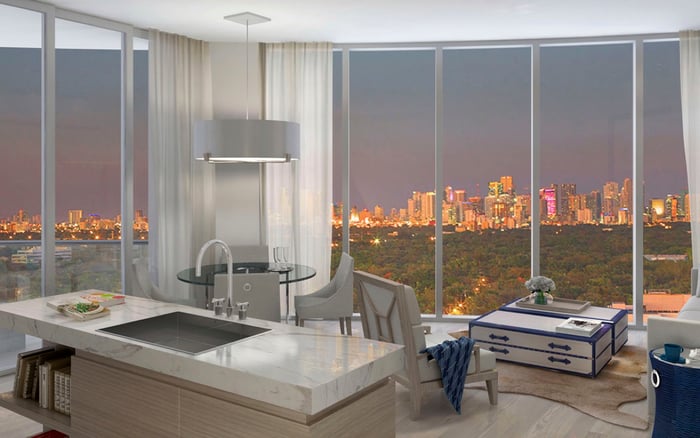
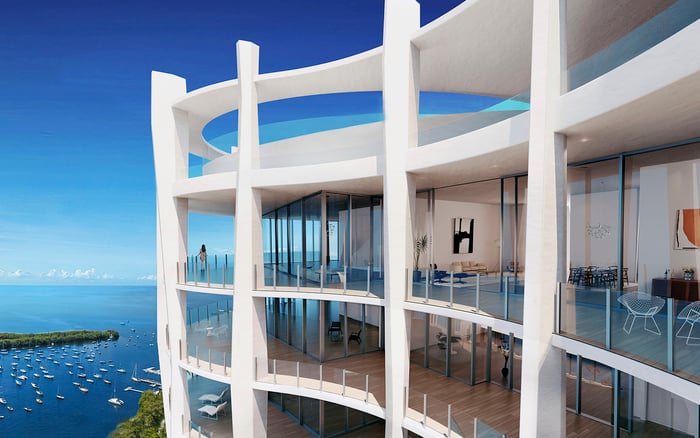
For long-term Coconut Grove condominium ownership, reserve diligence should connect building condition, replacement timing, funding, and recertification in one capital plan, without confusing their separate legal requirements.
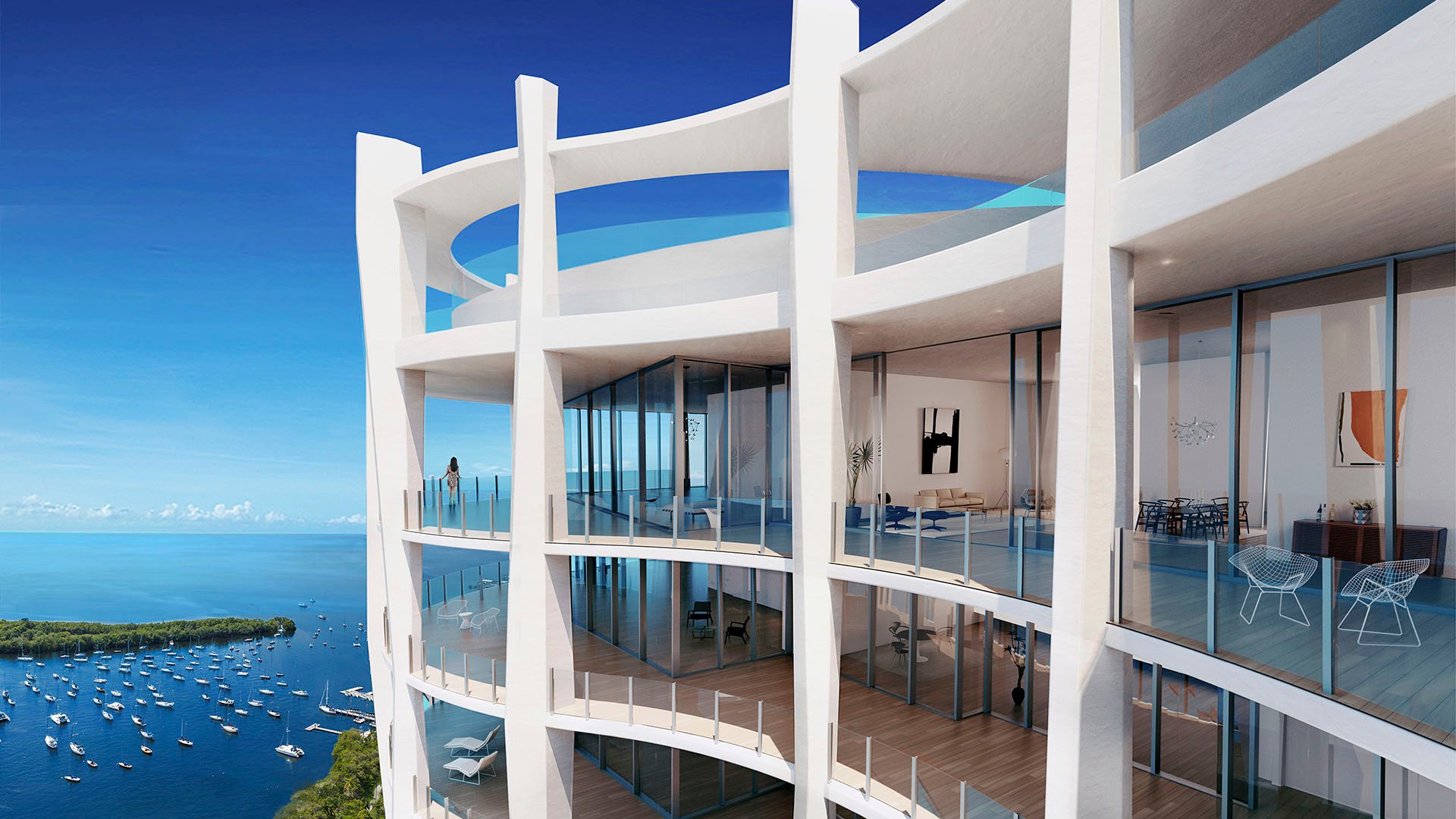
A long-term purchase in Coconut Grove asks more of a buyer than an appreciation of architecture, views, and service. The residence is part of a larger physical and financial system. Understanding how that system will be maintained is essential to evaluating the ownership experience, especially when several major building components may need attention within the same holding period.
The central question is not simply how much the association holds in reserves. It is whether the roof, façade-related work, plumbing, electrical systems, and waterproofing have been considered together, with credible timing and a clear funding path. A reserve balance becomes meaningful only when measured against the work it must support.
For a buyer considering Park Grove Coconut Grove, that means giving the association’s capital documents the same deliberate attention as the residence itself. This is a due-diligence principle, not a conclusion about any particular property’s condition or finances.
Florida requires a Structural Integrity Reserve Study, or SIRS, at least every 10 years after condominium creation for each qualifying residential condominium building three habitable stories or higher. These obligations apply to qualifying condominium buildings, not every home or property in Coconut Grove.
The covered categories include the roof; structure and load-bearing elements; fireproofing and fire protection systems; plumbing; electrical systems; waterproofing; and exterior painting. The framework also includes other qualifying items above a statutory cost threshold whose failure could affect covered components.
This scope matters because shorthand can obscure important distinctions. “Façade” may refer to appearance, waterproofing, or structural elements. The review should identify the actual scope and its relevant reserve category rather than assume that all exterior work belongs in a single cosmetic allowance. Likewise, the five systems highlighted here should not displace the other required categories from the broader plan.
Waterproofing and exterior painting are expressly included in SIRS. They should not be dismissed as optional aesthetic improvements simply because their finished surfaces are visible. The study addresses covered components in relation to structural integrity and safety, not merely presentation.
Ask the association’s professionals to explain where roof work, exterior waterproofing, painting, and façade-related structural work intersect. The aim is not to presume that every scope must be executed simultaneously. It is to understand whether the proposed sequence reflects the building’s condition and whether one project changes the assumptions behind another.
For someone evaluating Vita at Grove Isle, the questions remain building-specific: What work is contemplated, what supports its timing, and how is it funded? Neither the setting nor the architectural impression answers those questions.
Request a clear distinction between maintenance, repair, and replacement assumptions. If a planned intervention is expected to change a component’s remaining useful life, ask how that expectation is reflected in the capital plan.
Plumbing and electrical systems belong in the same review as the building envelope. Both are required SIRS categories, even though their condition may be less apparent during a residence tour. Visual polish is no substitute for understanding their estimated remaining useful lives and replacement costs.
Compare their anticipated expenditure dates with those for the roof and exterior work. If several substantial scopes fall within a similar period, ask how the association plans to meet the combined funding demand. That is a planning question, not evidence of a deficiency.
The same discipline applies when considering Four Seasons Residences Coconut Grove. A purchase evaluation should distinguish the residence’s appeal from the documentation supporting long-term building obligations. Where documents describe future work, the assumptions deserve as much attention as the totals.
Reserve calculations connect estimated remaining useful life with estimated replacement cost. The buyer’s task is to trace that connection through the association’s planned contributions and anticipated expenditures. Reading only the final reserve figure leaves the central funding question unanswered.
A practical review can follow four steps:
Identify each covered component and its estimated remaining useful life.
Record the estimated replacement cost and the timing assumed for the work.
Compare those assumptions with planned reserve contributions and scheduled spending.
Ask for an explanation of material differences between the study and the adopted budget.
Associations subject to SIRS face restrictions on waiving required reserves or using those funds for other purposes. Do not assume that money reserved for covered work is freely available for an unrelated improvement. Conversely, do not equate compliance with holding the entire future replacement cost in cash today. Have qualified advisers confirm the applicable funding requirements and whether any statutory exceptions apply to the association.
SIRS and building recertification answer different questions. One connects covered building components to reserve planning; the other addresses structural and electrical safety for continued occupancy. Miami-Dade recertification requires written certification from a Florida-registered professional engineer or architect.
The general recertification schedule is 30 years for inland buildings and 25 years for qualifying coastal buildings, followed by 10-year intervals. The coastal criteria include qualifying buildings three stories or taller within three miles of the coastline. Do not assume that every Coconut Grove condominium follows that schedule: confirm the individual building’s eligibility and deadlines.
Place the applicable recertification dates alongside the reserve plan. Review engineering findings, inspection and documentation needs, and any required corrective work together. Test the funding plan against known technical obligations, but do not treat a safety certification as a conclusion about reserve adequacy.
Whether the search includes Arbor Coconut Grove or another condominium, organize the review around the same core materials: the applicable reserve study, adopted budget, reserve balances, contribution schedule, recertification documentation, and relevant engineering findings. Ask advisers to reconcile them rather than assess each in isolation.
A useful final deliverable is a single capital calendar showing anticipated work, estimated cost, planned funding, and unresolved questions. Where the technical documents and budget use different assumptions, seek a written explanation before drawing conclusions about affordability or preparedness.
For long-term ownership, the objective is not an assurance that costs will never change. It is a clear relationship between condition, timing, and funding. That relationship provides a more substantive basis for a purchase decision than either a reassuring reserve total or an immaculate façade alone.
For a considered approach to Coconut Grove condominium ownership, explore MILLION.
If branded residences are on your mind — as a home or as an allocation — we would be glad to share what we are seeing, privately.
Begin a quiet conversationNo. The requirement concerns qualifying residential condominium buildings three habitable stories or higher, not every home or property.
Florida requires a SIRS at least every 10 years after condominium creation for each qualifying building.
Covered categories include the roof, structure and load-bearing elements, fireproofing and fire protection systems, plumbing, electrical systems, waterproofing, and exterior painting. Other qualifying items can also fall within the framework.
Not necessarily. Façade work can involve structural elements, waterproofing, or exterior painting, so buyers should establish the actual scope and relevant reserve categories.
They are covered SIRS categories whose anticipated spending should be compared within one capital calendar. This helps buyers understand combined funding demands.
It must be compared with estimated remaining useful lives, replacement costs, planned contributions, and anticipated expenditures. The balance alone does not explain how future work will be funded.
Associations subject to SIRS face restrictions on using required reserves for other purposes. Qualified advisers should confirm the rules applicable to the association.
Compliance should not automatically be equated with holding every future replacement cost in cash today. The association’s applicable funding requirements and any statutory exceptions need individual review.
No. Recertification addresses structural and electrical safety for continued occupancy, while SIRS connects covered components to reserve planning.
No. The general schedule distinguishes inland buildings at 30 years from qualifying coastal buildings at 25 years, followed by 10-year intervals; each building’s eligibility and deadlines require confirmation.