A practical framework for Washington buyers moving to Coconut Grove: compare insurance proposals, translate hurricane deductibles into dollars, verify opening protection, and coordinate coverage with closing and arrival.
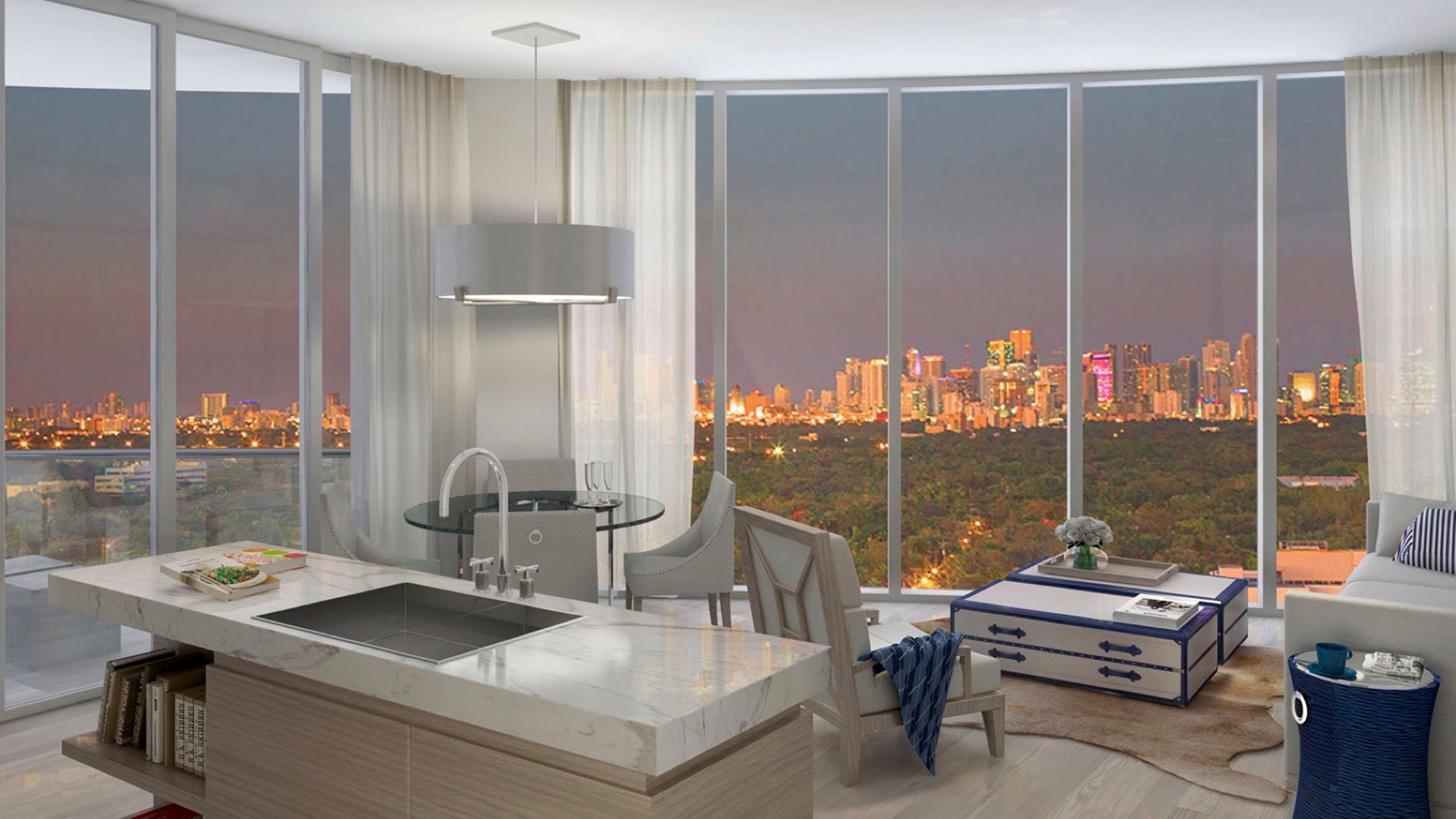
Moving from Washington, D.C. to Coconut Grove brings a different rhythm of ownership. Before arranging interiors or scheduling your first extended stay, give insurance and storm preparation the same attention as the purchase contract. The objective is not simply to obtain a quote, but to understand the cash exposure, documentation, and decisions behind it.
Begin with a fresh review, not assumptions carried over from your Washington policy. Florida homeowners policies distinguish the hurricane deductible from the deductible for other covered losses. Compare both. The annual premium alone does not capture the cost of protection.
For buyers considering Four Seasons Residences Coconut Grove, the same discipline applies: ask your insurance adviser to explain the proposed coverage for the specific residence rather than infer protection from the project name. Keep building-level and residence-level insurance questions distinct, and clarify any uncertainty about responsibility.
Create a one-page comparison before selecting a proposal. Record the annual premium alongside four essential entries:
Coverage A, the insured dwelling limit.
The deductible for non-hurricane covered losses.
The hurricane deductible percentage or applicable fixed-dollar amount.
The hurricane deductible expressed in dollars.
Ask the agent to explain differences in coverage limits and terms before comparing premiums. A lower premium should not overshadow a substantially larger amount you would need to fund after a covered hurricane loss.
Percentage hurricane deductibles are calculated against Coverage A-not the storm damage or the purchase price. Common options include 2%, 5%, and 10%, but availability depends on the policy and insured value. Do not assume every percentage, or a fixed-dollar option, will be available for a luxury residence.
Be equally precise about the term “windstorm.” Ask which deductible applies to hurricane losses and which applies to other covered wind losses under the proposed policy. Do not treat every reference to wind as interchangeable with the statutory hurricane deductible.
For a home with $2 million in dwelling coverage, the arithmetic is straightforward:
| Hurricane deductible | Dollar exposure | | --- | --- | | 2% | $40,000 | | 5% | $100,000 | | 10% | $200,000 |
These figures illustrate deductible exposure; they do not confirm that all three options are available. At $3 million to $5 million in dwelling coverage, a 5% hurricane deductible represents $150,000 to $250,000.
A hurricane deductible is not a cap on total storm-related spending. Treat the calculation as one component of the ownership budget, not a complete worst-case loss estimate. Ask your adviser to identify what the proposed policy covers and what remains outside it.
The practical decision is how much deductible exposure you are comfortable funding. Discuss that dollar amount alongside the premium rather than selecting a percentage in isolation. A familiar percentage can represent a very different commitment when applied to a substantial dwelling limit.
If your search includes Park Grove Coconut Grove, use these examples to frame questions, not to estimate costs for a particular residence. Have the agent identify the applicable coverage limit and deductible basis before translating any percentage into a personal budget.
Florida's statutory hurricane-deductible period begins when a hurricane warning is issued for any part of Florida. It ends 72 hours after the last hurricane watch or warning is terminated for any part of the state. That period is not defined solely by conditions outside your own windows.
The hurricane deductible applies on a calendar-year basis when coverage remains with the same insurer or insurer group. Once that annual deductible has been satisfied, subsequent covered hurricane losses in the same calendar year are subject to the applicable all-other-perils deductible-not another full hurricane deductible.
Ask your agent how to document losses and track the annual deductible. Before changing insurers, request an explanation of how the change would affect that calendar-year treatment. Keep the policy's loss provisions separate from the carrier's rules for binding new coverage.
Coconut Grove's Miami-Dade location places it within Florida's High-Velocity Hurricane Zone, which also includes Broward County. New shutters, windows, and doors must meet the applicable product-approval and debris-impact standards.
An “impact” description alone is not sufficient due diligence. Request documentation for the products actually installed and ask a qualified professional to review it against the applicable requirements. Testing and approval standards differ; do not assume every product undergoes identical testing.
For a residence under consideration at Arbor Coconut Grove, make the documentation request specific to the home and any proposed alterations. This is a diligence recommendation, not a statement about the project's installed systems.
Before replacing windows, doors, or shutters, confirm permitting requirements, including those for residential accordion shutters and storm panels. For work in larger buildings, also confirm whether threshold-building special-inspection requirements apply. Resolve these questions before treating installation as a routine item on the move-in schedule.
Ask your agent when coverage can be bound, which storm-related restrictions the carrier uses, and what information remains outstanding. Ask the lender what evidence of coverage it requires. Then coordinate those answers with the closing team.
Do not plan the transaction around an assumed statewide rule requiring binding 10 to 14 days before closing. Nor should you assume every carrier uses the same storm-related trigger. Obtain the instructions that apply to the proposed policy and keep them with your closing checklist.
Treat the insurance effective date, closing date, and physical arrival date as separate milestones. Ask how a change to one affects the others. Before committing to deliveries, discuss a postponement contingency with the mover and any building contact involved.
Whether the Grove becomes your primary address or a base between Washington visits, assign responsibility for securing the property. Test shutter operation, locate panels and hardware where applicable, and confirm who will act if you are away. These practical preparations are recommendations, not universal insurance requirements.
For buyers considering Mr. C Tigertail Coconut Grove, ask the appropriate building contact to clarify move-in arrangements and storm-preparation responsibilities for the residence. Do not assume a service offering answers every operational question.
Keep policy details, agent contacts, protection-system instructions, and relevant documents accessible away from the property. Before arrival, confirm that everyone responsible understands the plan. A well-planned move makes both the financial exposure and the practical arrangements clear before the keys change hands.
Explore your next Coconut Grove residence with MILLION.
If branded residences are on your mind — as a home or as an allocation — we would be glad to share what we are seeing, privately.
Begin a quiet conversationRecord Coverage A, the non-hurricane deductible, the hurricane deductible percentage or fixed amount, and its dollar equivalent. Ask the agent to explain differences in coverage and terms.
No. It is calculated against Coverage A, the insured dwelling limit, rather than the purchase price or amount of storm damage.
It represents $100,000 in deductible exposure. That amount is not a cap on total storm-related spending.
No. Availability depends on the policy and insured value, and buyers should not assume every option is available for a luxury home.
It begins when a hurricane warning is issued for any part of Florida. It ends 72 hours after the last hurricane watch or warning is terminated for any part of the state.
The deductible applies on a calendar-year basis when coverage stays with the same insurer or insurer group. Once satisfied, subsequent covered hurricane losses that year are subject to the applicable all-other-perils deductible.
Yes. Coconut Grove is in Miami-Dade County, which is within Florida's High-Velocity Hurricane Zone along with Broward County.
No. Request documentation for the actual installed products and have the applicable approval and debris-impact requirements reviewed.
Do not treat that timing as a universal statewide requirement. Ask the agent about the carrier's binding rules and the lender about required evidence of coverage.
As practical recommendations, test shutter operation, locate panels and hardware where applicable, and assign responsibility for securing the property. These steps are not presented as universal insurance requirements.