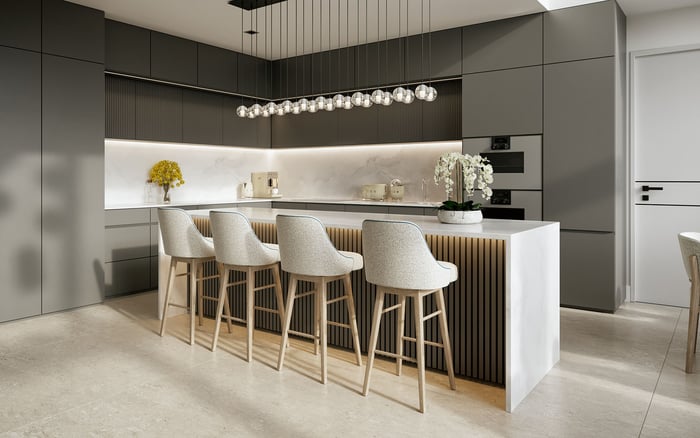
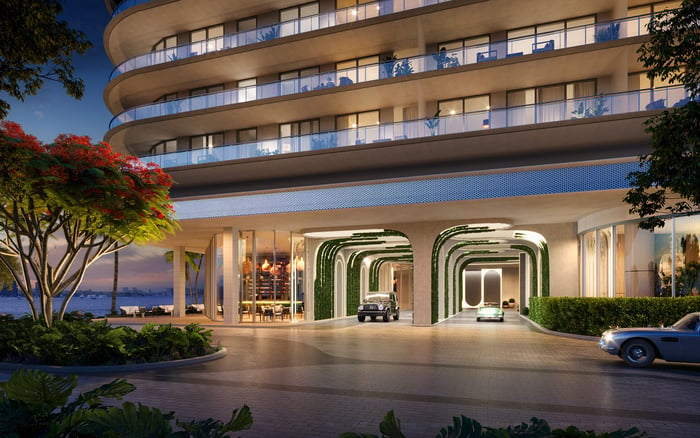
A collector’s residence should work as carefully when empty as when occupied. For part-time living in North Bay Village, that means measured light exposure, layered daylight control, installation-specific structural review, and written answers about collection insurance.
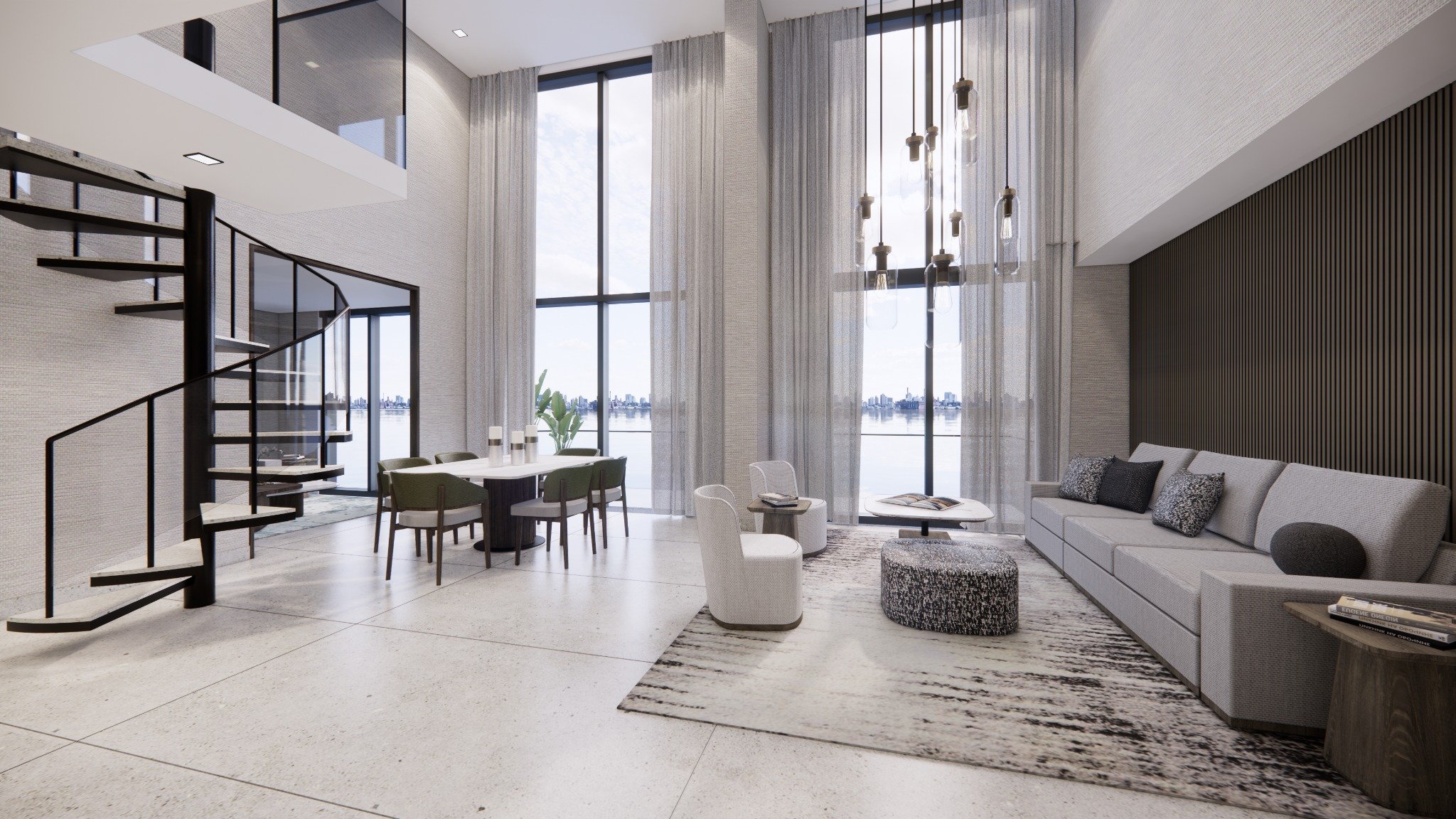
A part-time residence in North Bay Village should make arrival effortless without leaving the collection illuminated in an empty room. The essential distinction is between lighting a beautiful interior and managing each object’s exposure. Those objectives can coexist, but they are not the same design brief.
Here, museum-grade planning means a disciplined process: identify sensitive materials, measure light at the artwork, control unnecessary exposure, and resolve installation and insurance questions before delivery. It is not a promise that a fixture, window treatment, or residential address makes a collection safe.
When evaluating Continuum Club & Residences North Bay Village, bring an artwork schedule alongside the furniture plan. Ask how proposed display locations could accommodate the collection. An attractive wall is not necessarily an appropriate one.
Start with the material, not the room. Useful planning ceilings are 50 lux for highly light-sensitive textiles, watercolors, photographs, and other paper-based collections; 150 lux for oil paintings, wood, and leather; and up to 300 lux for relatively light-stable materials such as metal, stone, glass, and some ceramics. Finishes and mixed components can change an object’s sensitivity.
These figures are starting points, not assurances against fading. No light level guarantees that sensitive materials will not deteriorate. A conservator may recommend lower exposure for fugitive colorants, unstable photographs, or particularly delicate works.
Duration matters as much as brightness. Total exposure combines intensity with time: a carefully dimmed picture light left on throughout an absence still adds unnecessary exposure. Specify viewing settings and an away setting that switches display lighting off. Timers or occupancy controls can help, but they should be tested against the household’s actual routines.
Keep sensitive objects out of direct sunlight. Shades, curtains, and appropriate UV-filtering materials can help reduce exposure through windows, but they address different parts of the problem. UV filtration does not eliminate damage from visible light. A UV-related glazing specification is not a reason to omit shading.
A UV maximum of 75 microwatts per lumen serves as a benchmark, while approximately 0-10 microwatts per lumen is achievable with current technology. Treat minimizing UV as a separate objective from setting visible-light levels. Conventional light meters generally measure illuminance; assessing UV requires a UV meter.
For a residence under consideration at Shoma Bay North Bay Village, review proposed artwork positions alongside daylight and window-treatment plans. Verify any proposed film or shading installation with the appropriate building representatives. A product’s suitability for conservation does not establish permission to install it.
The same discipline applies when comparing North Bay Village with Miami Beach options such as 57 Ocean Miami Beach: assess the specific room, display wall, and controllable exposure rather than transferring assumptions between addresses.
An LED label is not a complete conservation specification. Evaluate spectrum, color rendering, flicker, and dimming performance. Any lighting source containing UV should be effectively filtered. The goal is controlled illumination that presents the work thoughtfully, without treating brightness as a proxy for quality.
Commission the installation at the artwork’s surface, not just at the fixture or the center of the room. Ask the lighting team to record illuminance with the relevant shades and lighting settings in place, and assess UV separately. Use those measurements to guide adjustments before saving the final settings.
For a buyer considering Tula Residences North Bay Village, request an object-by-object review of the proposed installation. A project’s inclusion in a property search establishes neither its lighting performance nor its wall capacity or alteration permissions.
There is no universal artwork weight limit for residential walls. Make the installation review specific: provide the artwork’s dimensions, its complete installed weight including frame and glazing, the proposed location, and the intended mounting arrangement. Ask a qualified installation professional and, where appropriate, a structural engineer to assess the actual conditions.
Request confirmation of wall construction, available backing, concealed services, and any drilling restrictions. Do not select anchors based on an assumed wall type or treat decorative finish as evidence of structural support. For substantial freestanding sculpture, ask separately whether the proposed floor location needs engineering review.
Obtain the condominium’s applicable alteration requirements in writing. For municipal permitting questions, contact North Bay Village’s Building Department at 305-754-6740 or 1666 Kennedy Causeway, Suite 101, North Bay Village, FL 33141. The department’s contact information does not establish whether a particular installation needs a permit; ask about the actual proposed work.
Insurance planning should reflect both the collection and the owner’s occupancy pattern. Tell the insurance adviser when the residence will be occupied, where works will be displayed or stored, and whether objects will move between homes. Ask which records and valuations are needed. Do not assume a purchase invoice settles every question.
Request written answers about valuation and settlement terms, including whether agreed value applies. Ask specifically how the proposed policy addresses flood, named storms, transit, installation, temporary storage, and extended absences. These are coverage questions, not assurances that any particular policy includes or excludes those circumstances.
Also ask about deductibles, exclusions, security conditions, notification obligations, and whom to contact before moving a work. Keep the answers with the policy documents so the owner and designated representative can consult the same instructions.
Before departure, prepare a concise handover covering display-light settings, shade positions, approved handling contacts, and escalation instructions. Have the designated representative demonstrate the away setting and confirm that routine visits will not leave artwork lighting running indefinitely.
Keep the object schedule, installation documentation, measured light settings, and insurance correspondence together. Revisit the plan when a work moves, a fixture changes, or a new window treatment is installed. The goal is not to make the residence feel institutional, but to make collection care deliberate and repeatable while the owner is elsewhere.
For a considered approach to your next South Florida residence, explore MILLION.
If branded residences are on your mind — as a home or as an allocation — we would be glad to share what we are seeing, privately.
Begin a quiet conversationA planning ceiling of 50 lux applies to highly light-sensitive works such as watercolors, photographs, textiles, and paper-based collections. A conservator may recommend lower exposure for an individual object.
A planning ceiling of 150 lux applies to oil paintings, wood, and leather. It is not a guarantee against deterioration or a universal specification for every work.
Up to 300 lux is a planning baseline for relatively light-stable materials, including stone and metal. Finishes and mixed components may require a lower level.
Switch display lighting off when nobody is viewing the collection. Timers or occupancy controls can help reduce unnecessary exposure.
No. Visible light also damages sensitive materials, so UV filtration must be paired with limits on illuminance and display duration.
A UV maximum of 75 microwatts per lumen serves as a benchmark, while approximately 0–10 microwatts per lumen is achievable with current technology. Minimizing UV remains distinct from controlling visible light.
No. Evaluate spectrum, color rendering, flicker, and dimming performance, and effectively filter any source containing UV.
Measure illuminance at the artwork’s surface with the relevant lighting and shade settings in place. Assess UV separately with a UV meter.
There is no universal limit established for every wall. Have qualified professionals evaluate the actual construction, complete installed weight, mounting arrangement, and applicable building requirements.
Request written clarification on valuation, flood, named storms, transit, installation, temporary storage, and extended absences. Confirm policy conditions and notification obligations rather than assuming coverage.