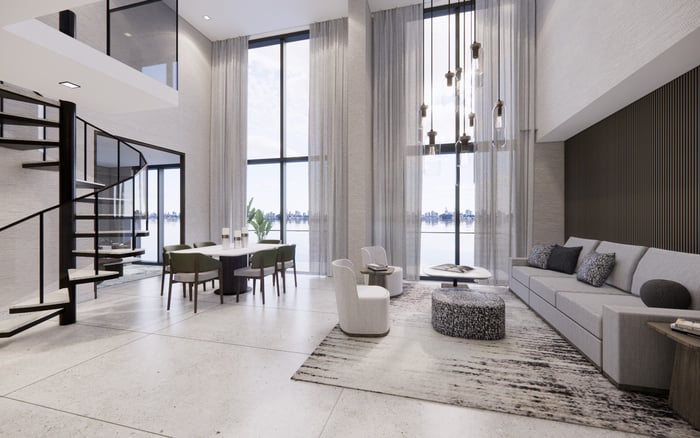
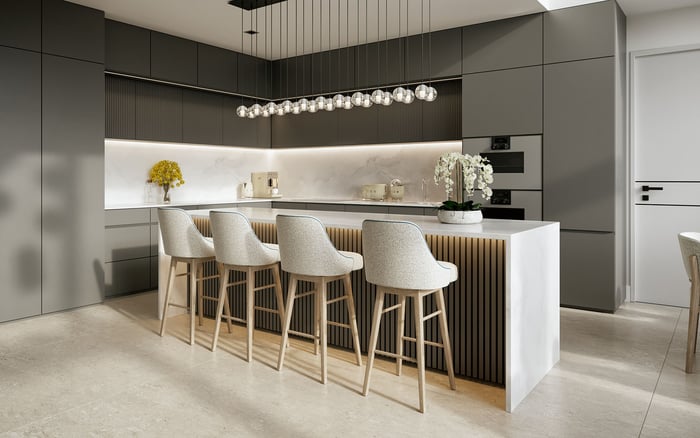
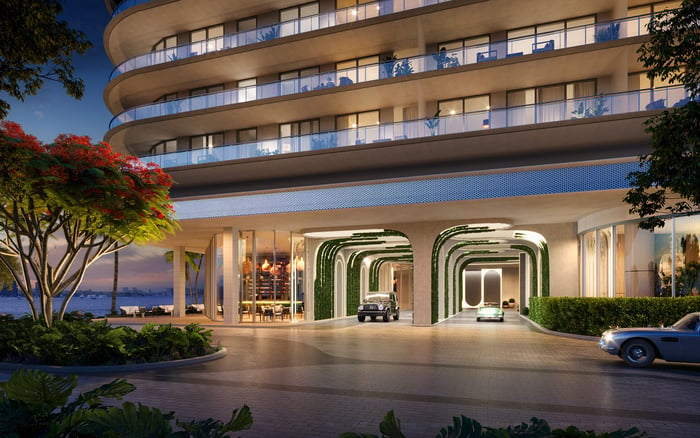
A collector’s guide to organizing art delivery and installation in a North Bay Village condominium, from freight access and environmental planning to building approvals and municipal permit questions.
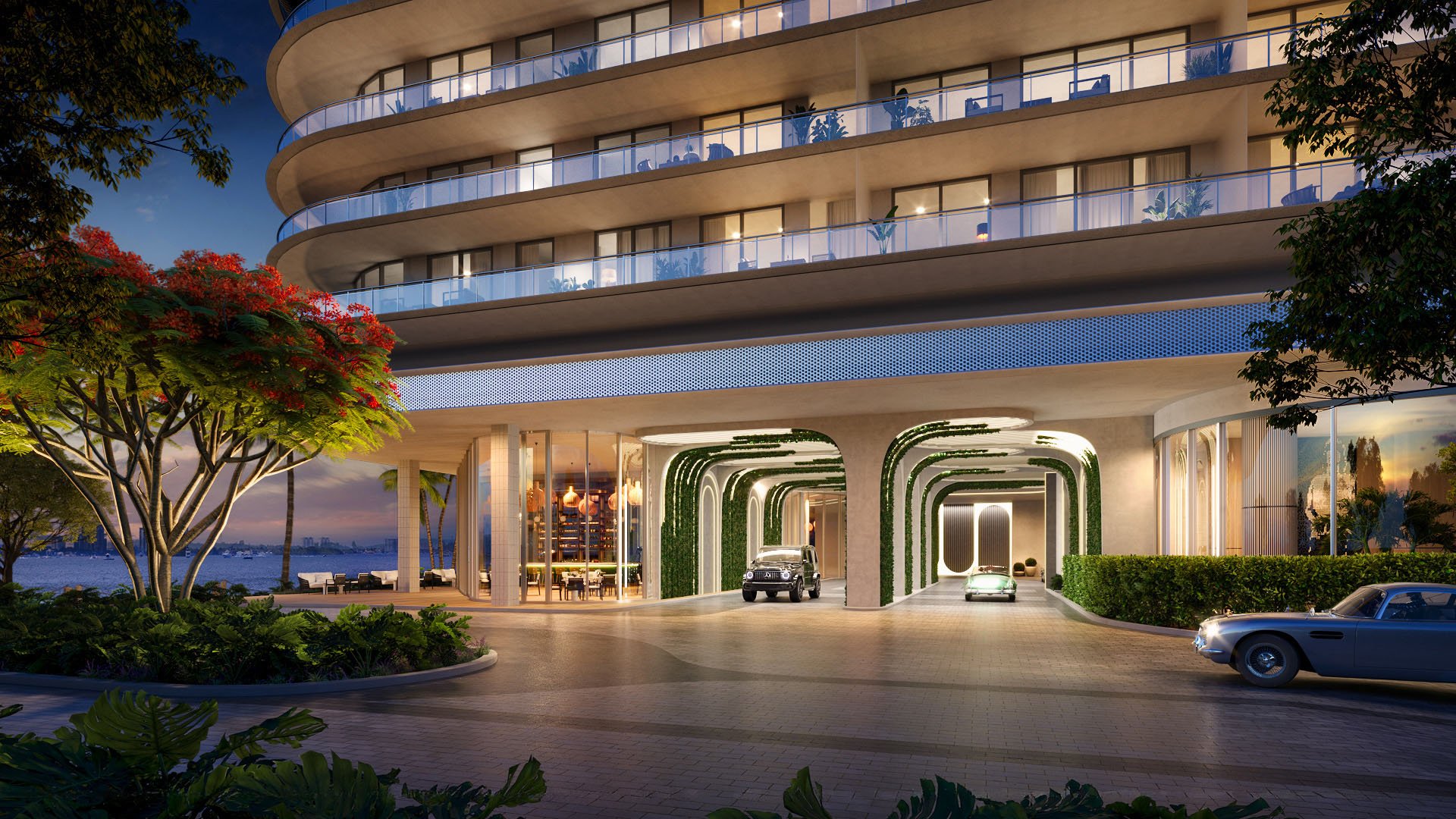
A significant artwork changes how a residence is planned. The wall becomes more than a composition; the route from vehicle to room becomes part of the acquisition decision. For a North Bay Village condominium owner, the most useful luxury is a clear ownership file: one place for the artwork’s handling instructions, physical dimensions, proposed installation, and written permissions.
Treat that file as an owner’s planning instrument, not a universal condominium requirement. Confirm freight procedures, insurance conditions, working hours, and approval sequences with the particular building. The essential distinction is between permission to bring an object inside and permission to alter the residence around it.
For buyers considering Continuum Club & Residences North Bay Village, this is a useful due-diligence lens: ask how the intended collection would enter, be positioned, and be supported before treating a floor plan as the finished answer.
Begin with the packed object, not the artwork alone. Ask the handler to document crate dimensions, combined weight, permitted orientation, equipment needs, and any restrictions on unpacking. Then request a route review with management covering the proposed unloading point, entrance, corridors, elevator, landings, and residence doorway.
An elevator’s interior dimensions are only part of that review. Ask the team to check door openings, turns, and the space needed to maneuver the crate with its handling equipment. Have management confirm the applicable load limits and whether the proposed route can accommodate this delivery.
The reservation inquiry should establish who authorizes access, how confirmation is issued, what time window applies, and what happens if the vehicle arrives late. Ask whether the building specifies protection materials, vendor documentation, insurance limits, deposits, or staffing. Do not assume any condition applies until it is confirmed.
For an owner evaluating Shoma Bay North Bay Village, these questions belong alongside room proportions and furniture layouts. Test the delivery plan against the particular residence rather than inferring it from another condominium’s arrangements.
Keep the working brief concise enough for the owner’s representative, management, and art handler to use together. Suggested contents include object and crate specifications, route notes, the requested access window, crew contacts, handling instructions, and a sketch of the final placement.
Include a proposed protection plan for shared finishes and the residence. Condition photographs taken before dispatch, upon arrival, and after installation can provide a useful record. These are recommended owner safeguards, not statements of a building’s mandatory procedures.
Assign responsibility for accepting the shipment, authorizing unpacking, and deciding whether work should pause. Ask the team to agree on an alternative if access is unavailable or the room is not ready, including who may authorize a return trip or temporary holding arrangement. Obtain artwork-specific advice before choosing that alternative.
Distinguish a requested reservation from a confirmed one. Keep the confirmation and its conditions with the delivery brief, and circulate changes before the vehicle departs.
Discuss comfort cooling and collection care as separate objectives. Ask a qualified conservator or the artwork’s specialist adviser to define appropriate environmental conditions, handling precautions, and any acclimatization instructions for the individual work. Do not substitute a generic temperature, humidity target, or waiting period for that advice.
Next, ask the appropriate mechanical professional to assess whether the proposed room can meet those needs. Frame the review around the intended placement, existing equipment, controls, and the adviser’s written instructions. If additional equipment is proposed, identify its location and scope before authorizing purchase or installation.
Waterfront living can inspire an expansive display concept, but the environmental plan should remain specific to the collection. At Tula Residences North Bay Village, as with any residence under consideration, request a review of the intended room rather than assuming a particular level of collection care from its setting.
If new mechanical air-conditioning work is proposed, ask the municipal Building Department whether the scope requires a permit. Confirm the applicable requirements and submission route for the North Bay Village installation before proceeding.
A delivery description should not conceal a construction scope. Ask the installer to distinguish placing or hanging the artwork from removing walls, introducing structural support, changing electrical connections, or adding dedicated cooling. Describe each proposed intervention clearly enough for management and the relevant professionals to review.
For proposed construction, alterations, repairs, or building-system changes, request a scope-specific permit determination. Identify any wall removal, electrical work, or plumbing changes in that inquiry rather than assuming the artwork’s installation is exempt or automatically requires a permit.
Keep building approval and governmental authorization as separate workstreams. Ask management what it needs to review, and ask the municipal Building Department to confirm the applicable process for the actual scope. Do not assume a county electronic submission portal is the correct destination for every municipal application.
For buyers comparing North Bay Village with Miami Beach, the same planning discipline travels well. Local procedures, however, should not be carried from one municipality to another.
When the owner will not be present, nominate a representative and document the limits of that person’s authority. A representative might be authorized to receive the crate but not to approve a revised mounting method, a different display location, or additional construction. Make those distinctions before delivery day.
Ask the team to sequence the work so that required approvals, room preparation, and any applicable inspections are resolved at the appropriate stage. Where permitted work is involved, confirm the applicable inspections and completion records with the authority handling that work.
Request an installation record describing the agreed mounting arrangement and any care instructions provided by the relevant specialists. Keep contractor details, warranties where supplied, photographs, and applicable approval or completion documents together. The purpose is continuity when the owner, adviser, or service team changes.
Before considering the project complete, arrange a joint review of the artwork’s placement, the installation record, and the condition of affected finishes. Record unresolved items and who will address them. A final written acknowledgment can be a useful owner-requested safeguard, not a universal building requirement.
The finished file should make four things clear: how the artwork arrived, what was authorized, what environmental instructions apply, and who remains responsible for follow-up. That clarity allows the collection to feel effortless within the home while preserving the decisions behind it.
For a considered approach to South Florida condominium ownership, explore MILLION.
If branded residences are on your mind — as a home or as an allocation — we would be glad to share what we are seeing, privately.
Begin a quiet conversationInclude artwork and crate specifications, handling instructions, route notes, access confirmations, installation details, and applicable approvals. Add condition photographs and specialist care instructions as owner safeguards.
Do not assume a shared process. Confirm access windows, documentation, insurance conditions, deposits, and staffing directly with the particular building.
Start with the packed dimensions and combined weight, and account for the handling equipment needed along the route. Ask the team to check openings, turns, and maneuvering space.
Treat delivery access and installation permission separately. Confirm that management has reviewed the actual installation scope rather than only the shipment.
Ask the municipal Building Department to determine permit requirements for the actual installation scope. Do not assume that every installation requires a permit or that all artwork-related work is exempt.
Identify any wall removal, structural support, electrical or plumbing changes, and new mechanical air-conditioning work in the permit inquiry. Ask the municipal Building Department which requirements apply to the proposed scope.
No. Confirm the submission route with the municipal Building Department rather than assuming the county portal serves every local application.
Ask a qualified conservator or artwork-specific adviser to define suitable conditions. Generic numerical targets should not replace instructions tailored to the work.
Name a representative and document what that person may authorize. Separate receiving authority from permission to change mounting methods, placement, or construction scope.
Keep installation details, condition photographs, specialist care instructions, and applicable approval or completion records. Record outstanding items and responsibility for follow-up.