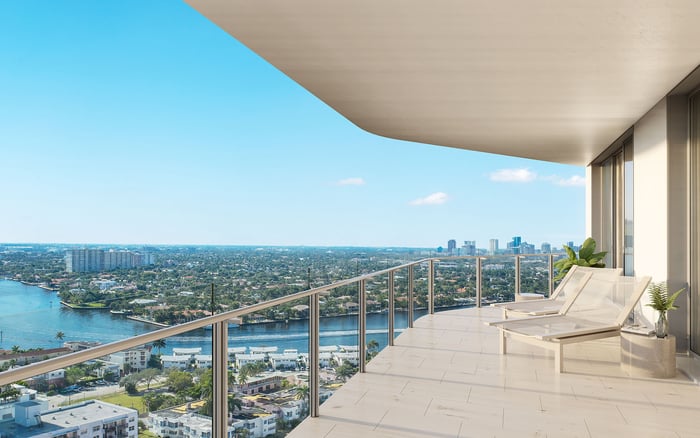
A discreet security plan for a part-time Broward oceanfront residence starts with clear responsibilities, properly licensed providers, restrained information sharing, and a hurricane protocol that respects building procedures and evacuation orders.
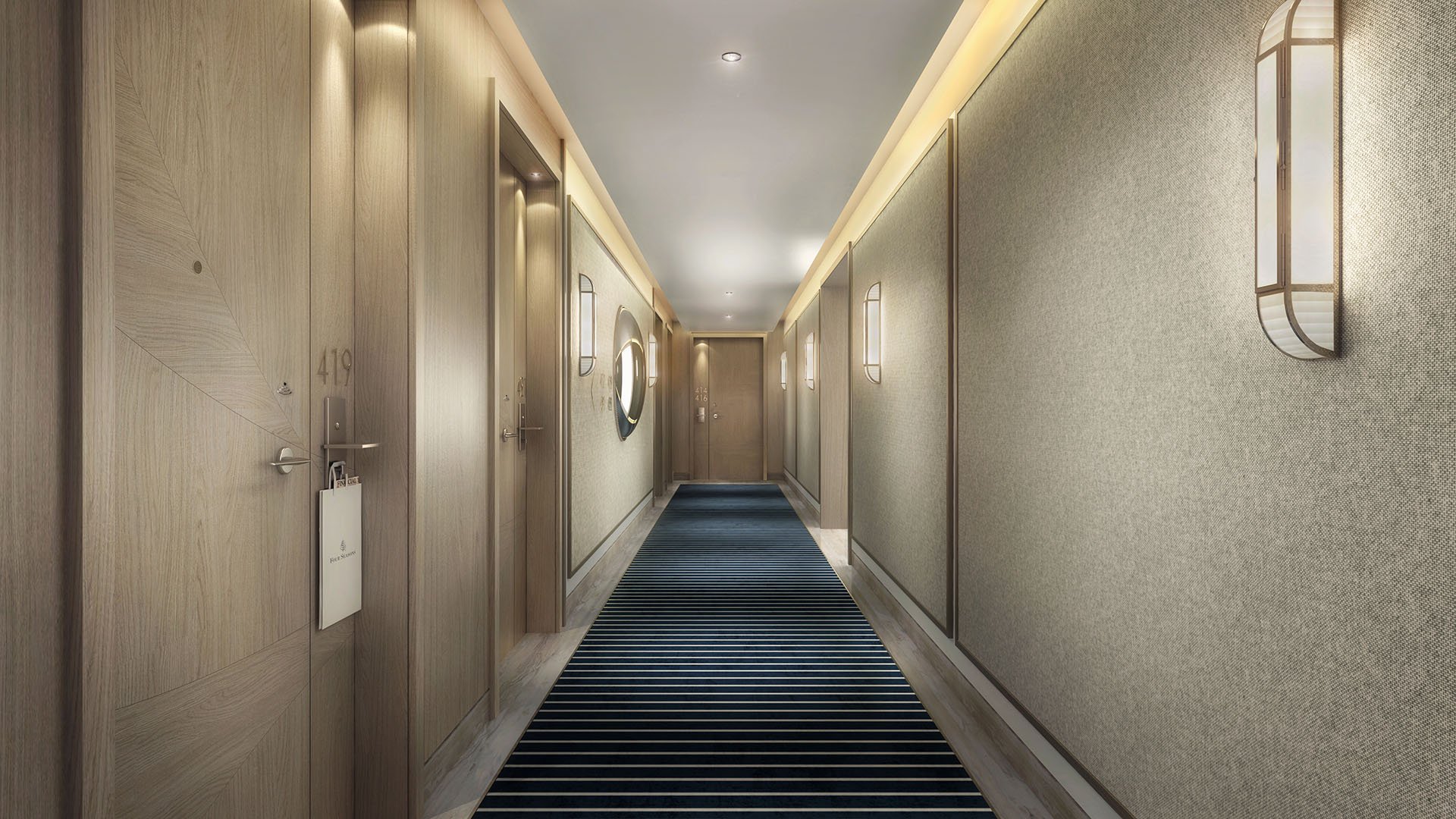
The appeal of a part-time Broward residence is the freedom to arrive without bringing the administration of another household with you. Security should support that freedom-not create a second reception desk, competing instructions for staff, or an unnecessary record of your private life.
For an owner considering Auberge Beach Residences & Spa Fort Lauderdale, the starting point is not a staffing proposal. It is a conversation about what the building controls, what the owner needs covered, and where private services may operate. Confirm those details for the individual residence rather than treating a project name as evidence of a particular security arrangement.
Full-time security planning need not mean an officer stationed inside an empty apartment around the clock. As a planning principle, it means defining who receives an alert, who can act, and what happens when the first contact is unavailable. The recommendations below are practical considerations, not additional Florida legal requirements.
Before requesting proposals, ask management to explain the procedures for visitors, vendors, deliveries, credentials, and emergency access. Establish which decisions remain with the building and which an owner may delegate. Obtain any relevant approvals before introducing private personnel or equipment.
Then create a short responsibility matrix. For each task, identify the decision-maker, the person authorized to act, and the person who receives confirmation. A private provider's role might be limited to an approved residence visit, an owner notification, or coordination with management. It should not assume authority over shared entrances or other residents.
For a Hallandale Beach buyer evaluating 2000 Ocean Hallandale Beach, this is a useful due-diligence question before departure: how would an owner-appointed provider enter, document a visit, and leave without changing the building's visitor process? Ask rather than assume.
Avoid parallel guest lists and informal exceptions. An owner representative should work through the approved access process, not create an alternative to it.
Florida regulates the private-security industry under Chapter 493. A business operating as a private-security agency must hold a Class B license. That license is valid for only one business location, and each branch office must have a Class BB license.
The contracting office deserves attention alongside the provider's name. Ask for the legal entity, its agency license details, and the licensing information for any branch office that will serve the residence. Verify those details before engagement rather than relying solely on a proposal or introduction.
Keep operational questions separate from licensing. Ask how the proposed service would handle absences, missed visits, escalation, and communication with building management. Put the agreed scope and exclusions in writing. Licensing establishes a regulatory baseline; it does not, by itself, establish that the service fits your household.
Start with the situations you want addressed: a scheduled inspection, an unexpected access request, an alert while you are overseas, or a concern requiring management's attention. Decide which merit a telephone call, which need a visit, and which require emergency services.
For a Pompano Beach residence, including one under consideration at The Ritz-Carlton Residences® Pompano Beach, ask how a proposed private service would complement the applicable building procedures. The question is about fit, not an assumption about that project's staffing or systems.
A written proposal should distinguish continuous on-site staffing from scheduled visits and on-call response. Request the proposed response arrangements and their limits, including what happens if access is unavailable. Do not mistake an always-available telephone number for guaranteed physical attendance.
Choose the least intrusive arrangement that addresses your identified needs. Additional personnel should have a defined purpose, not merely duplicate a function already assigned to the building.
Privacy deserves its own brief. Specify what each participant needs to know, and avoid distributing a complete travel calendar when a narrower instruction would suffice. A provider may need permission to attend during a defined window without needing the family's itinerary.
Consider individual, revocable credentials where the building and relevant systems permit them. Avoid broadly shared logins, and identify who can issue, change, or withdraw access. When an engagement ends, include credential review in the handover.
Before installing private cameras, review permissions, placement, viewing access, and retention with appropriate advisers. Favor a defined security purpose over expansive surveillance. Do not assume you may record shared corridors or neighboring entrances, and seek legal advice before enabling audio recording.
For an owner considering Rosewood Residences Hillsboro Beach, the same questions belong in the planning discussion. Treat camera permissions and information access as matters to confirm for the residence, not features implied by its address or branding.
Florida Statute 768.0706 provides qualifying multifamily property owners or principal operators a presumption against liability for certain third-party criminal acts when specified security measures are substantially implemented.
Those measures include entry and exit cameras producing recorded, retrievable footage retained for at least 30 days. The provision addresses the property's owner or principal operator; it is not a blanket 30-day retention requirement for every unit owner's private cameras.
Nor is the presumption blanket immunity. Camera retention alone does not establish qualification under the statute. Ask counsel to distinguish the property's obligations and potential protections from decisions about your own equipment. Do not copy a building retention period into a household contract without considering its purpose.
Broward County's hurricane season runs from June 1 through November 30. For part-time coastal owners, storm preparation belongs in the departure plan, not merely in an emergency telephone tree.
The County Administrator orders hurricane evacuations to protect coastal residents from dangerous storm surge. Two evacuation plans apply depending on storm severity. Residents east of the Intracoastal Waterway, beside tidal waters, in low-lying areas, and in mobile homes may fall within orders under the applicable plan.
Identify the residence's evacuation information and arrange sheltering and transportation in advance. Sign up for alerts, gather essentials, and establish who may coordinate property preparations while you are away. Evacuation plans, shelter locations, and guidance on what to bring are available among the county's emergency resources.
Private security should not be framed as permission to remain during an evacuation. Define when visits stop, how personnel follow evacuation orders, and how any later attendance will be coordinated with management and applicable safety restrictions.
Walk through an ordinary vendor visit, an unanswered owner call, and a hurricane evacuation scenario. Confirm that everyone understands their authority, backup contact, and reporting responsibilities. Review credentials and private-camera access whenever providers or household arrangements change.
The goal is a residence that remains cared for without making your movements more visible or your building's procedures more complicated. Clear boundaries are as important as the service itself.
For a considered approach to Broward coastal ownership, explore residences with MILLION.
If branded residences are on your mind — as a home or as an allocation — we would be glad to share what we are seeing, privately.
Begin a quiet conversationNot necessarily. Define the coverage you need and distinguish continuous staffing from scheduled visits and on-call response before choosing a service.
Confirm management's procedures and assign private personnel a clearly bounded role. Their access should follow the building's approved process rather than establish a competing one.
A business operating as a private-security agency must hold a Florida Class B license. Verify the legal entity and the office providing the service before engagement.
A Class B license is valid for only one business location. Each branch office must have a Class BB license, so the office serving your residence is relevant.
Identify who makes decisions, who may act, and who receives confirmation for each task. Include backup contacts and clarify which responsibilities remain with building management.
The cited multifamily statute's 30-day provision addresses qualifying property owners or principal operators, not every unit owner's private cameras. Review household retention decisions separately with appropriate advisers.
No. It provides qualifying owners or principal operators a presumption against liability for certain third-party criminal acts, and camera retention alone does not establish qualification.
Give each participant only the information needed for the assigned task. Where permitted, use individual, revocable credentials and review access when an engagement ends.
Hurricane season runs from June 1 through November 30. Part-time owners should arrange alerts, sheltering, transportation, and property-preparation responsibilities in advance.
No. The plan should provide for personnel to follow evacuation orders and coordinate any later attendance with management and applicable safety restrictions.