A buyer-focused guide to the legal documents and operating procedures that should clarify retail adjacency, delivery circulation, and resident-arrival privacy at Sixth & Rio Fort Lauderdale.
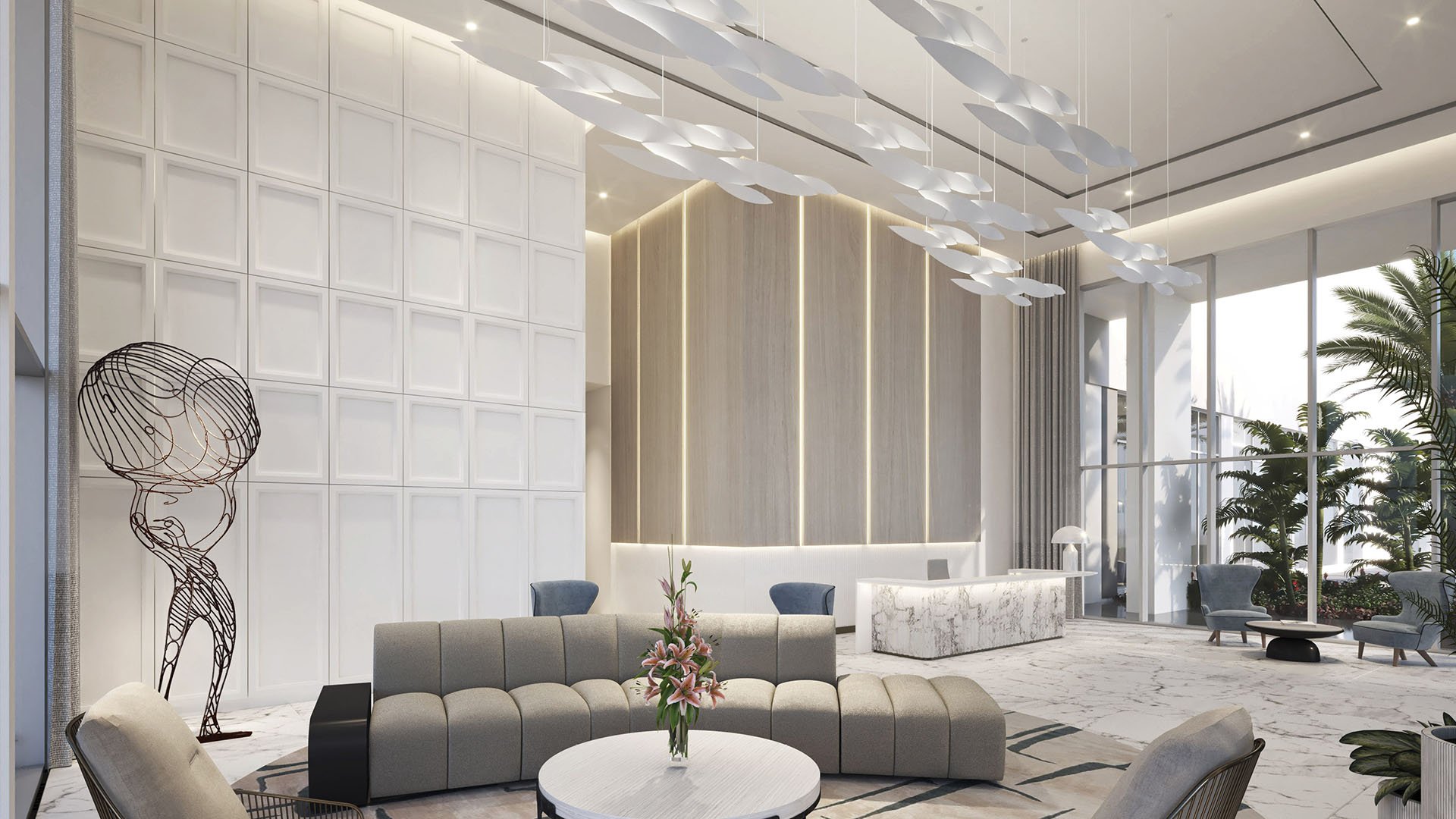
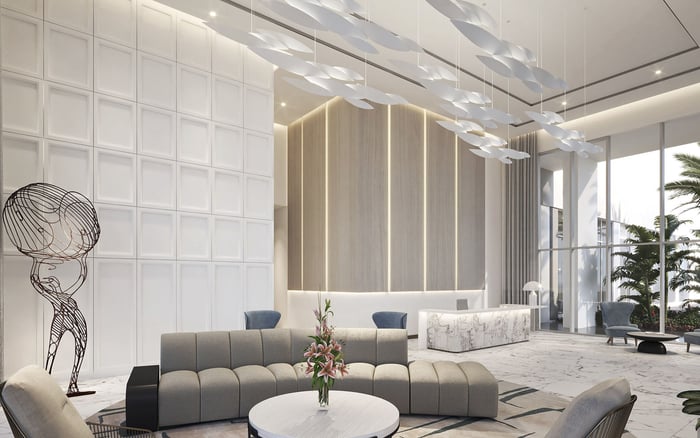
For a luxury condominium buyer, privacy begins before the elevator: the approach by car, the moment a guest announces an arrival, and the route a courier takes through the building. At Sixth & Rio Fort Lauderdale, those details deserve the same scrutiny as the residence itself.
The marketed address is 501 SE 6th Avenue, Fort Lauderdale, Florida 33301, in a New River setting near Smoker Family Park and Rio Vista. Access to Las Olas, nearby neighborhoods, parks, and riverfront attractions is part of the project's appeal. That connected setting makes it especially important to distinguish neighborhood activity from the building's authorized uses and internal circulation.
The essential questions are not whether urban activity exists, but where it stops, who controls it, and which protections survive changes in management. Counsel should establish the legal framework; management should explain how it will function on an ordinary evening.
Nearby shopping and dining do not establish commercial space inside the condominium. Nor do the resident clubroom's described wine bar, pool table, and commercial kitchen establish a public restaurant. A complete on-site retail program has not been defined in the available project information.
Ask counsel to identify the uses authorized by the declaration, zoning approvals, approved site plan, and applicable certificate of occupancy. The inquiry should cover residential, retail, restaurant, office, wellness, and event uses, including whether any may be introduced later. Request the controlling documents rather than relying on a general description of the property's character.
If commercial space exists or is permitted, determine who regulates operating hours, customer entrances, deliveries, waste collection, music, and events. Can customers enter a residential lobby or use shared elevators? Are service areas shared? Who can enforce restrictions, and what happens when a tenant's operations interfere with residential access?
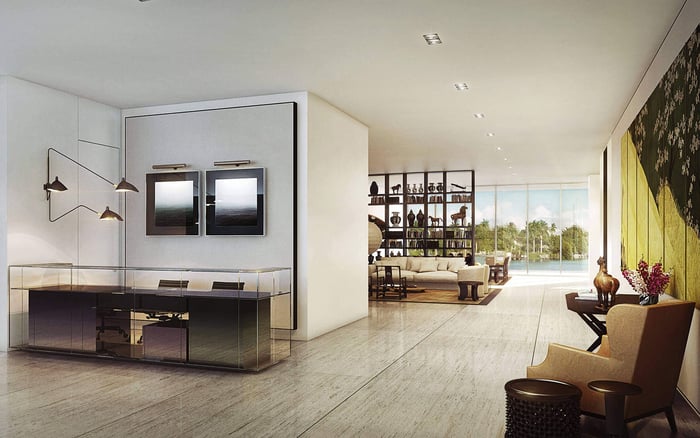
For buyers also considering Andare Residences Fort Lauderdale, these questions offer a useful comparison framework-not a claim that the projects share commercial arrangements. Apply them to each property's own documents.
A circulation drawing can reveal more than a broad promise of controlled access. Request a plan that distinguishes resident, visitor, public, commercial, amenity, and service routes. Have counsel identify the legal rights behind each route, including any waterfront or Riverwalk access easements that may apply.
Physical separation and an enforceable restriction are not the same thing. A doorway shown on a drawing does not, by itself, establish who may use it or whether access rules can change.
Ask whether the developer or association can modify guest, delivery, camera, or commercial-use policies without owner approval. Establish which provisions are embedded in recorded documents and which remain discretionary operating rules. Counsel should also explain responsibility for security, traffic mitigation, and any shared service costs.
Finally, ask what remedies are available if residential access is repeatedly obstructed. The objective is to establish who has authority to act and which protections are enforceable-not to accept an informal assurance that concerns will be addressed.
Management should be able to explain, separately, the proposed route for a food courier, parcel carrier, furniture crew, mover, and contractor. Each has different space, access, and supervision needs.
Ask where vehicles stop, where personnel enter, who receives deliveries, and whether delivery personnel may reach residential floors. Request details of the applicable loading areas, delivery hours, vehicle limits, and queuing procedures. The procedures should explain how resident drop-off, garage access, and emergency routes remain clear when several arrivals overlap.
A practical test is to ask management to walk through simultaneous arrivals: a resident returning home, a furniture delivery, and an unannounced guest. Who directs each person? Where does a vehicle wait if the loading area is occupied? What happens if a delivery arrives outside its permitted window?
These are diligence questions, not descriptions of established Sixth & Rio procedures. The available information does not establish a complete loading or delivery-routing plan. If procedures are still being developed, request the proposed plan in writing and identify which decisions remain subject to change.
Described project features include access-controlled entry points at elevators, lobbies, the parking garage, and resident amenities. Access control is a feature, not a complete operating policy. It does not establish staffing hours, guest screening, courier permissions, temporary credentials, or camera coverage.
Ask management how unannounced guests, ride-share waiting, recurring vendors, and domestic staff will be handled. Temporary credentials warrant particular attention: who issues them, where they work, when they expire, and how they are revoked.
Arrival privacy also concerns information. Counsel and management should explain whether visitor logs, camera footage, or license-plate data are collected; who can review them; how long they are retained; and when they may be disclosed. Ask about incident notification and procedures for challenging inappropriate access to records.
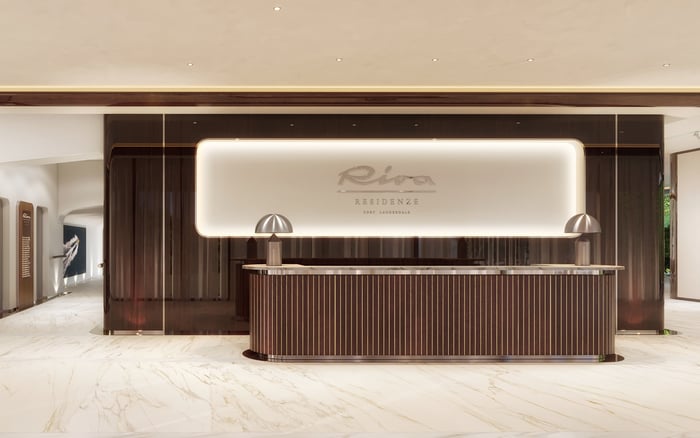
For a buyer comparing Riva Residenze Fort Lauderdale, the same privacy questions provide a consistent basis for evaluation. Do not infer either building's staffing or data practices from its positioning or amenity descriptions.
The described amenities include a rooftop pool, fitness center, coworking space, resident clubroom, and water-trolley service. Each raises questions about guests, vendors, scheduling, and access; none establishes that a particular operating risk exists.
Ask how rooftop gatherings, move-ins, repeated contractor visits, and after-hours guests will be screened and monitored. What staffing is planned overnight and on holidays? Who handles an access-system failure or a vendor arriving when the regular management team is unavailable?
Exceptions deserve written treatment. A controlled entrance is only one part of the arrival experience; procedures for unusual situations determine whether that experience remains orderly. Request escalation procedures and identify who is authorized to approve departures from normal policy.
The stated delivery target is 2026, and the project is described as under construction. That target is not evidence of completed delivery. Earlier promotional schedules referenced third-quarter 2024 and early 2025. Recent information describes 94 residences, while earlier descriptions used 100.
Resolve these differences through current approved plans, condominium documents, and written contractual representations. Counsel should distinguish a marketing target from the purchase agreement's delivery provisions and confirm which residence count governs the transaction.
For buyer diligence, assemble the declaration, bylaws, rules, management agreement, approved site and architectural plans, traffic and loading plans, parking and valet plans, access-control specifications, applicable commercial leases, and public-access easements. Treat policies that have not been provided as open questions, not implied protections.
The strongest purchase decision connects three things: what is legally permitted, what is physically planned, and what management is prepared to operate. Luxury is most persuasive when the arrival experience is as carefully resolved as the interiors.
For a discreet perspective on South Florida residences and buyer priorities, explore MILLION.
If branded residences are on your mind — as a home or as an allocation — we would be glad to share what we are seeing, privately.
Begin a quiet conversationIts marketed address is 501 SE 6th Avenue, Fort Lauderdale, Florida 33301. The project occupies a New River setting near Smoker Family Park and Rio Vista.
The available project information does not establish a complete on-site retail program. Counsel should verify permitted commercial uses through the governing documents and approvals.
No. The described resident clubroom kitchen and wine bar do not establish public restaurant or retail operations.
The stated target is 2026, not proof of completed delivery. Buyers should have counsel reconcile earlier schedules with current contractual provisions and project documents.
Recent information describes 94 residences, while earlier descriptions used 100. Current approved plans and condominium documents should resolve the discrepancy.
Elevators, lobbies, the parking garage, and resident amenities are described as having access-controlled entry points. That does not establish their staffing or screening procedures.
Ask for entry routes, loading locations, hours, vehicle limits, and queuing rules. Management should explain whether couriers or contractors can reach residential floors.
Ask whether visitor logs, camera footage, or license-plate data are collected and who can access them. Request retention, disclosure, and incident-notification policies.
The rooftop pool, fitness center, coworking space, clubroom, and water-trolley service warrant questions about access and staffing. Ask separately about gatherings and after-hours exceptions.
Request governing documents, approved plans, management and access-control materials, and traffic, loading, parking, and valet plans. Applicable commercial leases and public-access easements should also be reviewed.