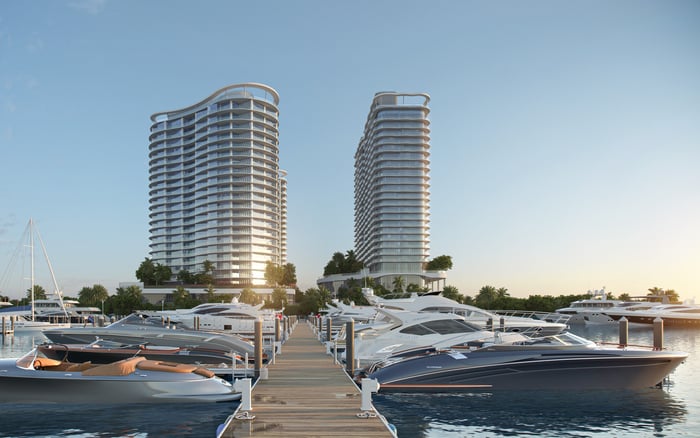
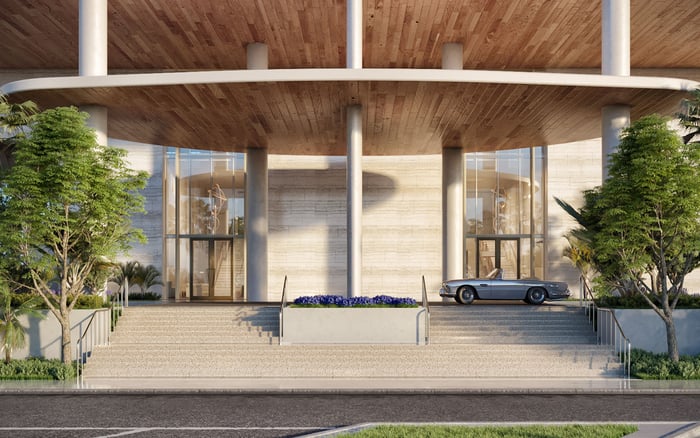
A Las Olas purchase deserves a property-specific review of flood mapping, building elevation and insurance. For condominium buyers, that means understanding where association protection ends, what individual coverage provides and which costs can remain with the owner.

For a buyer leaving Barcelona and choosing Las Olas, the next purchase should begin with fresh documents, not assumptions carried from the previous address. The appeal of waterfront living can be immediate. Understanding its obligations requires a deliberate sequence: establish the parcel’s flood designation, examine the building’s elevation and identify precisely which insurance protections belong to the association and which belong to the owner.
A prestigious address does not establish low flood exposure. Nor does an upper-floor residence settle every insurance question. In Fort Lauderdale, the essential distinction is between what the setting suggests and what the property documents establish.
Ownership structure matters just as much. Condominium master policies and HO-6 coverage belong to a condominium analysis. They should not automatically be applied to a Las Olas single-family home or its homeowners association.
Start with the exact property’s FEMA Flood Insurance Rate Map designation. Las Olas is a neighborhood reference, not a flood classification, and nearby canal-front lots can differ in elevation. Connect the parcel, the mapped zone and any applicable base flood elevation before moving to insurance quotations or renovation plans.
Zone AE properties occur in Las Olas Isles and nearby canal neighborhoods. AE identifies a 1%-annual-chance flood hazard with a calculated base flood elevation, without VE’s additional wave-action designation. It does not mean flooding is limited to one event in a century.
Zone AH describes a different condition: a 1%-annual-chance shallow-flooding hazard, generally involving ponding depths of one to three feet and established base flood elevations. Zones B, C and X fall outside the mapped 1%-annual-chance floodplain, but lower mapped risk does not eliminate the possibility of flooding.
For a condominium candidate such as Sixth & Rio Fort Lauderdale, begin with the specific building’s documentation. A project name alone establishes neither its flood zone nor its insurance terms.
Base Flood Elevation, usually shortened to BFE, represents the modeled water-surface elevation of the 1%-annual-chance flood. It is a benchmark for comparing a building’s floor elevation, not a substitute for knowing that elevation.
Request the available Elevation Certificate. Prepared by a surveyor, it documents building elevations and helps establish the finished floor’s relationship to the applicable flood benchmark. Ask a qualified professional to explain that comparison rather than relying on visual impressions of a raised entrance or surrounding streets.
For a canal-front house, review elevation alongside the intended renovation scope. Substantial improvements may trigger current elevation or flood-resistant construction requirements. A purchase that appears straightforward as an existing residence may require a different feasibility review when significant work is planned.
Ask the city to confirm the current freeboard requirement-the required elevation margin above BFE-and how it applies to the proposed work. Do not turn a general zoning summary into a parcel-specific permitting conclusion. Resolve the question before committing to a renovation budget based on the existing floor level.
For condominium buyers, “the building is insured” begins the inquiry; it does not conclude it. Association property insurance typically protects the structure and common elements. That is not the same as protection for the owner’s belongings or personal liability. The treatment of interior components also requires a close reading of the relevant policies.
Request the association’s property, windstorm and flood policies, together with deductibles and renewal information. Coastal associations may carry separate wind and flood coverage. The phrase “master insurance” does not establish that every hurricane-related loss is insured.
Apply the same document-first discipline when considering Four Seasons Hotel & Private Residences Fort Lauderdale. Review the applicable policies rather than treating branding or presentation as evidence of coverage.
An upper-floor unit does not, by itself, remove a lender’s flood-insurance requirement when the building lies in a special flood hazard area. Ask the lender what evidence it requires for the particular purchase, and have the insurance adviser assess the association’s protection alongside the proposed owner policy.
A hurricane can produce losses governed by different insurance provisions. Storm surge, rising water and overflowing canals are flood exposures. Wind-driven rain entering through a storm-created opening is a distinct loss mechanism; coverage still depends on the policy’s terms.
Standard HO-6 insurance excludes flooding. It typically provides personal-property coverage, protection for covered interior components, personal liability and loss of use, subject to limits and conditions. Separate flood protection through the National Flood Insurance Program or a private provider is generally needed for flood damage.
Have the adviser explain how the policies fit together. Ask which policy would respond to damaged belongings, covered interior finishes and temporary displacement under different causes of loss. Separate flood insurance should not be presented as a solution to every exclusion in an HO-6 contract.
Premiums are only one part of the ownership calculation. Examine association hurricane and flood deductibles alongside any separate windstorm deductible in the owner’s coverage. Ask which costs may remain with the association and which could fall to individual owners.
Association deductibles or coverage shortfalls can lead to special assessments. HO-6 loss-assessment protection may help, but it does not protect against every assessment. Its limits and covered causes of loss deserve their own review.
If St. Regis® Residences Bahia Mar Fort Lauderdale enters the shortlist, apply the same questions. The objective is to compare documented obligations consistently, not to assume that residences share equivalent insurance arrangements.
Organize the file into four groups: parcel mapping; elevation documentation; association property, wind and flood coverage where applicable; and individual-owner quotes. Include deductibles, renewal information, lender requirements and proposed effective dates. For a single-family purchase, replace the condominium insurance analysis with a review tailored to that ownership structure.
Begin flood-insurance arrangements early. NFIP coverage typically has a 30-day waiting period, although exceptions can apply. Confirm the actual effective date and any applicable exception before relying on protection at closing.
The aim is not to remove every uncertainty from waterfront ownership. It is to understand the remaining exposure before committing to the purchase. A well-chosen Las Olas residence should suit both the life the buyer intends to enjoy and the obligations the buyer is prepared to carry.
For a considered approach to your next Las Olas purchase, connect with MILLION.
If branded residences are on your mind — as a home or as an allocation — we would be glad to share what we are seeing, privately.
Begin a quiet conversationFlood designations and elevations are property-specific. A neighborhood name or waterfront address cannot establish the parcel’s mapped hazard.
Zone AE identifies a 1%-annual-chance flood hazard with a calculated base flood elevation. It does not carry VE’s additional wave-action designation.
No. Zone X lies outside the mapped 1%-annual-chance floodplain, but flooding remains possible.
It documents building elevations and helps a buyer compare the finished floor with the applicable flood benchmark. A qualified professional should explain the comparison.
Substantial improvements may trigger current elevation or flood-resistant construction requirements. Confirm how current rules apply to the property and proposed work with the city.
No. A high-floor location alone does not remove a lender’s flood-insurance requirement when the building is in a special flood hazard area.
It typically protects the structure and common elements. Buyers should separately review owner belongings, liability and the policy treatment of interior components.
No. Separate flood protection through the NFIP or a private provider is generally needed for flood damage, subject to its own terms and limits.
No. Protection depends on the policy’s limits, conditions and covered causes of loss, so association deductibles and potential shortfalls need separate review.
Start early because NFIP coverage typically has a 30-day waiting period. Confirm the effective date and any applicable exception before relying on coverage at closing.