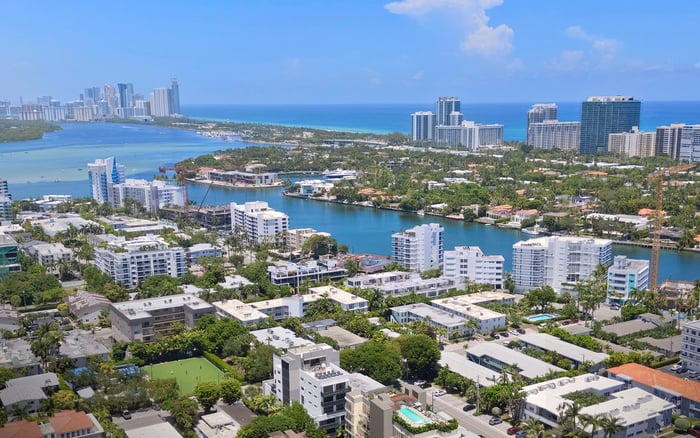
A disciplined framework for coordinating cash, portfolio lending, deposits, contingencies, and closing readiness when considering a residence at Alma Bay.

When considering a residence at Alma Bay Harbor Islands, financial planning should be as deliberate as property selection. Liquidity planning begins with a practical question: which funds must be available, in what form, and at which contractual milestone?
Unit-specific pricing, availability, deposit terms, and closing milestones require direct verification. The objective is not merely to demonstrate purchasing power, but to preserve control throughout the contract, diligence, and closing process.
Begin with the current purchase agreement and deposit schedule. Record every required payment, notice provision, funding deadline, and closing condition in a single working calendar. Because terms may be specific to the selected residence, do not build the plan on assumptions drawn from another transaction.
Assign a primary funding source to each obligation. Cash reserved for the purchase, proceeds expected from another event, and potential bank financing should not be treated as interchangeable until their timing and availability are confirmed. A prudent map also identifies a backup source and the date by which it must be activated.
A cash strategy may appear straightforward, but buyers should distinguish total wealth from transaction-ready funds. Confirm where the purchase funds are held, who controls the account, which internal approvals may apply, and how quickly the capital can be delivered when required.
Keep transaction capital separate from ongoing household, business, and investment liquidity. The purchase amount is not the only figure that warrants attention. Buyers should ask their attorney and advisers to identify applicable closing items and determine an appropriate reserve for post-closing needs rather than relying on an unverified estimate.
Cash buyers should also establish a transfer protocol with their attorney, financial institution, and closing team. Contact details and instructions warrant independent confirmation before funds move. This operational step belongs in the acquisition plan, not in the final days before closing.
Portfolio lending may merit consideration when a buyer prefers not to rely exclusively on cash. The analysis must be specific to the buyer, institution, assets involved, and transaction documents. Before treating a facility as committed capital, request written clarity from the lender regarding availability, approval steps, documentation, timing, and any conditions that could affect funding.
The essential comparison is not cash versus borrowing in the abstract. It is confirmed cash availability versus confirmed lending availability on every contractual date. Buyers should review the structure with qualified private-banking, legal, and tax advisers, including how the proposed facility fits within broader wealth planning.
A backup path remains essential. If lending is not ready by the decision deadline, the buyer should already know whether to deploy reserved cash, pursue another approved structure, or reconsider the commitment before missing a contractual obligation.
Create a single closing calendar shared with the relevant advisers. Distinguish contractual due dates from internal target dates, setting the latter early enough to resolve documentation or transfer questions. Assign responsibility for confirming the completion of each step.
Request current written confirmation of the selected residence's price, availability, deposit terms, and anticipated closing requirements. If any item changes, revise the funding map immediately. A plan left unchanged after a material development is no longer reliable.
Buyers may consider Alma Bay alongside Alana Bay Harbor Islands, Onda Bay Harbor, and La Maré Bay Harbor Islands. The purpose is not to assume equivalent pricing, specifications, schedules, or terms, but to identify which residence and transaction structure best match the buyer's intended use and capital timetable.
Obtain current documents for every project under serious consideration and compare like with like. Differences in deposit timing, financing conditions, or closing expectations can influence liquidity planning and should be verified for the specific residence.
A concise digital closing room can keep the transaction legible. Include the executed agreement, amendments, verified payment instructions, funding confirmations, adviser contacts, identity documents requested by the closing team, and a milestone tracker. Limit access to the appropriate parties.
Schedule brief status reviews before each internal target date. Confirm the amount due, approved funding source, responsible person, and any unresolved condition. By the contractual closing date, capital, documentation, and decision-makers should already be coordinated.
Should buyers assume a standard deposit schedule? No. Obtain the current purchase agreement and verify the selected residence's deposit terms directly.
Can cash and portfolio lending be combined? Buyers may explore multiple funding sources, but qualified banking, legal, and tax advisers should review the proposed structure.
When should a lender be engaged? Engage the lender before relying on financing for any contractual milestone, allowing time to confirm requirements and availability.
What should a liquidity calendar include? Include contractual payment dates, internal funding deadlines, responsible parties, backup sources, and closing requirements.
Why maintain liquidity beyond the purchase funds? A separately determined reserve can preserve flexibility for verified closing items and post-closing needs.
How should cash readiness be assessed? Confirm where the funds are held, who controls them, what approvals apply, and when they can be transferred.
What should a lender confirm in writing? Request clarity on availability, approval steps, required documentation, timing, and conditions that could affect funding.
Why use internal target dates? Earlier internal deadlines provide time to resolve documentation, approval, or transfer issues before contractual due dates.
What belongs in a digital closing room? Keep the agreement, amendments, verified instructions, funding confirmations, requested documents, adviser contacts, and milestone tracker together with controlled access.
What should be reconfirmed before closing? Reconfirm the residence's price, availability, deposit status, closing requirements, funding readiness, and verified transfer instructions.
For a discreet conversation and a curated building-by-building shortlist, connect with MILLION.
If branded residences are on your mind — as a home or as an allocation — we would be glad to share what we are seeing, privately.
Begin a quiet conversation