At Delano, the most valuable line is not necessarily the one with the broadest ocean view. Floor height, balcony geometry, solar exposure, activity below, bedroom placement, and the durability of the sightline should determine both preference and price.
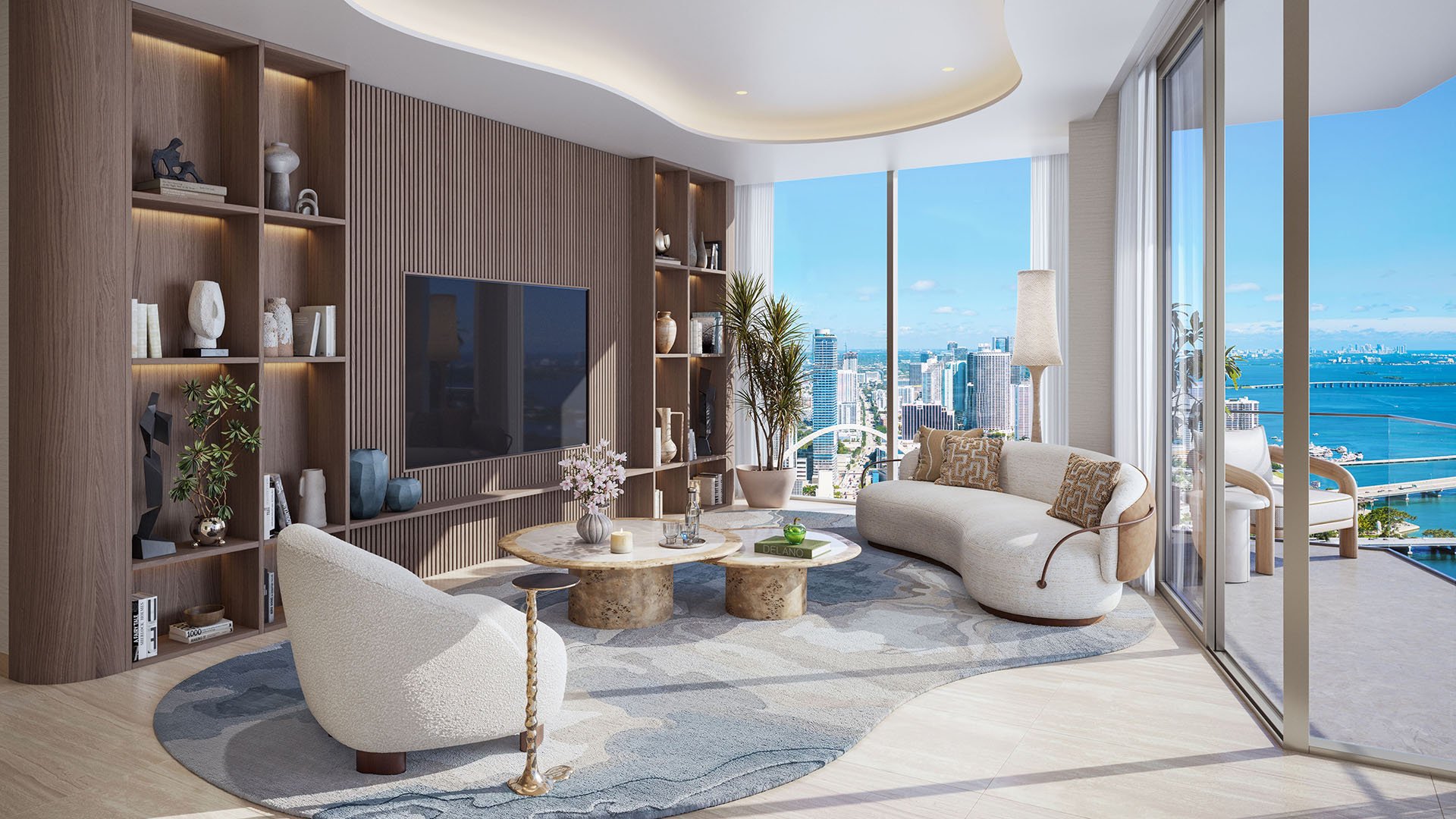
An evocative view category is only the beginning of line analysis. Marketing language can help organize the options at Delano Residences & Hotel Miami, but it cannot replace the official floor plan, stack plan, orientation, or a visit to the specific exposure under consideration.
Line selection should answer four questions: what can be seen, what can be heard, how natural light enters, and how exposed the interior feels from outside. The most photogenic outlook does not necessarily deliver the most comfortable daily experience. An offer should assign value only after the relevant physical attributes have been documented.
A view premium should reflect more than a directional label. Buyers should evaluate the visible angle from the living area, primary bedroom, and seated position on the balcony. Floor height, balcony geometry, neighboring structures, landscaping, and activity below can materially affect the experience.
Durability matters as much as immediate impact. Before paying for a sightline, request the materials available to identify existing obstructions and the context surrounding the property. If permanence cannot be established, the offer should not treat the outlook as guaranteed.
Partial-water or dual-aspect exposures may offer a useful balance when they combine a desirable outlook with better privacy, light control, or interior planning. The comparison is not simply direct water versus city; it is the quality of the entire residence at a specific price.
The same framework applies when comparing Miami Beach options such as The Perigon Miami Beach. Focus on floor-specific livability and documented exposure rather than relying on branding or a broad view category.
Noise should be tested rather than inferred from a plan. Visit at the times that resemble the buyer’s expected routine, including active daytime periods and after dark. Listen with balcony doors both open and closed, then repeat the test from the primary bedroom.
Potential sound sources should be evaluated separately. Street activity, gathering areas, building operations, service movement, mechanical equipment, and nearby venues can affect different lines in different ways. A quiet appointment at one hour does not establish conditions throughout the day.
Elevation may increase separation from activity below, but it does not guarantee quiet. Orientation, glazing, door systems, balcony configuration, and the location of sleeping spaces remain important. Buyers also comparing Setai Residences Miami Beach should apply the same realistic-hour test instead of assuming acoustic performance from view direction alone.
Compass direction is only the starting point for understanding light. Buyers should review how morning and afternoon sun may affect the living room, kitchen, bedrooms, and outdoor areas. Seasonal variation, glazing, overhangs, balcony depth, and interior shading can change comfort and usability.
A bright exposure may be attractive in an entertaining area but less desirable in a bedroom at a particular hour. Ask for a plan marked with north and review the dimensions and placement of glazing and outdoor space. Where available, solar studies and glazing specifications can help distinguish a desirable exposure from one that may require extensive light control.
The strongest line is therefore not automatically the brightest or most open. It is the one whose light pattern supports the buyer’s daily schedule without compromising comfort in key rooms.
Exterior privacy depends on elevation, setbacks, neighboring windows, balcony relationships, and sightlines from shared or public areas. Buyers should stand where they would sit, work, and sleep, then assess visibility from the most relevant surrounding vantage points.
Interior planning can mitigate a more active exterior exposure. Bedroom placement, circulation, doors, closets, and the separation between entertaining and sleeping areas all influence discretion. These elements deserve independent review even when the principal living area has a compelling panorama.
A side-facing or skyline-oriented line may suit a privacy-led buyer better than a more conspicuous exposure. The same judgment applies to Shore Club Private Collections Miami Beach: the appeal of a project and the daily performance of a specific residence are separate considerations.
The offer should identify the attributes that justify any premium. Request the official floor plan, stack designation, floor, compass orientation, balcony dimensions, bedroom exposure, glazing information, available solar materials, and disclosed obstructions. Buyers should also ask how relevant shared, service, and operating areas relate to the residence.
Avoid capitalizing an assumption. A broad category is not a substitute for residence-specific documentation, and a favorable direction is not proof of a favorable experience. If a material attribute remains uncertain, the offer strategy should reflect that uncertainty rather than price it as a confirmed advantage.
The right line is the one whose verified qualities match the buyer’s priorities. For some, that may be the broadest available water outlook; for others, it may be controlled light, quieter sleeping spaces, greater separation, or a more private balcony.
Is a particular stack automatically the best choice? No. Floor, balcony geometry, sightline, noise, privacy, and bedroom placement must be assessed together.
Should an ocean-view label command a premium? Only when the exact angle, room-by-room visibility, balcony experience, and durability of the view are documented.
Can a partial-water line offer better value? Yes. An angled or dual-aspect layout may provide a better balance of outlook, privacy, light, and price.
How should buyers assess activity near a residence? Visit when surrounding areas are active and evaluate sound and visibility from both living and sleeping spaces.
When should buyers perform an acoustic test? Test during the daytime and after dark, using hours that reflect the buyer’s expected routine.
Does a higher floor guarantee quiet? No. Elevation may increase separation, but orientation, glazing, doors, operations, and nearby sound sources remain relevant.
Why does bedroom orientation matter? A compelling living-room outlook can coexist with glare, noise, or reduced privacy in the sleeping area.
What exposure information should accompany an offer? Request the stack, floor, compass orientation, balcony dimensions, glazing details, available solar materials, and disclosed obstructions.
Are broad view categories enough to select a residence? No. They are screening tools and should be confirmed against official plans and residence-specific information.
What may suit a privacy-led buyer? A less conspicuous exposure may be preferable if its sightlines, nighttime sound, light, and interior layout perform well.
For a tailored shortlist and next-step guidance, connect with MILLION.
If branded residences are on your mind — as a home or as an allocation — we would be glad to share what we are seeing, privately.
Begin a quiet conversation