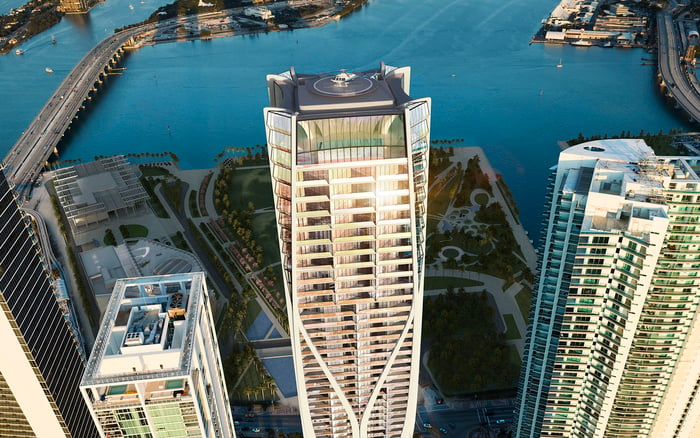
A document-led framework for comparing two Edgewater residences through flood elevation, protected mechanical systems, generator scope, and post-storm operations.
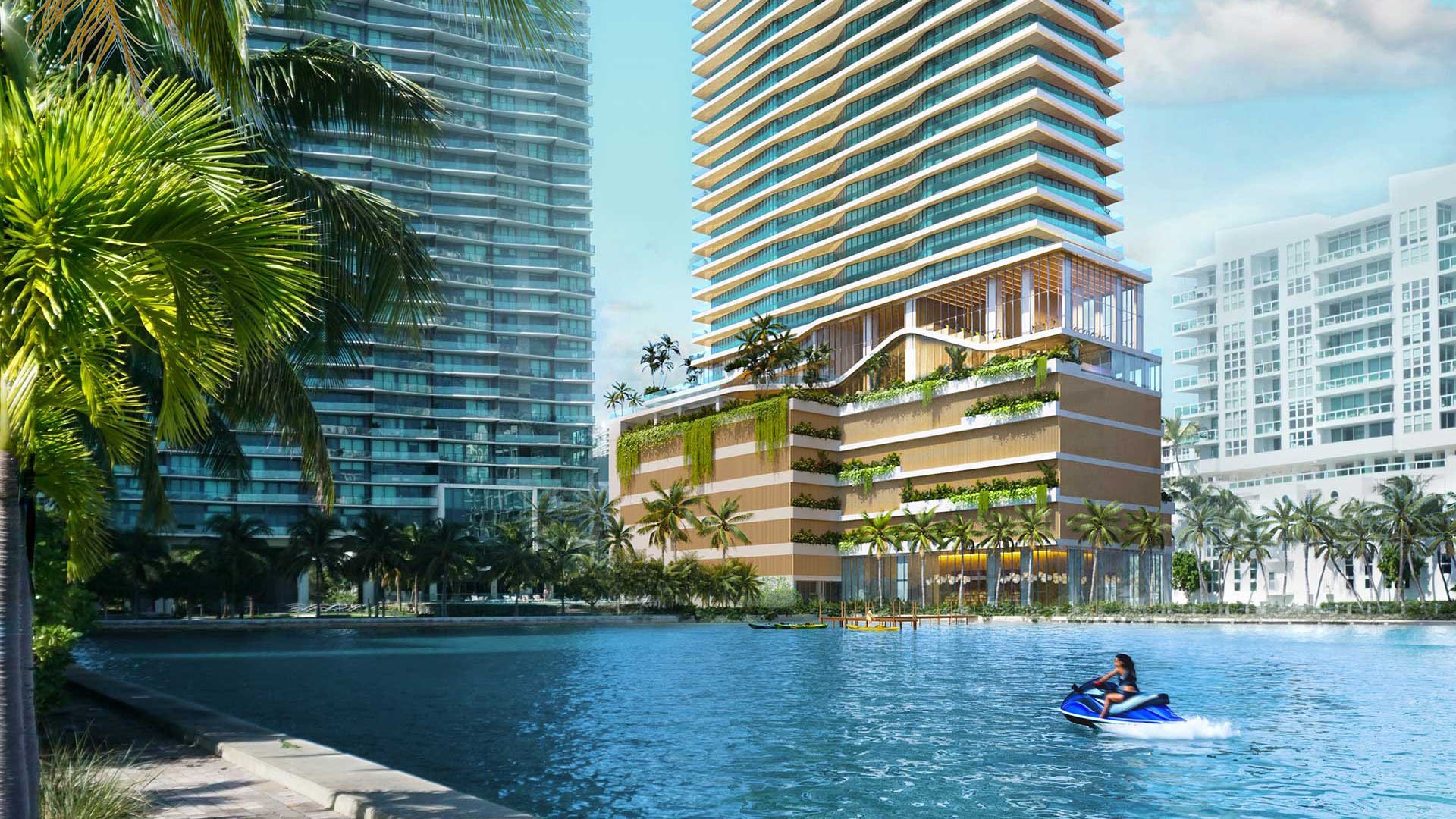
For buyers comparing Lilli Miami Edgewater with The Cove Residences Edgewater, storm resilience is best examined through written plans, specifications, and operating procedures. The central question is how each property intends to protect critical systems, maintain essential services, and manage recovery after a disruptive weather event.
A polished presentation cannot answer those questions on its own. Buyers should request project-specific documentation and avoid assuming that two residences in the same South Florida neighborhood follow identical engineering or operational strategies.
A useful review begins with the materials available for each project. Buyers can ask for flood-elevation plans, mechanical and electrical layouts, generator specifications, fuel-system information, emergency load schedules, and operating protocols. If a requested item is unavailable, that absence should be recorded rather than filled with an assumption.
The same discipline applies when considering nearby alternatives such as Aria Reserve Miami. Design, waterfront positioning, and new-project status do not establish how a building’s emergency systems will perform.
Mechanical elevation should be evaluated component by component. The review can map generators, switchgear, transfer equipment, HVAC components, pumps, controls, fuel infrastructure, and other dependencies against the elevation benchmarks identified in the project documents.
A single elevated component does not explain the protection afforded to the systems supporting it. Buyers should request a coordinated diagram showing each critical component, its stated elevation, and the benchmark used. They should also ask how exposed equipment, connections, and controls are intended to be protected.
The phrase “generator backup” is incomplete without a load schedule. Buyers should seek written identification of the services intended to remain available, their operating priority, and any stated limitations. Relevant questions may cover life-safety systems, elevators, common-area lighting, access control, domestic water pumps, drainage equipment, communications, cooling, refrigeration support, and power within residences.
A comparison with EDITION Edgewater may broaden the selection set, but the emergency-power analysis must remain specific to each building. No service should be treated as covered unless the project documents say so clearly.
Emergency power also depends on fuel arrangements, maintenance, testing, and decision-making procedures. Buyers can ask how fuel is stored and replenished, which parties are responsible for testing, how service priorities are set, and what happens if only part of the building can operate.
Operating protocols deserve equal attention. A practical review can address resident communications, security, access, elevator priority, water service, inspections, re-entry, staged restart, and the authority responsible for emergency decisions. These procedures help translate equipment specifications into an operational plan.
A written matrix creates a consistent comparison between the two projects. It can list each requested document, the stated location and elevation of critical systems, supported emergency loads, fuel assumptions, testing responsibilities, access procedures, and any unresolved questions.
The framework can also be used when reviewing Villa Miami, while keeping every conclusion tied to that project’s own materials. Legal, engineering, and insurance advisers can help buyers assess the documents within their respective areas of expertise.
The objective is not to presume uninterrupted normal operations. It is to understand what each building says it is designed to preserve, which services may be limited, and how decisions and recovery are expected to be managed.
Does either project have confirmed whole-residence backup power? The supplied information does not confirm whole-residence emergency power for either project. Buyers should seek written project-specific confirmation.
Is an elevated generator enough to establish flood resilience? No conclusion should rest on the generator alone. Connected switchgear, controls, pumps, transfer equipment, and fuel infrastructure also require review.
Why should buyers request an emergency load schedule? A load schedule can identify which systems are intended to receive emergency power and disclose operating priorities or limitations.
Should elevator backup be assumed? No. Buyers should request written confirmation of elevator coverage, priority, and any operating restrictions.
What should a mechanical-location plan include? It should identify critical equipment and controls, their stated locations and elevations, and the benchmarks used in the project documents.
Why does fuel planning matter? Generator operation depends on the documented fuel arrangement, replenishment assumptions, maintenance responsibilities, and testing plan.
Which operating procedures should buyers review? Key subjects include communications, security, access, water service, elevator priority, inspections, re-entry, and restart procedures.
Can neighborhood context replace building-level diligence? No. The review should remain focused on the plans, specifications, and procedures for the individual property.
Who can help evaluate resilience documents? Buyers may ask qualified legal, engineering, and insurance advisers to review materials within their areas of expertise.
How should Lilli Miami Edgewater and The Cove Residences Edgewater be compared? Apply the same document checklist to both projects, record unresolved items, and base conclusions only on written project-specific materials.
For a tailored shortlist and next-step guidance, connect with MILLION.
If branded residences are on your mind — as a home or as an allocation — we would be glad to share what we are seeing, privately.
Begin a quiet conversation