A practical framework for comparing large-format residences, real school-day travel, staff access, amenity placement, and multigenerational needs in Palm Beach and West Palm Beach.
A family residence should be assessed against the people and routines it must support. Before comparing Palm Beach Residences with The Berkeley Palm Beach, buyers can prepare a written program covering residents, regular visitors, remote work, pets, household staff, school trips, extracurricular activities, and multigenerational stays.
That program turns an emotional tour into a practical evaluation. Instead of asking whether a home feels large, buyers can ask whether it supports simultaneous mornings, quiet work, meal preparation, guest stays, and staff activity without avoidable conflicts.
Walk every plan as a sequence of daily movements. Trace the path from arrival to the kitchen, bedrooms, laundry, storage, and service areas. Consider whether adults, children, guests, and caregivers can move through the residence without repeatedly crossing private or quiet spaces.
Room labels should not replace dimensional review. Buyers should verify measurements, doors, windows, closets, bathroom access, privacy, and permitted use before treating a flex room as a nursery, office, staff room, or guest room. They should also test furniture placement and circulation rather than evaluating an empty outline.
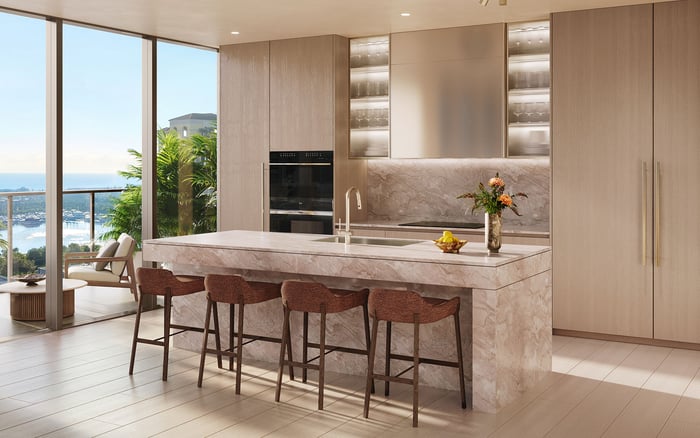
Kitchen sightlines, bedroom separation, acoustic privacy, stroller or mobility-device clearance, and accessible storage can matter more than a headline room count. A comparison with Forté on Flagler West Palm Beach can help buyers apply the same layout checklist to another residence without assuming that the buildings share plans, services, or operating rules.
A route estimate does not capture the full school routine. Buyers should test travel at the relevant weekday times and include building departure, vehicle retrieval, drop-off or pickup queues, extracurricular stops, and the return journey. Repeating the test on more than one ordinary day can reveal variability that a single trip misses.
The useful comparison is the complete loop among the residence, school, activities, workplaces, and any second pickup. Families should record elapsed time and practical friction while avoiding assumptions based only on straight-line distance.
School assignments, enrollment terms, transportation options, and pickup permissions should be confirmed directly with the responsible institutions for the exact residence and household circumstances. Buyers should not treat marketing material or informal guidance as final.
Building services do not automatically establish access for nannies, tutors, nurses, drivers, or other household personnel. Buyers should request written answers about credentials, standing authorizations, arrival procedures, parking, waiting areas, loading, deliveries, amenity access, transportation privileges, and emergency entry.
The review should distinguish resident privileges from permissions available to staff or unaccompanied family members. It should also identify who may approve access changes, how temporary authorization works, and what happens outside ordinary hours.
Pet care deserves the same attention. If a household delegates walking, grooming, feeding, or veterinary transport, it should confirm how an authorized caregiver enters and moves through the property. Touring The Ritz-Carlton Residences® West Palm Beach offers another opportunity to test the same questions while independently verifying every policy.
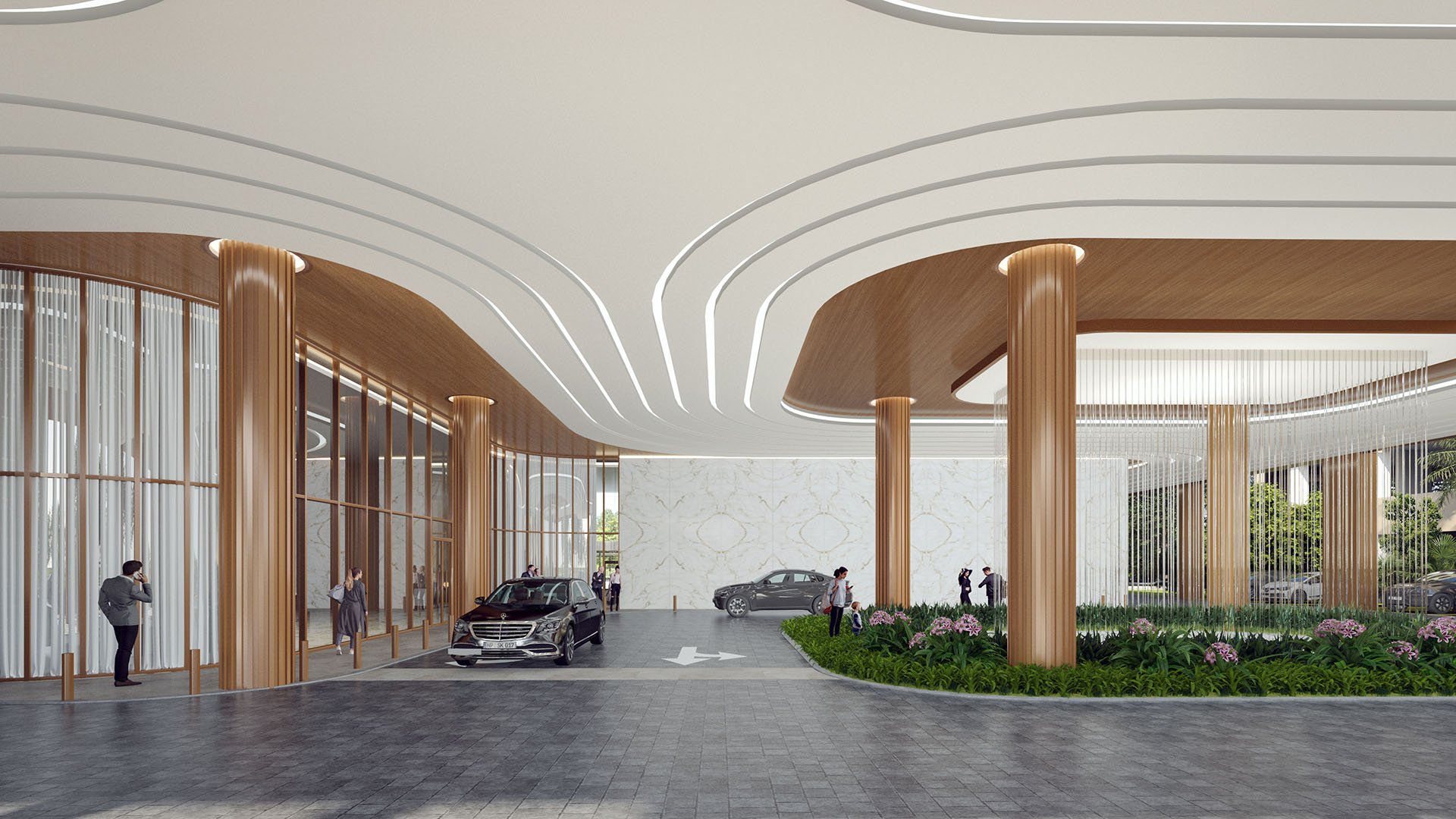
An amenity list is less informative than the effort required to use it. Buyers should trace the route from the residence to pools, play spaces, fitness areas, workspaces, lounges, pet facilities, parking, and arrival areas. Elevator changes, supervision needs, operating hours, reservation systems, guest rules, and age restrictions can shape real utility.
Unit position also deserves review. During tours, buyers can evaluate potential noise paths, proximity to elevators and service zones, and the distance children or older relatives would travel to reach frequently used spaces. For a residence under development, current plans and operating details should be requested in writing because buyers should rely on verified documents rather than assumptions.
Each property should be scored with the same household-specific criteria: layout efficiency, privacy, travel demands, staff independence, parking, deliveries, pet routines, amenity access, and flexibility for changing family needs. Weighting the categories before touring can prevent finishes or views from overshadowing daily function.
A visit to Alba West Palm Beach can broaden the comparison while keeping the method consistent. The objective is not to presume that one operating model is universally better, but to identify which verified layout, location, and rules create the least friction for the household’s actual week.
Before purchase, buyers should consolidate open questions, written responses, relevant plan details, and applicable building documents. Any unresolved issue involving room use, school logistics, caregiver access, transportation, or amenity rules should remain visible in the decision record.
What should buyers prepare before comparing the residences? Create a written household program covering residents, visitors, work, school travel, pets, staff, and multigenerational needs.
Why is bedroom count an incomplete measure of family suitability? It does not show circulation, privacy, storage, sightlines, acoustic separation, or how rooms function when several routines occur at once.
How should a flex room be evaluated? Verify its dimensions, doors, windows, closets, bathroom access, privacy, and permitted use before assigning a specific function.
What is the best way to assess a school commute? Test the complete journey at relevant weekday times, including departure, queues, activities, additional pickups, and the return trip.
Should buyers rely on informal school information? No. Assignments, enrollment terms, transportation, and pickup permissions should be confirmed with the responsible institutions.
Which caregiver rules deserve written confirmation? Confirm credentials, standing access, parking, waiting, loading, amenity use, transportation privileges, and emergency procedures.
How should buyers review pet-care logistics? Determine how an authorized caregiver would enter the property and manage walking, feeding, grooming, or transport.
Why does a residence’s position within a building matter? Its location may affect travel to amenities and exposure to elevators, service areas, or other potential noise paths.
How can buyers compare different properties fairly? Apply the same weighted checklist to every option and verify each property’s plans, services, and rules independently.
What should remain in the final decision record? Keep written responses, relevant plan details, applicable building documents, and a clear list of unresolved operational questions.
For a tailored shortlist and next-step guidance, connect with MILLION.
If branded residences are on your mind — as a home or as an allocation — we would be glad to share what we are seeing, privately.
Begin a quiet conversation