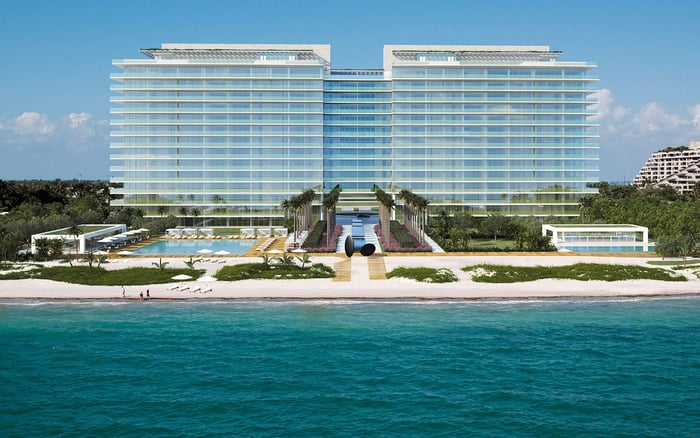
A considered move from the Hamptons to Key Biscayne begins with coordinated condominium due diligence. Align structural findings, reserve funding, insurance documentation, and contractual review before committing to a residence.
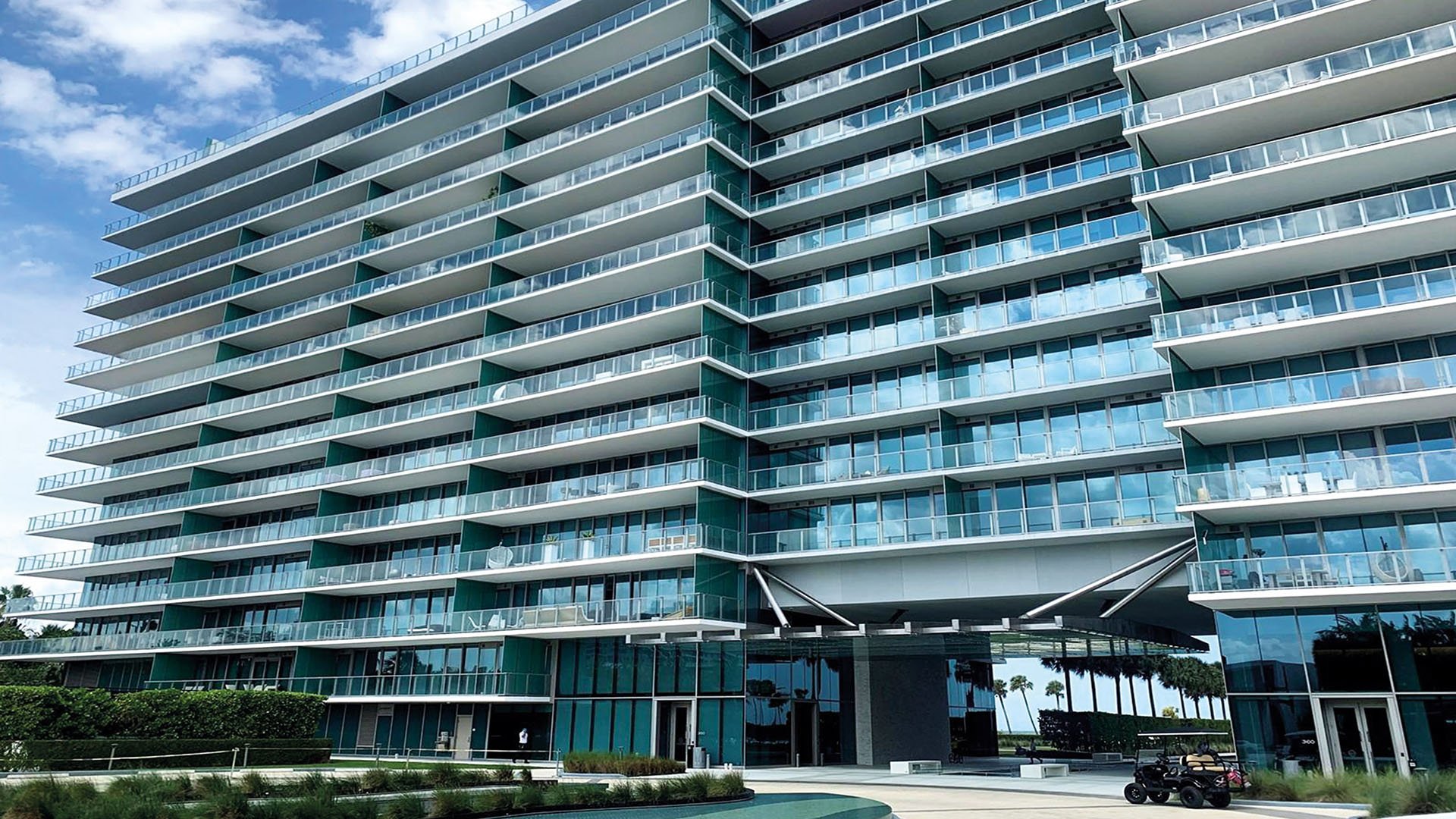
Leaving the Hamptons for Key Biscayne invites a different rhythm of home. Yet a beautifully resolved residence deserves scrutiny alongside the less visible architecture of ownership: the association’s obligations, structural work, funding plan, and insurance arrangements.
The most useful approach is not four separate checklists, but one coordinated review connecting physical condition with anticipated expenditure, available funding, and questions for the insurance adviser. A statement that a building is compliant cannot resolve all four.
For a buyer considering Oceana Key Biscayne, that review must be property-specific: request the documents applicable to the residence and its building rather than drawing conclusions from the address or presentation. A project’s inclusion here establishes nothing about its inspection status, reserve adequacy, or insurance history.
Before organizing the move, ask your attorney to map the purchase agreement’s document-delivery requirements, review periods, and available contractual protections. A recommended document request does not establish an independent statutory right to every association record or an automatic right to cancel.
Create a shared document register for counsel, the inspection professional, and the insurance adviser. For each item, record the relevant building, document date, outstanding questions, and the person responsible for resolving them. Keep documents received distinct from conclusions verified.
As a practical request package, seek the governing documents, adopted budget, reserve information, assessment notices, relevant meeting records, milestone materials, and insurance documentation. Ask counsel which materials must be delivered and how additional records can appropriately be obtained through the seller or association.
The objective is to identify unresolved questions while contractual decisions remain available-not amid closing arrangements.
Florida’s milestone-inspection requirements generally cover residential condominium and cooperative buildings with three or more habitable stories. The initial inspection is generally required in the year a building reaches 30 years, with subsequent inspections every 10 years.
Those figures are a starting point, not a building-specific determination. Coastal conditions can affect timing. Confirm the applicable deadline with the relevant local building authority rather than assuming the general rule settles the question for a Key Biscayne address.
Phase One is a visual structural assessment. Phase Two investigates substantial structural deterioration and may involve destructive or nondestructive testing. Request the complete milestone report, supporting photographs, repair recommendations, and building-official correspondence. Establish whether Phase Two was required and, if so, whether it was completed.
Then distinguish investigation from resolution. An engineer’s repair recommendation is not evidence of completed work. Request documentation of completed repairs and any outstanding follow-up, and direct technical questions to an appropriately qualified professional. Arrange a separate inspection of the individual residence; the milestone inspection does not replace it.
A Structural Integrity Reserve Study, or SIRS, is a planning tool for funding major future repairs and replacements. It is distinct from the milestone inspection: one addresses anticipated funding needs; the other assesses structural condition and safety.
Request the SIRS applicable to the particular building or tower. Examine its component inventory, remaining useful-life estimates, replacement costs, and funding recommendations. Compare those recommendations with the adopted budget and actual reserve contributions. A reserve balance alone does not measure adequacy.
If your search also includes Park Grove Coconut Grove, apply the same comparison framework without assuming the properties’ obligations are equivalent. Compare each building’s anticipated needs with its own documented funding plan, not simply one building’s headline monthly charges with another’s.
Florida law restricts waiving or reducing reserves for specified structural-integrity components, subject to statutory exceptions and permitted funding arrangements. Ask the association to explain funding departures, prior waivers, or alternative financing, and have counsel evaluate those explanations against applicable requirements.
Second-home buyers should treat insurance as a separate evidence file, then connect it to the engineering and financial review. Do not assume that a move from the Hamptons brings lower premiums, lower carrying costs, or equivalent protection.
Request current association policy documentation and available renewal materials, along with documented claims history or loss information where obtainable. Ask an insurance adviser to examine limits, deductibles, exclusions, and unresolved claims. These are diligence requests, not findings about any particular building.
For the individual residence, obtain advice on proposed HO-6 coverage and its relationship to the association’s policies. Ask specifically about flood coverage and exposure, deductible responsibilities, and potential gaps rather than presuming any item is included or excluded.
For a broader coastal search that includes 57 Ocean Miami Beach, maintain the same distinction between setting and evidence. Neither a coastal address nor a polished residence establishes the premium, claims record, or coverage available to a particular buyer.
Once the files are assembled, ask the advisers to reconcile them. If an inspection identifies required work, locate the corresponding scope, cost information, funding explanation, and completion evidence. If the SIRS anticipates replacement expenditure, establish where that expenditure appears in the budget or funding plan.
For insurance, ask whether the documented condition and any outstanding work require clarification from the adviser or insurer. Do not infer an underwriting outcome from the engineering file alone. Nor should insurance documentation be treated as confirmation that structural recommendations have been satisfied.
Associations may coordinate milestone inspections and SIRS work in qualifying circumstances, but coordination does not remove the applicable statutory completion deadline. Have counsel confirm the requirements for the particular association rather than applying a transition date universally.
Where documents conflict, request a written explanation. Where work remains open, distinguish what is recommended, authorized, funded, underway, and documented as complete. Each represents a different stage of progress.
Before committing, prepare a short decision memorandum with your advisers covering confirmed obligations, unresolved questions, anticipated expenditure, and any contractual response counsel recommends. Request an updated status of material open items before closing rather than treating the first document package as the final picture.
The aspiration is straightforward: a residence whose ownership commitments are as carefully understood as its rooms and views. For a Hamptons-to-Key Biscayne move, that means evaluating the chosen building on its own evidence, without assuming a favorable comparison in taxes, insurance, or condominium carrying costs.
For a considered approach to your South Florida residential search, explore MILLION.
If branded residences are on your mind — as a home or as an allocation — we would be glad to share what we are seeing, privately.
Begin a quiet conversationThe requirements generally cover residential condominium and cooperative buildings with three or more habitable stories. Confirm applicability for the specific building.
It is generally required in the year the building reaches 30 years, followed by inspections every 10 years. Coastal conditions can affect timing, so confirm the building-specific deadline locally.
Phase One is a visual structural assessment. Phase Two investigates substantial structural deterioration and may involve destructive or nondestructive testing.
No. A milestone inspection evaluates structural condition and safety, while the buyer should arrange a separate inspection of the residence.
Request the complete report, supporting photographs, repair recommendations, and building-official correspondence. Establish whether required Phase Two work and subsequent repairs were completed.
A Structural Integrity Reserve Study plans funding for major future repairs and replacements. A milestone inspection assesses structural condition and safety.
Not by itself. Compare the applicable SIRS recommendations with the adopted budget and actual reserve contributions.
Florida law restricts waiving or reducing reserves for specified structural-integrity components, subject to statutory exceptions and permitted funding arrangements. Have counsel review any proposed explanation or departure.
Request association policy documentation, available renewal materials, and documented claims or loss information where obtainable. Ask an adviser to evaluate deductibles, exclusions, flood questions, and proposed HO-6 coverage.
No automatic cancellation right follows from the checklist. Counsel should establish the applicable delivery obligations, review periods, access arrangements, and contractual protections.