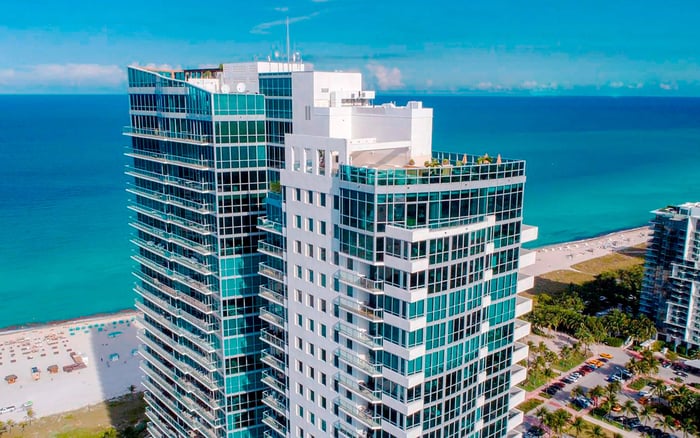
A disciplined Miami Beach purchase plan compares insurance terms in cash, reviews condominium assessment exposure, and coordinates coverage, occupancy, closing, and move-in timing.

For a buyer leaving Melbourne, a Miami Beach acquisition should be evaluated through more than design, views, and amenities. The residence’s insurance terms, condominium finances, intended occupancy, closing schedule, and move-in plan all merit review before contractual deadlines pass.
A quoted premium is only one part of the comparison. Ask each insurance professional to identify the applicable insured limits, deductibles in dollar terms, covered events, exclusions, occupancy conditions, flood arrangements, and loss-assessment protection. The resulting file should make competing options easier to evaluate on consistent terms.
Convert every quoted deductible into a potential cash obligation. Do not assume that two policies use the same deductible basis, event definition, or coverage trigger simply because their premiums appear similar.
A practical comparison table can place insured limits, deductible amounts, coverage descriptions, exclusions, flood provisions, occupancy representations, and loss-assessment terms side by side. Any unclear language should be resolved with the appropriate insurance and legal professionals before the policy is selected.
A condominium purchase calls for review of both the association’s insurance documents and the coverage proposed for the individual residence. Request the current master-policy information, deductible details, reserve information, governing documents, and any materials addressing how an uninsured obligation or deductible may be allocated.
For the residence policy, confirm which interiors, personal property, liability exposures, temporary living costs, and assessments are covered. Coverage descriptions and exclusions should be checked against the association documents rather than considered in isolation.
The goal is to understand how a building-level obligation could affect the owner and whether the individual policy would respond. Because the answer depends on the governing documents and policy language, a simple division among residences should not be treated as a substitute for document review.
Coverage should be arranged to align with the transfer of ownership and the intended move-in schedule. Confirm effective dates, outstanding underwriting requirements, flood-insurance timing, and whether the residence will be occupied immediately, used seasonally, or remain vacant during the relocation.
The occupancy description supplied to an insurer should match the buyer’s actual plan. If construction, furnishing, or delayed possession could alter that plan, raise the issue before closing and obtain confirmation of how the policy will treat the residence.
Hurricane-season planning should also include practical closing considerations. Confirm building access, delivery arrangements, emergency procedures, and the liquidity available if weather affects the move or produces an insured loss shortly after ownership begins.
The same diligence framework can be used across a Miami Beach search while keeping every building’s records separate. A buyer comparing The Perigon Miami Beach, Shore Club Private Collections Miami Beach, and The Ritz-Carlton Residences® Miami Beach should request and assess the relevant documents for each property.
Architecture, service, and waterfront setting may shape the shortlist, but they do not replace residence-specific quotes or association-level review. Keep the comparison focused on the same categories so that differences in policy wording, deductibles, reserves, and occupancy requirements remain visible.
Establish a dedicated reserve based on the deductible amounts shown in the proposed policies and a carefully reviewed assessment scenario. The amount should be tailored to the chosen residence, association documents, insurance structure, closing costs, and move-in plan rather than derived from a generic assumption.
The final pre-contract file should bring together quote documents, deductible amounts, coverage terms, flood timing, occupancy classification, association insurance information, reserve materials, and assessment provisions. This creates a clearer basis for comparing residences and planning the move.
Why compare deductible amounts instead of premium alone? The deductible shows the buyer’s potential cash obligation, while the premium reflects only the cost of maintaining coverage.
What should an insurance quote comparison include? Include insured limits, deductible amounts, covered events, exclusions, flood provisions, occupancy terms, and loss-assessment protection.
Why review the condominium association’s insurance? The association’s policy, deductibles, reserves, and allocation provisions can affect an owner’s potential exposure.
Is the residence policy enough for a condominium purchase? No single document provides the full picture; review the residence policy alongside the association’s insurance and governing materials.
How should a potential assessment be evaluated? Use the association documents, insurance details, reserve information, and professional advice rather than assuming an equal allocation.
When should coverage become effective? Coordinate the effective date with the transfer of ownership and confirm all requirements before closing.
Why does occupancy classification matter? The policy should reflect whether the residence will be occupied immediately, used seasonally, or vacant during the move.
When should flood coverage be discussed? Address it early enough to understand effective dates, underwriting requirements, and any effect on closing or occupancy.
What belongs in a hurricane-season move-in plan? Review coverage timing, building access, delivery arrangements, emergency procedures, and available liquidity.
Should every shortlisted building use the same review process? Yes. Apply consistent categories while evaluating each residence and association through its own documents and quotes.
For a confidential assessment and a building-by-building shortlist, connect with MILLION.
If branded residences are on your mind — as a home or as an allocation — we would be glad to share what we are seeing, privately.
Begin a quiet conversation