Bal Harbour can serve as a composed South Florida base when the residence, airport plan, driver brief, and event-day fallbacks are selected as one operating system.
Leaving Beverly Hills for Bal Harbour is more than an exchange of one prestigious address for another. For a household organized around Formula 1, yacht previews, owner meetings, and private aviation, the more consequential question is how the residence performs when South Florida’s roads come under event pressure.
The St. Regis Bal Harbour Resort at 9703 Collins Avenue provides a practical geographic benchmark. Miami International Airport is approximately 16 miles away, but mileage should never be mistaken for a guaranteed transfer time. The location’s value lies in combining a composed oceanfront setting with distinct plans for the Miami Grand Prix, the Miami Beach boat show, and FLIBS in Fort Lauderdale.
The successful residence is not merely beautiful; it is operationally prepared.
This is a lifestyle decision with a logistical dimension. Waterfront outlooks and marina access may matter to the buyer, but so do discreet vehicle staging, dependable staff coordination, and the ability to change routes without disrupting the day.
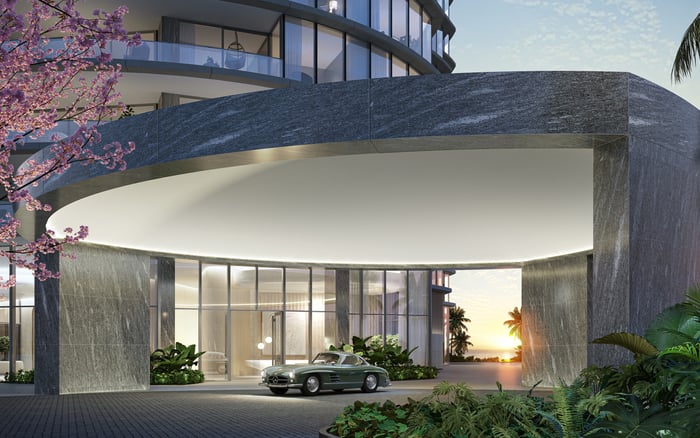
A Bal Harbour search should begin with movement patterns rather than finishes. How many principals travel together? Will guests arrive commercially through MIA or privately through an executive airport? Does the household require a waiting vehicle, a luggage vehicle, or simultaneous departures for different events? The answers shape the value of arrival design, parking arrangements, service access, and management protocols.
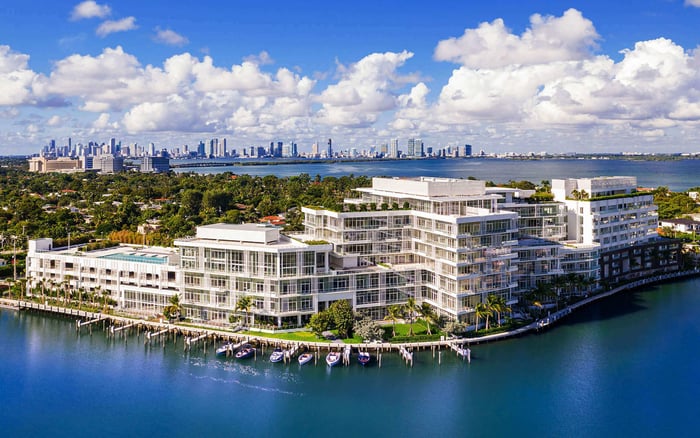
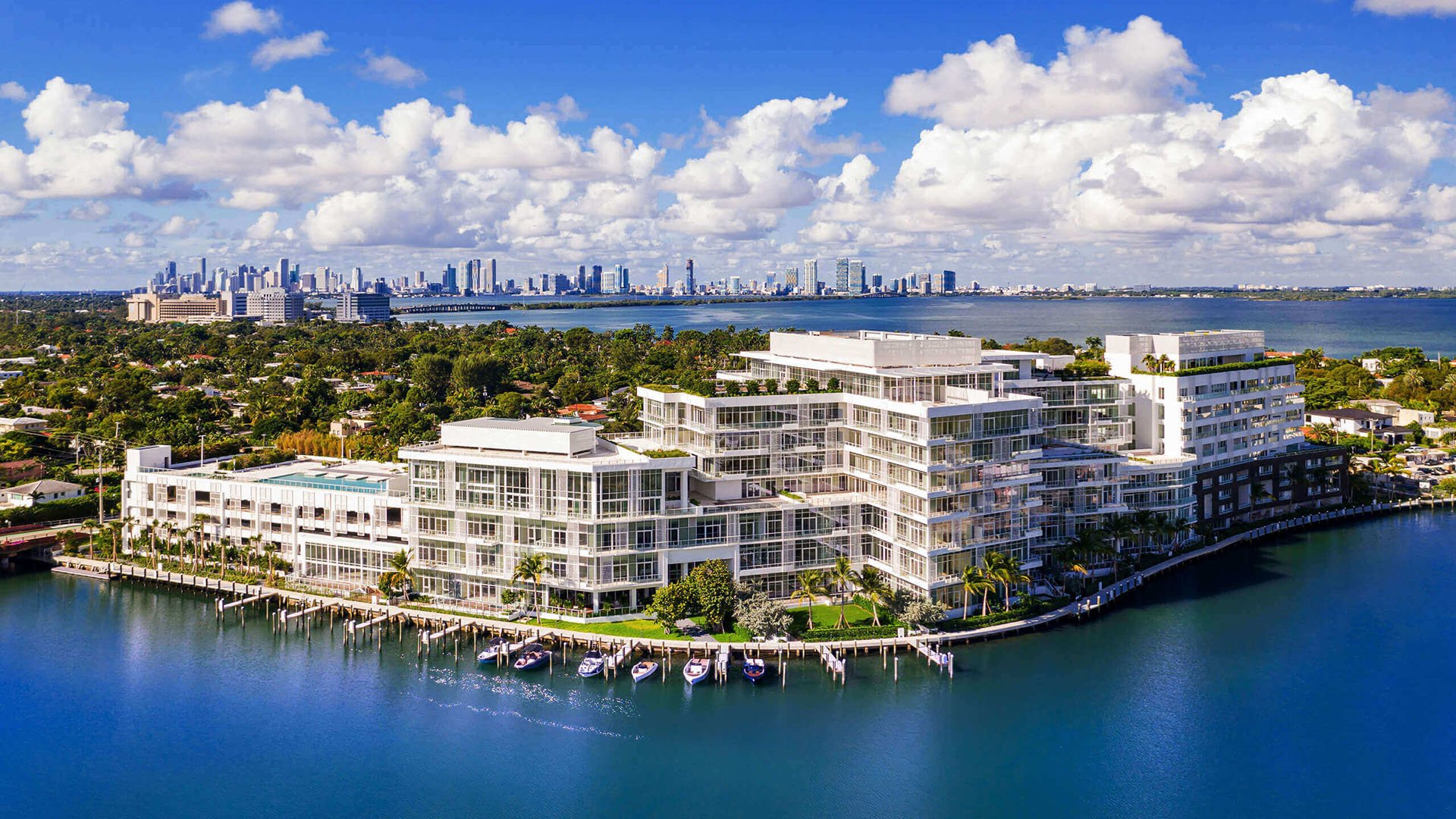
Buyers weighing new oceanfront options can include Rivage Bal Harbour in the comparison, while those considering an established local address may review Oceana Bal Harbour. The objective is not to select by name alone, but to test each possibility against the household’s operating brief, including vehicle capacity, guest handling, staff access, and event-week security procedures.
The search can also extend just south to Surfside. The Surf Club Four Seasons Surfside offers another point of comparison for buyers deciding how closely they wish to remain centered on Bal Harbour. Each residence should be evaluated through the same lens: calm daily living, clean arrivals, and resilience when Collins Avenue or connecting routes become busy.
For Formula 1 weekends, airport selection should be determined in relation to Hard Rock Stadium, not solely to the residence. Miami-Opa Locka Executive Airport, or OPF, is the closest airport to the stadium, with an estimated transfer of about 10 minutes under normal conditions. That estimate is a planning reference, not an event-day promise. Closures, traffic, security controls, and designated access points can materially alter the journey.
MIA remains the major-airport alternative, approximately 16 miles from the Bal Harbour benchmark. A sophisticated plan can therefore assign airports by mission: OPF for track-oriented private movements, and MIA for commercial arrivals or itineraries requiring a major gateway. Neither choice removes the need for a protected schedule.
Grand Prix visitors may reach Miami International Autodrome by driving, shuttle, or ride-share and taxi. A private driver remains useful, but the household office should confirm whether a chauffeured vehicle can reach the intended drop-off point and where it may wait. The departure window should account for route controls, credential checks, and a final walking or shuttle segment.
The Miami Beach event requires its own routing sheet. The 2026 traffic plan kept Collins Avenue free of the lane closures used in earlier years, while Convention Center Drive was scheduled to close from 18th Street to Dade Boulevard. That combination favors precise drop-off instructions over a vague request for the convention center.
Bridge conditions merit equal attention. During the 2025 show, the East Venetian Causeway drawbridge was temporarily restricted during afternoon and evening show hours to accommodate heavy traffic. Because annual controls can change, the driver should reconfirm bridge restrictions, curb access, and the final pickup location shortly before departure.
For a Bal Harbour household, this route should remain separate from the Formula 1 brief. The destination, traffic controls, and fallback options differ. A dedicated Miami Beach plan prevents outdated instructions from migrating from one event to another.
FLIBS in Fort Lauderdale introduces a longer northbound journey and a more fragmented venue environment. Delays are a recurring concern on the barrier island and along Las Olas Boulevard, with heavy traffic near Bahia Mar, Las Olas Marina, the Broward County Convention Center, and Pier Sixty-Six. Historically difficult corridors include A1A between SE 17th Street and Las Olas Boulevard, as well as East Sunrise Boulevard between NE 20th Avenue and Bayview Drive.
The right response is not simply to leave earlier. It is to establish a fixed departure, a primary transfer point, and a change of mode before the final marina approach. During the show, water taxis have connected parking areas with venues, generally operating from one hour before opening until one hour after closing and approximately every 15 minutes during show hours. Complimentary buses have also operated between principal venues from 8:30 a.m. to 8:30 p.m. Thursday through Saturday and until 7:30 p.m. Sunday.
Those schedules are useful precedents, but they must be reconfirmed for the relevant year. A driver can deliver guests to a practical parking or transfer area, remain outside the most congested waterfront pocket, and retrieve them from a pre-agreed fallback point. Buyers anticipating sustained Fort Lauderdale engagement may also compare a local, event-adjacent option such as St. Regis® Residences Bahia Mar Fort Lauderdale as part of a broader multi-residence strategy, without assuming that proximity eliminates traffic controls.
A useful driver brief is concise enough to execute under pressure. It should identify the principal’s required arrival time, planned departure, approved vehicle, primary route, alternate route, credential or access requirement, and two pickup points. One should serve the intended exit; the other should sit beyond the immediate closure or congestion zone.
The driver and household manager should also agree on a communication threshold. If a closure, bridge restriction, or queue threatens the protected arrival time, the plan should change before the vehicle enters the bottleneck. For FLIBS, that may mean transferring to a water taxi or shuttle. For F1, it may mean using an official shuttle or completing the final portion from an authorized location.
Annual traffic plans, transit hours, and security rules can change. The final check should occur close to each event, with the residence team holding the latest routing sheet rather than relying on last season’s successful journey.
Bal Harbour works best for this buyer when serenity at home is matched by disciplined movement beyond it. The residence should support controlled arrivals and staff coordination; the airport strategy should distinguish track access from commercial convenience; and each event should have its own driver plan.
The result is not a promise of effortless traffic. It is a system designed to absorb uncertainty through time buffers, alternate modes, and clear authority to reroute. That is the difference between owning an elegant South Florida home and operating it as a genuinely capable base.
For discreet guidance on selecting and operating the right South Florida residence, connect with MILLION.
If branded residences are on your mind — as a home or as an allocation — we would be glad to share what we are seeing, privately.
Begin a quiet conversationBal Harbour offers a composed residential setting from which a household can maintain separate plans for Formula 1, the Miami Beach boat show, and FLIBS.
Miami International Airport is approximately 16 miles from the St. Regis Bal Harbour benchmark. The figure is a distance reference, not a guaranteed drive time.
Miami-Opa Locka Executive Airport is identified as the closest airport, with an estimated transfer of about 10 minutes under normal conditions.
It is useful only as an off-event benchmark. Closures, traffic, security controls, and designated access points may extend the journey.
Visitors may reach the circuit by driving, shuttle, or ride-share and taxi. Access details should be reconfirmed before the event.
No. Formula 1, the Miami Beach boat show, and FLIBS involve different destinations, restrictions, and fallback options.
The plan stated that Collins Avenue would not have earlier lane closures, while Convention Center Drive would close from 18th Street to Dade Boulevard.
Water taxis connect parking areas with show sites and have operated approximately every 15 minutes during show hours, reducing reliance on marina-adjacent drop-offs.
Pressure has been identified near Bahia Mar, Las Olas Marina, the Broward County Convention Center, and Pier Sixty-Six, as well as portions of A1A and East Sunrise Boulevard.
It should specify the arrival target, departure time, vehicle, primary and alternate routes, access requirements, and two agreed pickup points.