For Atherton owners establishing a South Florida principal residence, title is not a back-office detail. Personal ownership is the clearest homestead path, a carefully drafted trust can add estate-planning utility, and an LLC is generally better reserved for non-homestead property.
For an Atherton owner relocating to South Florida, the first question is not whether a trust or entity appears more sophisticated. It is whether the property will become a genuine permanent residence. Florida homestead eligibility begins with that use, together with qualifying legal or beneficial title in equity as of January 1 of the relevant tax year.
A qualifying homestead may reduce taxable value by as much as $50,000. Yet the exemption is only one part of the planning landscape. Florida's property-tax exemption, constitutional protection from forced sale, and restrictions involving devise or descent are related but distinct regimes. A structure that preserves one result does not automatically secure the others.
This buyer's guide therefore begins with intent. A principal home, second home, and investment property may call for different ownership choices, even when all three sit within the same family balance sheet.
The most elegant ownership structure is the one that matches the home's actual use.
The practical order is straightforward: determine the property's use, identify the intended homestead claimant, select the ownership form, coordinate the deed and planning documents, and confirm the county filing process. Homestead applications and supporting records go to the property appraiser in the county where the residence is located, and that office makes the parcel-specific eligibility decision.
For a move timed around year-end, January 1 is pivotal. The South Florida home must be established as the owner's genuine permanent residence by that date to qualify for that tax year. Common supporting evidence includes a Florida driver's license, voter registration, vehicle registration, and other records that consistently reflect the claimed domicile.
Homestead qualification alone is not a complete California domicile-exit strategy. Continuing California ties and tax-residency facts require separate professional review. The ownership decision should fit within that broader transition rather than stand in for it.
Personal ownership offers the most direct route to satisfying Florida's legal-title requirement. For an owner who expects to occupy the home as a permanent residence and claim homestead, that simplicity is consequential. The deed, resident, and applicant are readily aligned, reducing the number of documents needed to establish a present ownership and occupancy right.
That does not make personal title universally superior. Estate planning, marital considerations, privacy objectives, financing, and succession may influence the final form. But complexity should answer an identified need, not be added merely because the residence is valuable.
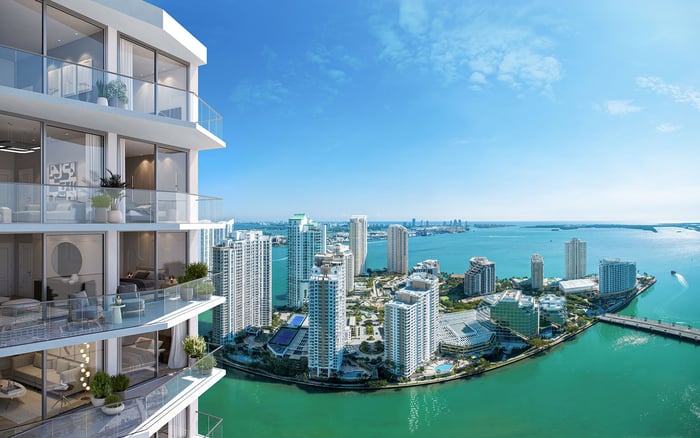
In Brickell, a buyer considering The Residences at 1428 Brickell as a principal residence should settle the title strategy before execution and closing, rather than treat it as a later administrative choice.
Transferring a Florida residence to a trust does not necessarily eliminate homestead eligibility. A properly drafted revocable living trust can hold a primary residence while preserving eligibility for a resident settlor-beneficiary, provided the deed and trust operate together.
Substance is decisive. The resident should retain qualifying legal or beneficial title and an express, present right to possess, use, and occupy the home. Beneficiary status alone may be insufficient when no present possessory right exists. Qualification generally requires beneficial or equitable title for life in the trust-owned property.
Irrevocable trusts can qualify in limited circumstances, and a Florida land trust may also work when its terms provide the required rights. Neither label is a safe harbor. Before acquisition or retitling, counsel should review the trust language against the intended resident's rights and the applicable county's filing expectations.
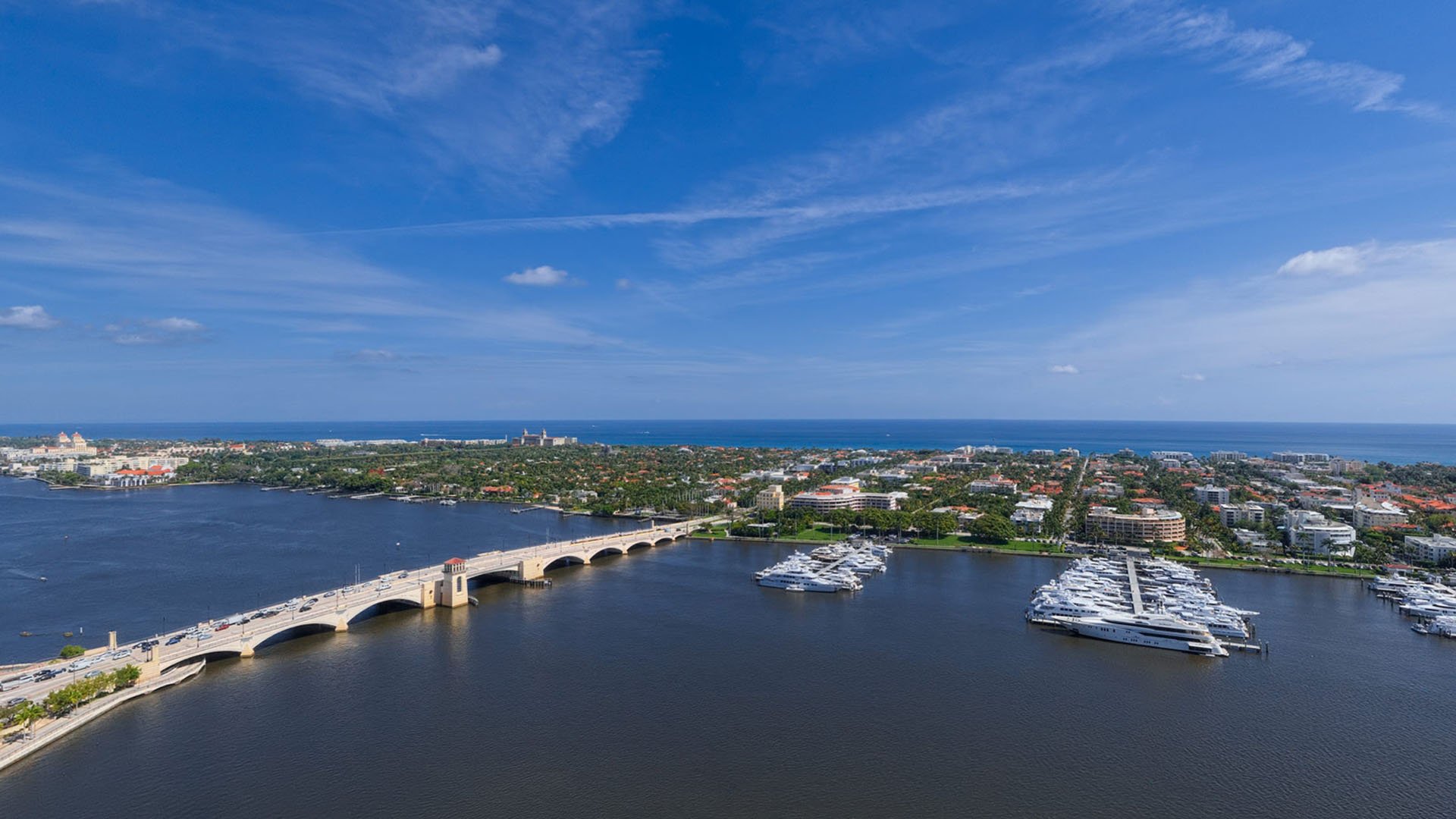
This distinction matters across very different markets. A family evaluating The Perigon Miami Beach may prioritize a trust for succession planning while still requiring the present occupancy provisions needed for a homestead claim. In Palm Beach County, a purchaser considering The Ritz-Carlton Residences® West Palm Beach should likewise confirm both the document language and local filing instructions.
An LLC is generally a poor titleholder for a home intended to receive Florida homestead treatment. Property titled to an LLC does not qualify because the entity is not among the qualifying ownership forms. A single-member LLC does not resolve that problem merely because one individual controls it.
Entity ownership is more defensible for a vacation residence or income-producing property that will not be claimed as the owner's permanent Florida home. It may serve a broader asset-management plan, but those potential objectives should be weighed against the loss of the expected homestead path.
The distinction is especially important for households purchasing several residences at once. The primary home might be held personally or through a qualifying revocable trust, while a separate non-homestead asset receives entity treatment. Different properties do not require identical wrappers.
South Florida is not a single filing jurisdiction. Miami-Dade, Broward, and Palm Beach property appraisers each administer applications for properties in their counties. The governing principles may be statewide, but document requests and parcel decisions are local.
A household comparing an urban home with a quieter coastal base should not let geography obscure the title question. For example, Four Seasons Residences Coconut Grove and a residence in Miami Beach both sit within Miami-Dade, while a Broward acquisition follows that county's process. Location determines the reviewing office, not whether generic trust wording is adequate.
The cleanest plan is established before the deed is prepared. If a trust will own the residence, its occupancy provisions should be reviewed before closing. If personal ownership is selected, any later retitling should not occur casually.
A transfer by deed can raise documentary stamp tax questions separate from homestead eligibility. Florida also has transaction-specific provisions, including rules for certain transfers of homestead property between spouses. Any post-closing change should therefore coordinate the deed, trust terms, title insurance, property-tax filing, and documentary stamp analysis.
A disciplined pre-closing conference should address:
Whether the property will be the permanent residence by January 1
Who will claim homestead and what title that person will hold
Whether the trust terms grant a present right to possess, use, and occupy
Whether the county property appraiser requires additional trust materials
Whether financing, insurance, or transfer taxes affect the proposed structure
For most Atherton owners establishing a South Florida principal residence, the practical default is personal ownership or a properly drafted revocable trust. Personal title favors clarity. Trust title can add probate and succession planning without necessarily sacrificing homestead eligibility, but only when the deed and operative language are coordinated. LLC title generally belongs with non-homestead assets.
The decision should be completed alongside Florida domicile planning and a separate review of California ties. When use, title, timing, and documents tell the same story, the residence strategy becomes both more legible and more durable.
For discreet guidance on selecting a South Florida residence that fits your ownership strategy, connect with MILLION.
If branded residences are on your mind — as a home or as an allocation — we would be glad to share what we are seeing, privately.
Begin a quiet conversationPersonal ownership generally offers the most direct route to Florida's legal-title requirement for homestead eligibility.
Yes, if the deed and trust are properly coordinated and the resident retains qualifying title plus a present right to use and occupy the home.
Not necessarily. The resident generally needs a present possessory right rather than beneficiary status without current occupancy rights.
It can in limited circumstances when the resident beneficiary receives a present possessory right and the arrangement meets Florida requirements.
Potentially, but eligibility depends on the trust's actual terms and the resident's beneficial title, not the land-trust label.
Generally no. LLC title is a poor fit for a residence intended to receive homestead treatment, even when the LLC has one owner.
LLC ownership is more defensible for an investment or vacation property that will not be claimed as the owner's permanent Florida residence.
The owner must establish the South Florida property as a genuine permanent residence by January 1 to qualify for that tax year's exemption.
The property appraiser in the county where the residence is located reviews the application and determines parcel-specific eligibility.
Yes. Retitling should be coordinated with the deed, trust terms, title insurance, property-tax filing and any documentary stamp tax analysis.