Leasing is permitted at Residences by Armani/Casa, but public building guidance points to a six-month minimum term and no more than two leases per year. For second-home buyers, that framework favors stable, long-term tenancy over short seasonal income. Careful review of current association documents, approval procedures, fees, and unit-level carrying costs is essential before closing.
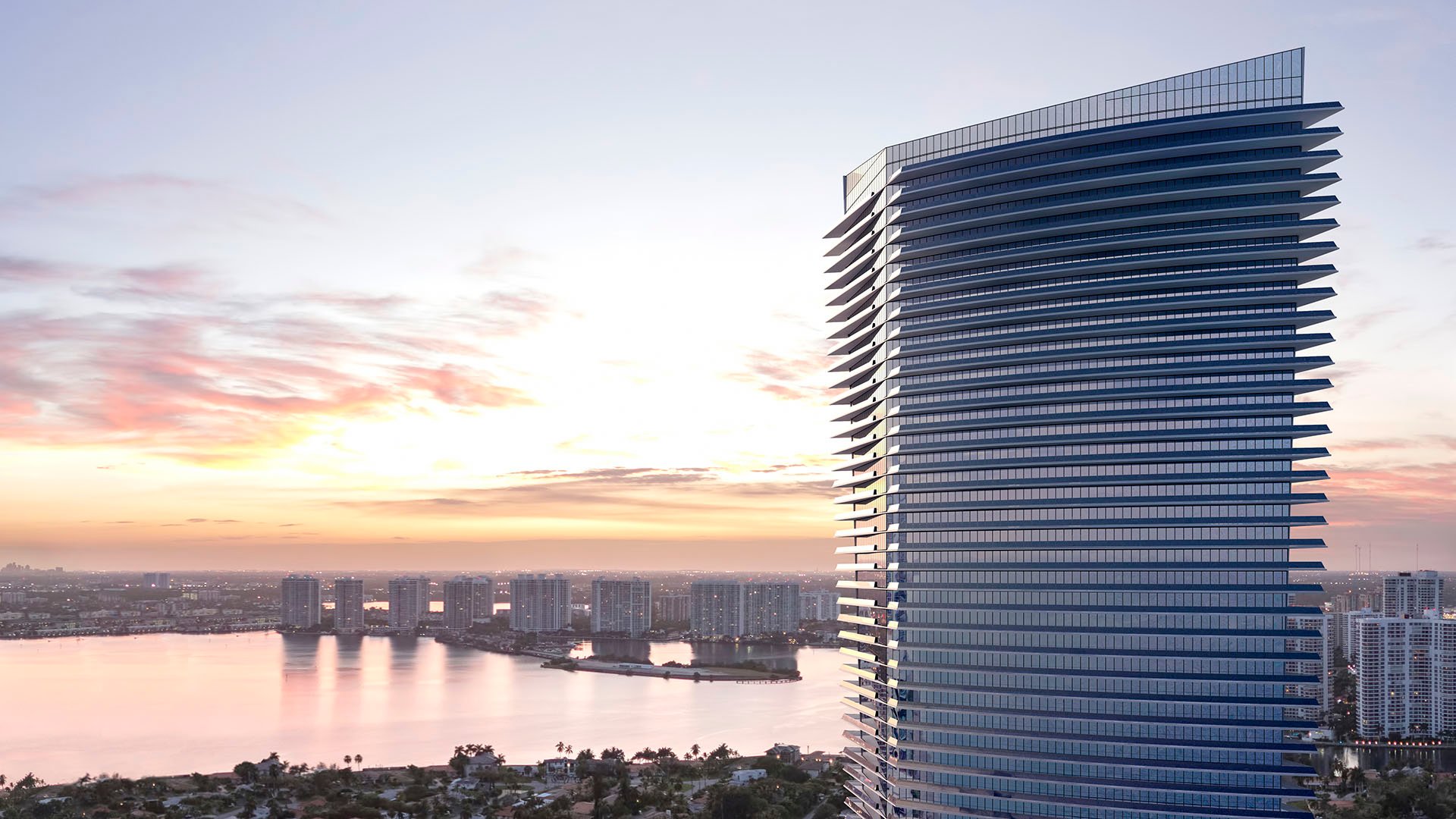
For a buyer considering Armani Casa Sunny Isles Beach as a seasonal residence, the first question is not simply whether rentals are allowed. It is what kind of rental activity the condominium permits, how often a home may be leased, and whether a formal leaseback structure exists.
Owners may lease after purchase, subject to the condominium association’s restrictions. The stated framework sets a six-month minimum lease term and a limit of two leases per year. In practical terms, this favors long-term rentals over nightly, weekly, or short seasonal stays.
A leaseback is different. The term generally implies an arranged program in which a developer, operator, or related party leases or manages a residence under defined terms. No verified developer-sponsored leaseback or hotel rental-pool program has been identified for the property. Buyers should therefore avoid assuming that ordinary leasing rights amount to guaranteed occupancy, managed income, or a contractual return. Any representation of that nature should be confirmed in writing with the seller and association.
A six-month minimum can work elegantly for an owner who occupies the residence for part of the year and leases it to a single tenant for the balance. It is less compatible with several personal visits interspersed with short, revenue-producing stays.
The two-leases-per-year limit reinforces that distinction. Although two six-month leases could theoretically cover a full year, each tenancy remains subject to current association procedures and any applicable approvals or charges. Vacancies, preparation time, brokerage expenses, and personal-use windows can also reduce the period during which rent is collected.
For a second-home strategy, calendar design matters. A buyer who expects winter occupancy may need a tenant whose lease aligns precisely with the owner’s preferred dates. A buyer whose schedule changes frequently may find the minimum term restrictive. The residence can participate in the long-term leasing market, but it should not be underwritten as a flexible short-stay asset.
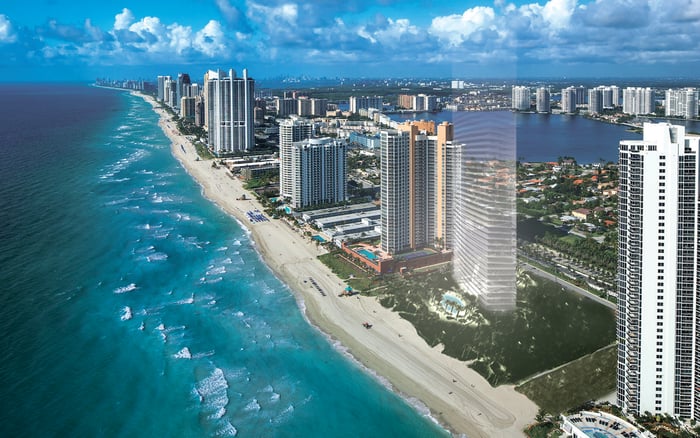
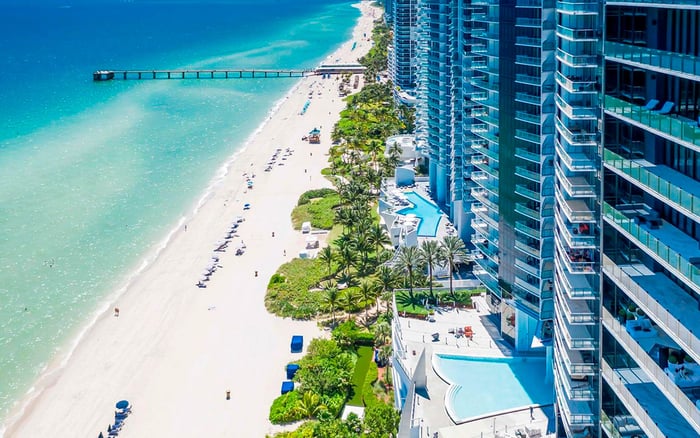
Residences by Armani/Casa is a 308-unit luxury condominium at 18975 Collins Avenue, placing it within the oceanfront residential corridor of Sunny Isles Beach. Its address, design identity, and long-term rental orientation may appeal to owners who value a more residential pattern of occupancy.
Rental policies should nevertheless be compared directly, not inferred from branding or location. Nearby options such as Bentley Residences Sunny Isles, The Ritz-Carlton Residences® Sunny Isles, and Jade Signature Sunny Isles Beach belong in a broader lifestyle and ownership review, but no buyer should assume that one tower’s lease term, application process, or frequency limit applies to another.
A resale comparison should focus on the rules currently attached to the particular condominium and unit. Armani/Casa’s restrictions are more stringent than those at many comparable local towers. That can limit rental flexibility, yet some buyers may view longer tenancies as consistent with privacy, continuity, and a residential atmosphere.
Rental permission does not establish profitability. Association charges can vary materially by residence, making a unit-specific calculation indispensable. For Unit 5205, the disclosed monthly HOA fee was $2,540, with a $100 application fee. These figures illustrate potential costs but should not be treated as universal or current for every transaction.
Maintenance has also been estimated at approximately $1 per square foot per month. Actual common charges, assessments, insurance-related expenses, application costs, and other obligations must be confirmed for the selected home. Buyers should also determine whether a stated application fee applies to purchasers, tenants, or both.
The capital basis deserves equal attention. An average asking price of $2,137 per square foot underscores how much equity may be subject to association leasing limits. Asking prices are not closed-sale values, and averages cannot substitute for a residence-level valuation, but the figure highlights why an investment analysis should extend beyond headline rent.
A disciplined model begins with realistic annual rent, then subtracts vacancy, leasing expenses, association charges, taxes, insurance, maintenance, and transaction-specific fees. Personal-use value may be central to the decision, but it should remain distinct from projected cash yield.
The controlling documents, rather than a listing summary, should guide the purchase. Buyers should obtain the current declaration, bylaws, rules and regulations, leasing application, fee schedule, approval procedures, and all relevant amendments. Because association policies and charges can change, the review should occur before purchase and again before placing the home on the market for lease.
Written confirmation should address the six-month minimum, the meaning of two leases per year, any waiting period after acquisition, tenant screening, deposits, move procedures, renewal treatment, and approval timing. Buyers should also ask whether ownership through a trust or entity affects the process and whether any existing lease will survive closing.
Finally, request written clarification if a seller or representative uses the word “leaseback.” The agreement should identify the tenant or operator, term, rent, expenses, termination rights, and any conditions. Without a documented program, the prudent assumption is that the owner bears the ordinary responsibilities and risks of finding and maintaining a qualifying long-term tenant.
Can an owner rent a residence at Armani/Casa? Yes. Leasing after purchase is permitted, subject to the condominium association’s current restrictions and approval process.
What is the minimum lease term? The stated minimum lease term is six months.
How many times per year may an owner lease? Owners may enter into up to two leases per year, although current condominium documents should control.
Are nightly or weekly rentals permitted? No. The long-term rental framework effectively excludes nightly, weekly, and short seasonal stays.
Is there a verified developer leaseback program? No verified developer-sponsored leaseback or hotel rental-pool program has been identified, so buyers should seek written confirmation.
Can the residence still work for seasonal personal use? Potentially, but the owner’s calendar must accommodate a tenant for at least six months and comply with the annual lease limit.
What HOA cost should a buyer assume? There is no single reliable building-wide assumption. Unit 5205 showed a monthly HOA fee of $2,540, while actual charges vary by residence.
Is there a rental application fee? Unit 5205 disclosed a $100 application fee, but the current amount and the responsible party should be verified.
Which documents matter most during due diligence? Review the declaration, bylaws, rules, amendments, leasing application, fee schedule, and approval procedures with qualified advisers.
Can the association change its rental rules? Yes. Rules and fees are set by the condominium association and may change, making current written confirmation essential.
For a tailored shortlist and next-step guidance, connect with MILLION.
If branded residences are on your mind — as a home or as an allocation — we would be glad to share what we are seeing, privately.
Begin a quiet conversation